Diapering Guide: How Many Diapers Does a Newborn Need Per Day?

Welcoming a newborn is a joy, but it comes with challenges. One big worry for new parents is figuring out their baby’s diaper needs. A diapering guide can really help with this.
New parents often ask how many diapers their newborn will need. The answer depends on the baby’s age, how they eat, and their health. Knowing newborn diapering needs is key to getting ready for the baby’s arrival.
Getting ready for a newborn is more than just counting diapers. It’s about understanding their needs and making a caring space. A good diapering guide offers important tips on caring for a newborn.
Key Takeaways
- Understanding newborn diapering needs is essential for new parents.
- The number of diapers needed can vary based on the baby’s age and health.
- A diapering guide can help new parents prepare for their baby’s arrival.
- Newborn care involves more than just diapering; it’s about creating a nurturing environment.
- A good guide can give valuable insights into newborn diapering.
The Basics of Newborn Diapering
Learning about newborn diapering is key for new parents. It keeps their baby comfortable and clean. Diapering is more than just changing diapers; it’s about finding a routine that works for everyone.
What to Expect in the First Few Weeks
Newborns need diaper changes often because their bladders are small and they eat a lot. On average, a newborn goes through 8-12 diaper changes per day. This can be a lot for new parents, but it’s important to keep the baby clean and prevent diaper rash.
As the baby grows, they will need diaper changes less often. It’s also key for parents to have a diapering routine. This includes checking for diaper rash, cleaning the baby’s bottom, and using diaper cream if needed.
Newborn Diapering Statistics
Statistics show that newborns (0-3 months) use an average of 2,500 to 3,000 diapers in the first year. In the first month, a newborn uses around 8-12 diapers per day. This number goes down as the baby grows.
Knowing these statistics helps parents get ready for their newborn’s diaper needs. It ensures they have enough diapers and are ready for how often they need to be changed.
How Many Diapers Does a Newborn Need Per Day?
New parents often wonder how many diapers their newborn will need each day. The number can change based on the baby’s age, how they eat, and their unique needs. Knowing these factors helps parents get ready and manage their baby’s diaper needs well.
Average Diaper Usage by Age
Diaper use changes as the baby grows. Here’s a breakdown by age:
First Week
Newborns usually need 8-12 diapers a day in their first week. This is because their bladder is small and they’re adjusting to life outside the womb.
Weeks 2-4
As the baby grows, they might need fewer diapers, about 8-10 a day. At this age, their feeding habits greatly affect how often they need a diaper change.
Months 1-3
By 1-3 months, babies might use 7-8 diapers a day. This can change based on how they eat and their health.
Tracking Your Baby’s Diaper Output
It’s important to keep track of your baby’s diaper output. Enough diaper output means they’re eating well and staying hydrated. Parents can do this by counting the number of wet diapers and bowel movements each day.
Breastfed babies usually have 6 or more wet diapers in 24 hours. Formula-fed babies might have fewer. Keeping a diaper log can help spot any problems early.
Signs of Adequate Hydration and Nutrition
Signs of enough hydration and nutrition in newborns include the number of wet diapers and their behavior. A hydrated baby’s urine is pale yellow or clear. Dark yellow or strong-smelling urine might mean they’re dehydrated. Also, a well-fed baby is usually happy and gains weight well.
“A well-fed baby is generally a happy baby, and monitoring their diaper output is one of the simplest ways to ensure they’re getting enough nutrition.”
Factors Affecting Diaper Usage
The number of diapers a newborn uses daily can vary a lot. This depends on several key factors. Knowing these can help new parents better plan for their baby’s diaper needs.
Feeding Method: Breast vs. Formula
The way a baby is fed can really affect how often they need a diaper change. Breastfed babies usually have more bowel movements than formula-fed ones. This means they might need more diaper changes. Formula-fed babies, though, might have fewer but more solid stools.
Individual Baby Differences
Babies are all different, just like adults. Their digestive systems can vary a lot. Some babies might have more sensitive stomachs or allergies, which can change how often they need a diaper.
Health Considerations
Babies with health issues, like stomach problems, might need more or fewer diaper changes. Keeping an eye on how often they need a diaper can help spot health problems early.
| Factor | Effect on Diaper Usage |
|---|---|
| Feeding Method | Breastfed babies have more frequent bowel movements |
| Individual Differences | Unique digestive systems affect diaper output |
| Health Considerations | Gastrointestinal issues can change diaper usage |
Types of Diapers for Newborns
Choosing the right diaper for your newborn is key. It affects the baby’s comfort and your daily life. Knowing the differences between diaper types is important for making a good choice.
Disposable Diapers
Disposable diapers are a top pick for many parents. They’re easy to use and come in various sizes. Plus, they’re designed for one-time use, making them clean and safe.
Major Brands Comparison
Big names like Pampers, Huggies, and Luvs lead the market. They offer features like wetness indicators and breathable materials. Each brand has its own level of absorbency.
- Pampers: Known for their softness and dryness.
- Huggies: Offers a range of sizes and absorbency levels.
- Luvs: Provides affordable options with good absorbency.
Specialty Options
For babies with sensitive skin, there are special diapers. Eco-friendly and hypoallergenic options are available. Brands like Seventh Generation and Babyganics use natural ingredients.
Cloth Diapers
Cloth diapers are a green alternative to disposables. They can be used many times, saving money over time.
Different Cloth Diaper Systems
Cloth diaper systems vary, like all-in-one, pocket, and prefold diapers. Each has its own benefits and needs different care.
- All-in-One: Easy to use, with the absorbent layer sewn inside.
- Pocket Diapers: Allow for customization of absorbency.
- Prefold Diapers: Require folding and are often more affordable.
Washing and Maintenance
Regular washing of cloth diapers is vital to avoid bacteria. Rinse them after use and wash in hot water with a gentle detergent.
Hybrid Options
Hybrid diapers mix the best of both worlds. They have a reusable outer layer and a disposable inner layer. This offers flexibility and convenience.
They’re perfect for parents who want the eco-friendly benefits of cloth diapers but also the ease of disposables when out and about.
Diaper Sizing Guide for Newborns
Finding the right diaper size for your newborn is key for their comfort and your peace of mind. Diaper sizes are based on the baby’s weight. Knowing these sizes ensures a proper fit.
Understanding Diaper Sizes
Diaper sizes go from newborn to size 6, fitting different weight ranges. Most brands have a size chart to help you pick the right one. Newborns usually weigh between 4-8 pounds.
Key considerations when choosing a diaper size include:
- Baby’s weight
- Diaper fit around the waist and legs
- Frequency of leaks or blowouts
When to Size Up
Knowing when to move to a bigger size is as important as picking the first one. Signs it’s time to size up include:
- Frequent leaks or blowouts
- Tight fit around the waist or legs
- Baby’s weight moving into the next size range

Essential Diapering Supplies Checklist
Getting ready for a newborn means having all the diapering supplies you need. This makes life easier for new parents. The right supplies can really help with diaper changes.
Must-Have Items
First, you need diapers, wipes, and diaper cream. Diapers are a must, and you can choose between disposable or cloth. Wipes are key for cleaning the baby’s bottom.
A diaper cream helps prevent and treat diaper rash. You’ll also need a changing pad or mat for comfort and cleanliness. And don’t forget a diaper pail for dirty diapers.
Nice-to-Have Accessories
Some accessories are nice but not necessary. A diaper bag is a must for parents who are always on the move. It keeps everything you need in one place. A changing table or storage unit helps keep things organized.
Setting Up an Effective Changing Station
Creating a good changing station is more than just having supplies. It’s about making a space that’s safe, comfortable, and easy to use. As one expert says, “A well-organized changing station makes a big difference.”
To make a great changing station, think about the layout. Make sure everything you need is easy to get to. This can help you feel less stressed and make diaper changes quicker. By following these diapering tips, you can make diapering a positive experience for everyone.
Step-by-Step Diapering Guide for Newborns
As a new parent, knowing how to diaper your newborn is key for their health and your peace of mind. Diapering a newborn needs attention to detail, the right supplies, and practice to get it right.
Preparation Steps
Before you start, make sure you have everything you need close by. This includes diapers, wipes, diaper cream (if needed), and a changing pad or mat. Also, having a clean and safe changing area is very important.
- Choose a flat, stable surface for changing diapers.
- Keep all diapering essentials organized and easily accessible.
- Never leave your baby unattended on the changing surface.
Diaper Changing Technique
The way to change a diaper is a bit different for baby girls and boys. This is mainly because of how you handle the diaper to prevent accidents.
For Baby Girls
When changing a baby girl’s diaper, gently wipe from front to back. This helps prevent bacterial contamination.
For Baby Boys
For baby boys, it’s wise to use a diaper or cloth to cover the genital area during the change. This helps avoid any unexpected surprises.
Post-Change Care
After changing your newborn’s diaper, apply diaper cream if needed to prevent diaper rash. Make sure the diaper is snug but not too tight. Also, check the fit around the legs and waist.
Diapering on the Go
Diapering on the go means having a portable kit with diapers, wipes, and a changing pad. Knowing how to change a diaper quickly and discreetly is a valuable skill for parents.
Tips for Diapering on the Go:
- Always carry a spare set of clothes for your baby.
- Use a diaper bag that’s organized and easy to access.
- Practice changing diapers in different locations to build confidence.
By following this guide, new parents can meet their newborn’s diapering needs with care and efficiency.
Diaper Budget Planning
Knowing the costs of diapers is key for new parents. Diapering can be a big expense. Planning can help ease the financial burden. By looking at different options, parents can pick the best choice for their budget.
Cost Comparison: Disposable vs. Cloth
The choice between disposable and cloth diapers often comes down to money. Disposable diapers are easy but can add up over time. For a newborn, they can cost between $700 to $900 in the first year.
Cloth diapers might cost more upfront but can save money in the long run. They can cost between $500 to $800 over two years, including the initial and ongoing costs.
| Diaper Type | Initial Cost | Ongoing Annual Cost | Total Cost Over 2 Years |
|---|---|---|---|
| Disposable Diapers | $0 | $700-$900 | $1,400-$1,800 |
| Cloth Diapers | $200-$300 | $100-$200 | $400-$700 |
Money-Saving Tips
To cut down on diaper costs, try these tips:
- Buy diapers in bulk or subscribe to a diaper service.
- Use coupons or take advantage of sales.
- Consider a hybrid diapering system that combines disposable and cloth diapers.
By planning your diaper budget and picking the right option, you can save a lot. Whether you go for disposable, cloth, or a mix, knowing your options helps you make a smart choice for your family’s budget.
Common Diapering Challenges and Solutions
New parents often face diapering challenges like diaper rash and blowouts. But, there are solutions. Learning to diaper a newborn is a journey. Knowing about these issues can make it easier.
Diaper Rash Prevention and Treatment
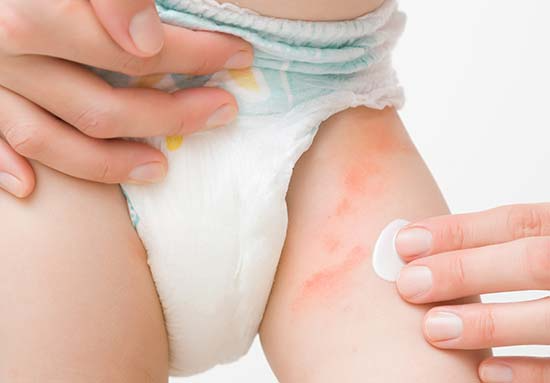
Diaper rash is common in newborns. To prevent it, keep the diaper area clean and dry. Change diapers often and use barrier cream. If a rash appears, clean the area, apply cream, and see a doctor if it’s bad.
- Change diapers every 2-3 hours or as needed
- Use a gentle cleanser during diaper changes
- Apply a diaper cream or ointment
Blowouts and Leaks
Blowouts and leaks can be messy. To avoid them, make sure the diaper fits right. Use diapers that soak up more. Check the diaper often to prevent blowouts.
Nighttime Diapering
Nighttime diapering needs special care. Use diapers made for nighttime. Limit fluids before bed and ensure a good fit to avoid leaks.
Diaper Changes with a Fussy Baby
Some babies get upset during diaper changes. To ease this, keep things calm and have everything ready. Toys or talking can distract them.
Understanding these challenges and using the right solutions can make diapering easier for new parents.
Diaper Organization and Storage
Keeping diapers organized is key to a tidy home for both baby and parents. It’s not just about having enough diapers. It’s also about storing them in a way that makes them easy to find when you need them.
Stockpiling Strategies
Stockpiling diapers can seem overwhelming, but there are ways to make it easier. Here are some tips:
- Buying diapers in bulk saves money and keeps a steady supply.
- Store diapers in a dry, clean spot to avoid damage.
- Think about your baby’s growth and plan for different diaper sizes.
Diaper Inventory Management: A simple inventory table can help you keep track of your diapers.
| Diaper Size | Quantity | Reorder Threshold |
|---|---|---|
| Newborn | 100 | 20 |
| Size 1 | 150 | 30 |
| Size 2 | 0 | 0 |
Creative Storage Solutions
Finding the right place to store diapers can be tough, thanks to limited space. Here are some creative ideas:
- Use under-bed storage for diapers.
- Get a diaper caddy that can move around.
- Install wall-mounted shelves or storage.
By using these strategies, new parents can keep a steady diaper supply and a tidy home.
Conclusion
Knowing what your newborn needs for diapers is key for their comfort and health. The number of diapers a newborn uses daily can change. This depends on how they eat and how different each baby is.
By following the diapering tips in this guide, new parents can feel more confident. Choosing the right diapers and setting up a good changing station are important. Every little detail counts.
As you start with newborn diapering, remember to be patient and flexible. You’ll find a routine that fits you and your baby over time. By staying informed and adjusting to your baby’s needs, you’ll get better at diapering.