Daily Pregnancy Meal Plan for Optimal Baby Growth
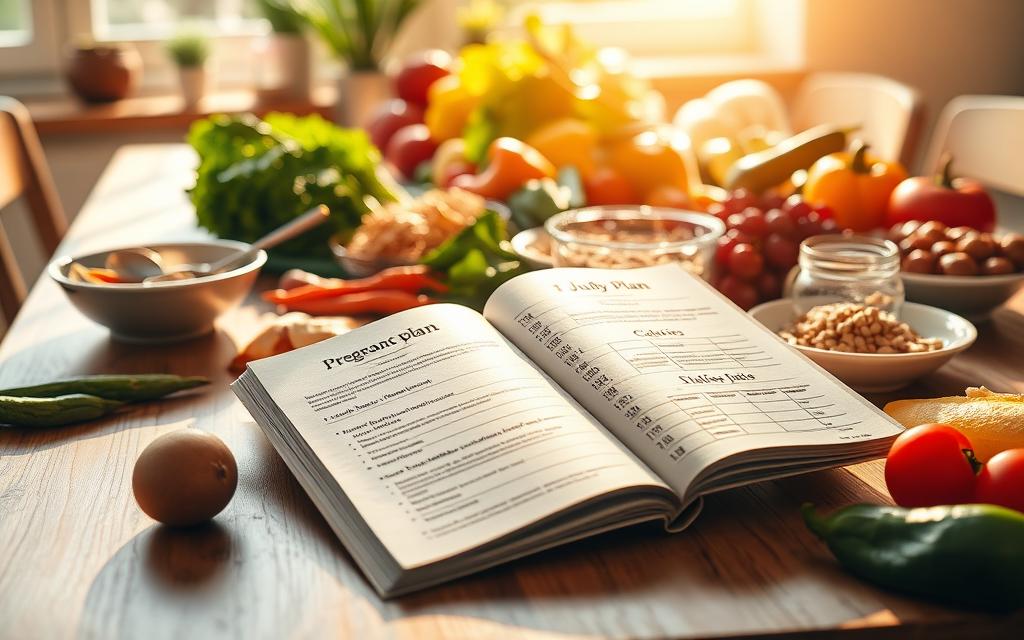
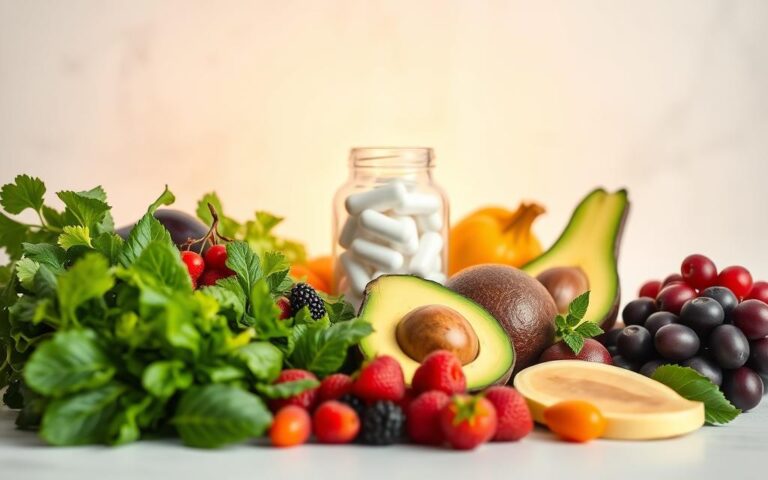
A good pregnancy nutrition plan is key for the baby’s growth. The American College of Obstetricians and Gynecologists say a healthy diet is important. It should have lots of fruits, vegetables, whole grains, lean protein, and healthy fats.
A daily meal plan must fit the individual’s needs. This includes age, pre-pregnancy weight, and how active they are. A good plan should have foods full of folate, iron, calcium, and protein. These nutrients help the mother and the baby.
Key Takeaways
- A healthy pregnancy diet is crucial for the baby’s growth and development.
- A daily meal plan should include a variety of nutrient-rich foods.
- The meal plan should be tailored to the individual’s needs.
- Essential nutrients like folate, iron, calcium, and protein are vital during pregnancy.
- A well-planned pregnancy nutrition plan supports the mother’s health and the baby’s development.
The Importance of Nutrition During Pregnancy
What you eat during pregnancy matters a lot. It affects your baby’s health and growth. Eating right helps both you and your baby stay healthy.
How Your Diet Affects Baby’s Development
Your diet plays a big role in your baby’s growth. It helps with the development of important organs and overall health. Good nutrients are key for a healthy pregnancy.
Caloric Needs During Pregnancy
How many calories you need changes based on your weight and activity level. You’ll need more calories to support your baby’s growth. The Harvard School of Public Health suggests eating whole grains and healthy oils.
Setting Up Healthy Eating Habits
It’s important to eat well during pregnancy. Avoid too much red meat and refined grains, says the Harvard School of Public Health. A balanced diet is good for you and your baby.
| Nutrient | Importance | Food Sources |
|---|---|---|
| Folate | Crucial for preventing birth defects | Leafy greens, legumes |
| Iron | Essential for the mother’s and baby’s health | Red meat, poultry, fortified cereals |
| Calcium | Vital for baby’s bone development | Dairy products, fortified plant-based milk |
Eating a balanced diet and healthy foods is key. It supports your health and your baby’s growth. This sets the stage for a healthy pregnancy and baby.
Essential Nutrients for a Healthy Pregnancy
Pregnancy is a time when the right nutrients are key for the baby’s growth. Eating a balanced diet full of important nutrients helps both mom and baby stay healthy.
Folate and Folic Acid for Neural Tube Development
Folate and folic acid are vital to avoid neural tube defects in the baby. The National Institutes of Health suggest pregnant women get 600-1000 micrograms of folate or folic acid daily. Foods high in folate include leafy greens, legumes, and citrus fruits.
Iron and Preventing Pregnancy Anemia
Iron is crucial for making red blood cells and preventing anemia in pregnant women. Add iron-rich foods like lean meats, beans, and fortified cereals to your diet to help your baby grow.
Calcium for Baby’s Bone Development
Calcium is key for the baby’s bones, teeth, and muscles. Pregnant women need at least 1,000 mg of calcium daily. You can get it from dairy, leafy greens, and fortified foods.
Protein Requirements for Cell Growth
Protein is needed for the baby’s cell growth. Include protein-rich foods like lean meats, fish, eggs, and legumes in your meals for a healthy pregnancy.
Omega-3 Fatty Acids for Brain Development
Omega-3 fatty acids, especially DHA, are good for the baby’s brain and eyes. You can find them in fatty fish, nuts, and seeds. They’re great for nutrient-rich meals during pregnancy.
| Nutrient | Importance | Food Sources |
|---|---|---|
| Folate/Folic Acid | Prevents neural tube defects | Leafy greens, legumes, citrus fruits |
| Iron | Prevents pregnancy anemia | Lean meats, beans, fortified cereals |
| Calcium | Supports bone development | Dairy products, leafy greens, fortified foods |
| Protein | Supports cell growth | Lean meats, fish, eggs, legumes |
| Omega-3 Fatty Acids | Supports brain development | Fatty fish, nuts, seeds |
First Trimester Nutrition Guide
A healthy diet in the first trimester is key for your baby’s growth. It’s important to choose foods wisely to help your baby develop well and ease pregnancy symptoms.
Managing Morning Sickness with Food Choices
Morning sickness is common in the first trimester. The American Pregnancy Association suggests eating bland foods like crackers, toast, and plain rice. Also, avoid strong smells and eat smaller meals to feel better.
Small, Frequent Meals to Maintain Energy
Eating small meals often helps keep your energy up. This method keeps your blood sugar steady and prevents hunger that can make morning sickness worse. Add foods like fruits, nuts, and yogurt to your diet.
Sample First Trimester Daily Menu
Here’s a sample daily menu for the first trimester:
| Meal | Food |
|---|---|
| Breakfast | Oatmeal with banana and honey |
| Mid-Morning Snack | Apple slices with almond butter |
| Lunch | Grilled chicken salad with avocado |
| Mid-Afternoon Snack | Greek yogurt with berries |
| Dinner | Baked salmon with quinoa and steamed vegetables |
Supplements to Consider
Some supplements can help your baby grow. Folic acid is important to prevent birth defects. Always talk to your doctor before taking any supplements to make sure they’re safe and needed.
Second Trimester Meal Planning
As you enter the second trimester, your dietary needs change to support your baby’s rapid growth. It’s essential to plan your meals carefully to ensure you’re getting the necessary nutrients.
Increased Caloric Needs as Baby Grows
During the second trimester, your caloric needs increase to support your baby’s development. The Academy of Nutrition and Dietetics recommends an additional 300-400 calories per day. This increase supports the baby’s growth without causing excessive weight gain.
Managing Cravings Healthfully
Cravings are common during the second trimester. Instead of giving in to unhealthy cravings, try to manage them with nutrient-dense foods. For example, if you’re craving something sweet, reach for fruits like berries or oranges.
Sample Second Trimester Daily Menu
A sample daily menu can help guide your food choices. Here’s an example:
- Breakfast: Oatmeal with fruits and nuts
- Lunch: Grilled chicken salad with mixed greens and whole grain crackers
- Dinner: Baked salmon with quinoa and steamed vegetables
- Snacks: Carrot sticks with hummus and a handful of almonds
Nutrient-Dense Foods to Prioritize
Focus on whole foods like vegetables, fruits, whole grains, lean proteins, and healthy fats. These foods provide essential nutrients for your baby’s growth and your health.
Third Trimester Nutrition Strategy
In the third trimester, a balanced diet is key. It supports the baby’s fast growth and gets the mom ready for breastfeeding. The World Health Organization suggests eating a variety of foods for fetal development.
Eating With Limited Stomach Space
The growing baby can press on the stomach, making big meals hard. Choosing smaller, more frequent meals helps. This way, both mom and baby get the nutrients they need.
Preparing for Lactation Through Diet
Eating foods rich in omega-3 fatty acids, protein, and healthy fats helps the baby’s brain grow. It also gets the mom ready for milk production. Salmon, almonds, and avocados are great choices.
Sample Third Trimester Daily Menu
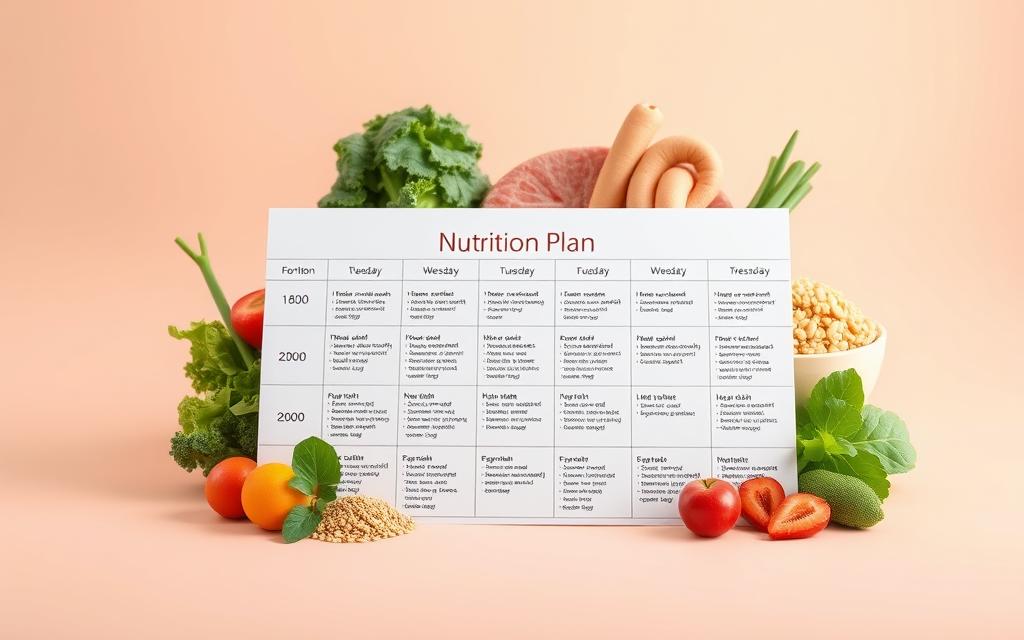
Here’s a daily menu example: oatmeal with fruits and nuts for breakfast, a salad with grilled chicken for lunch. For dinner, try baked salmon with quinoa and veggies. Drinking lots of water is also important.
Managing Heartburn Through Food Choices
Heartburn is common in the third trimester. To avoid it, skip spicy and fatty foods. Instead, go for lean proteins and low-fat dairy to feel better.
“A well-balanced diet during the third trimester not only supports the baby’s growth but also helps the mother prepare for a healthy postpartum period.”
Daily Pregnancy Meal Plan for Optimal Baby Growth
A daily pregnancy meal plan should include a variety of foods. This supports the health of both mother and baby. The United States Department of Agriculture suggests eating fruits, vegetables, whole grains, lean protein, and healthy fats.
Nutrient-Packed Breakfast Options
Starting the day with a nutrient-packed breakfast is key. Try oatmeal with fruits and nuts, scrambled eggs with spinach, or whole-grain toast with avocado. These options give you complex carbohydrates, proteins, and healthy fats.
Balanced Lunch Ideas
For lunch, go for balanced meals. Grilled chicken salads, whole-grain wraps with lean turkey, or quinoa bowls with roasted vegetables are great. They offer protein, healthy fats, and complex carbohydrates.
Protein-Rich Dinner Recipes
Dinner should include protein-rich foods for baby growth. Try grilled salmon with roasted vegetables, lean beef stir-fry with broccoli, or lentil soup with whole-grain bread. These meals are packed with protein and essential vitamins and minerals.
Healthy Snacks for Between Meals
Healthy snacking is key to keep energy up between meals. Snacks can be for morning, afternoon, and evening.
Morning Snack Ideas
For a morning snack, try a piece of fruit with almond butter or trail mix with nuts and dried fruits.
Afternoon Energy Boosters
In the afternoon, a Greek yogurt with honey or a smoothie with spinach, banana, and protein powder can boost energy.
Evening Snacks for Better Sleep
Evening snacks should be light for better sleep. Warm glass of milk or a small bowl of oatmeal with cinnamon are good choices.
By adding these meal and snack ideas to your daily plan, pregnant women can eat a balanced diet. This supports their health and their baby’s growth.
Hydration and Beverages During Pregnancy
Staying hydrated is crucial during pregnancy. It helps both the mother and the baby. Drinking enough water is key for their health and growth.
Daily Water Requirements
The American College of Obstetricians and Gynecologists says pregnant women need lots of water. They suggest drinking 8-10 cups (64-80 ounces) daily. But, needs can change based on how active you are, the weather, and your health.
Healthy Alternatives to Sugary Drinks
Pregnant women can choose better drinks like infused water or unsweetened tea. Seltzer water with a squeeze of fresh fruit is also good. These options cut down on sugar and keep you hydrated.
Herbal Teas Safe for Pregnancy
Some herbal teas are okay during pregnancy and can be beneficial. Peppermint tea can ease nausea, and ginger tea helps with digestion. But, always check with your doctor before drinking any herbal teas.
Signs of Dehydration to Watch For
Dehydration can be dangerous during pregnancy. Look out for dark urine, dizziness, and headaches. Drinking water often can help avoid dehydration.
Foods to Avoid During Pregnancy
Knowing which foods to avoid during pregnancy is crucial for a healthy pregnancy. Some foods can harm the mother and the baby.
High-Mercury Fish and Seafood
The Food and Drug Administration advises pregnant women to stay away from high-mercury fish and seafood. Mercury can damage the baby’s nervous system. Avoid shark, swordfish, and king mackerel as they have high mercury levels.
Unpasteurized Dairy and Juices
Unpasteurized dairy and juices can have harmful bacteria like Listeria and E. coli. These can cause serious infections in pregnant women. They might lead to miscarriage or stillbirth. Always pick pasteurized products.
Undercooked Meats and Food Safety
Undercooked or raw meats can have Salmonella and Campylobacter bacteria. Pregnant women should make sure their meat is cooked well to avoid getting sick.
Caffeine, Alcohol, and Other Restricted Substances
Caffeine and alcohol should be limited or avoided during pregnancy. Too much caffeine can increase the risk of miscarriage. Alcohol can cause fetal alcohol spectrum disorders.
| Food Category | Foods to Avoid | Reason |
|---|---|---|
| Fish and Seafood | Shark, Swordfish, King Mackerel | High Mercury Content |
| Dairy and Juices | Unpasteurized Products | Risk of Listeria and E. coli |
| Meat | Undercooked or Raw Meat | Risk of Salmonella and Campylobacter |
By following these dietary guidelines, pregnant women can lower the risk of pregnancy complications. This supports the best growth for their baby.
Meal Prep Strategies for Busy Moms-to-Be
A good pregnancy nutrition plan can change the game for busy moms-to-be. It keeps them healthy and full of energy during pregnancy. The Academy of Nutrition and Dietetics says planning and cooking meals ahead is key for pregnant women.
Weekend Batch Cooking Basics
Set aside a few hours on the weekend for batch cooking. Make a bunch of dishes that can be stored in the fridge or freezer. Think soups, stews, and casseroles packed with nutrients.
Freezer-Friendly Pregnancy Meals
Make meals that freeze well, like individual portions. Label them so you can find them easily. This way, you always have healthy meals ready, even when you’re super busy.
Quick and Nutritious 15-Minute Options
When time is tight, quick and healthy meals are a must. Whip up omelets, salads, or whole grain sandwiches in under 15 minutes. They’re fast and nutritious.
Healthy Grocery Shopping List
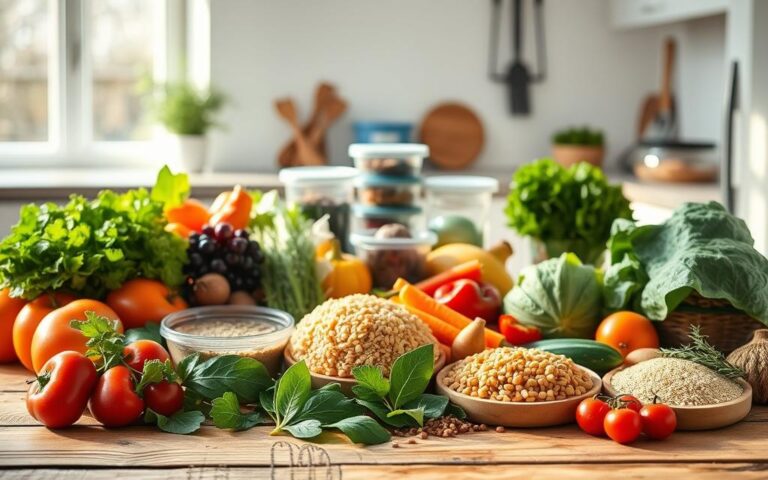
Start with a smart grocery list to make meal prep easier. Include fruits, veggies, whole grains, lean proteins, and healthy fats. This ensures you get a balanced diet.
By using these meal prep tips, busy moms-to-be can keep their diet healthy. This supports their health and their baby’s growth.
Conclusion
A daily pregnancy meal plan is key for a baby’s growth and health. It helps expectant mothers stay healthy and support their baby’s development.
Expectant mothers should eat foods rich in nutrients. This includes leafy greens for folate, lean proteins for iron, and dairy for calcium. Drinking plenty of water is also important.
By eating well and avoiding bad foods, pregnant women can lower health risks. This ensures a healthy start for their baby.
With some planning, expectant mothers can make a meal plan that fits their needs. This supports a healthy pregnancy.