
Conscious Parenting: Teaching Kids About Climate Change Early
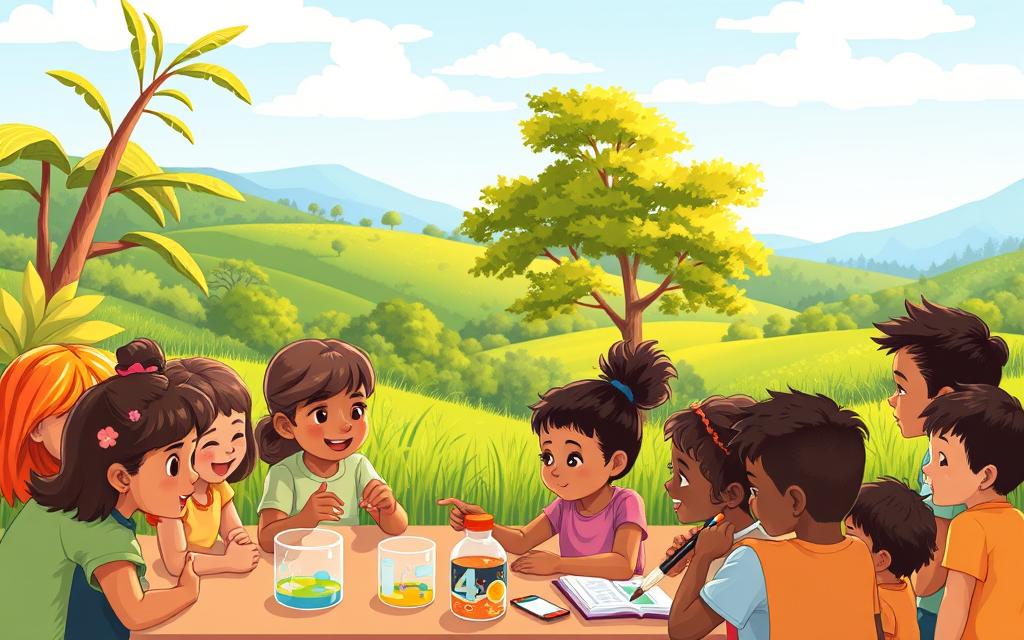
As a parent, you might worry about the world you’re leaving for your kids. The climate crisis can feel overwhelming. But, by teaching kids about the environment, you’re giving them the power to make a difference.
Climate Education for Children is key today. By starting early, you’re teaching your kids to care for the planet.
This article will show you how to teach climate education in a caring way. It fits with the ideas of Conscious Parenting.
Key Takeaways
- Understanding the importance of climate education for kids.
- Approaching climate change discussions in a nurturing way.
- Empowering children to take action against climate change.
- Integrating climate education into daily parenting practices.
- Supporting kids in developing a sense of environmental responsibility.
Why Climate Education Matters for Children
Teaching kids about climate change early helps them face its challenges better. It’s not just about learning facts. It shapes their values and actions towards the environment.
The Impact of Early Environmental Awareness
Learning about the environment early changes how kids see the world. It shows them how our actions affect the planet.
Building Lifelong Environmental Values
Introducing climate topics early builds strong environmental values in kids. They learn about conservation, sustainable living, and how daily choices impact the planet.
Preparing Children for Their Future World
As the climate changes, kids need to be ready for what’s coming. Climate education gives them the knowledge and skills for a sustainable future.
Raising Environmentally Responsible Citizens
Climate education is vital for raising eco-conscious citizens. It teaches more than just climate facts. It inspires kids to take action and be responsible.
From Knowledge to Action
Turning knowledge into action is key in climate education. Kids can make a difference by recycling, reducing waste, and saving energy.
Here are some ways to encourage kids to be environmentally responsible:
- Encourage them to join local environmental projects
- Show them sustainable behaviors at home
- Talk about the environmental effects of their choices
By doing these things, parents can help kids grow into environmentally aware and responsible individuals.
Understanding Climate Change at a Child’s Level
Teaching kids about climate change needs a careful approach. It’s important to make it easy to understand and fun. As a parent, you should break down big ideas into simple parts without losing their meaning.
Simplifying Complex Concepts
One good way to explain climate change is by using simple examples. For example, you can compare the Earth’s atmosphere to a blanket. This helps kids get the idea of the greenhouse effect.
Using Relatable Metaphors and Examples
Using things kids know about can make climate change clearer. For instance, talking about how pollution harms local animals can help them see how it affects their world.
Age-Appropriate Explanations
It’s key to explain climate change in a way that fits a child’s age and understanding. This means not giving too much information at once and adding more as they grow.
Avoiding Overwhelming Information
Start with simple ideas about climate change and add more as kids get older. This way, they can understand more as they mature.
Building Knowledge Progressively
By slowly adding more details about climate change, parents can help kids learn more about it. This builds a strong foundation of understanding over time.
| Age Group | Climate Change Concepts | Teaching Approaches |
|---|---|---|
| 3-5 years | Basic environmental awareness | Storytelling, simple games |
| 6-10 years | Introduction to greenhouse effect | Hands-on activities, visual aids |
| 11-17 years | Detailed climate change impacts | Discussions, projects, real-world examples |
By practicing Sustainable Parenting and Eco-Friendly Parenting, parents can greatly help kids learn about climate change early on.
Conscious Parenting: Teaching Kids About Climate Change Early
As parents, we’re always looking for ways to get our kids ready for the future. Teaching them about climate change is key. We use a conscious parenting style that makes learning about the environment a part of everyday life.
The Philosophy Behind Conscious Climate Education
Conscious climate education focuses on mindful approaches to environmental topics. It helps kids understand how their actions affect the planet.
Mindful Approaches to Environmental Topics
Mindfulness in teaching about climate means being honest and present. It helps kids feel responsible and care for the planet.
Balancing Truth and Hope
Talking about climate change needs a balance. We must be honest about the problems but also give hope for a better tomorrow. This balance helps avoid scaring kids.
Honest Communication Without Fear-Mongering
Parents should tell kids about climate change without too much scary stuff. We focus on what they can do to help.
Emphasizing Solutions and Positive Action
By talking about what we can do to fight climate change, we empower kids. They can help make the future greener.
| Age Group | Approach to Climate Education | Key Activities |
|---|---|---|
| Preschoolers | Simple, positive messaging | Nature walks, planting trees |
| Elementary School Children | Basic climate concepts | Recycling programs, simple science experiments |
| Tweens and Teens | In-depth discussions, action planning | Climate activism, community projects |
Starting the Conversation: Tips for Different Age Groups
Talking about climate change with kids helps them feel responsible for the planet. It’s key to talk in a way that fits their age. This way, they can understand and help.
Preschoolers (Ages 3-5)
For little ones, focus on connecting with nature. Simple outdoor fun can start their love for the environment.
Nature Connection and Basic Concepts
Take your preschooler on a nature walk or plant a garden. These activities teach them about trees, birds, and growing plants. Use simple, clear language to explain what you’re doing.
Elementary School Children (Ages 6-10)
Kids this age can start to see how actions affect the world. It’s a good time to introduce climate change basics.
Introducing Cause and Effect
Explain how our actions, like pollution, harm the environment. Use examples they can understand, like recycling. Encourage them to help by turning off lights or saving water.
Tweens and Teens (Ages 11-17)
Older kids need deeper talks about climate change and its effects. They can also join in on youth activism.
Deeper Discussions and Youth Activism
Have in-depth talks about climate change science and global impacts. Encourage them to explore topics like renewable energy. Support their involvement in climate strikes or local green projects.
By tailoring our talks to their age, we help kids grasp climate change. As climate-conscious families, we can shape a greener future through environmentally conscious parenting.
Nurturing Emotional Resilience Around Climate Issues
Teaching kids about climate change is a delicate task. It’s about balancing awareness with emotional strength. As parents, we must give our children the emotional tools to face climate challenges.
Addressing Climate Anxiety
Climate anxiety is a big worry for kids and teens. It’s key to spot the signs of worry and teach healthy ways to cope.
Recognizing Signs of Worry
Children show worry in many ways, like:
- Changes in sleep or appetite
- Being more irritable or moody
- Always asking about the future
Healthy Coping Strategies
To help kids deal with climate anxiety, parents can:
- Listen to their feelings
- Encourage outdoor play
- Support local green projects
Fostering Hope and Empowerment
Highlighting solutions and progress can boost hope and empowerment in kids. By showing positive actions against climate change, parents inspire their kids to help solve it.
Focusing on Solutions and Progress
Parents can:
- Share stories of green success
- Talk about new climate-fighting tech
- Encourage kids to join in on green projects
By building emotional strength and hope, we help our kids face climate change with confidence and optimism.
Everyday Teaching Moments About Sustainability
As parents, we can teach our kids about sustainability in everyday moments. This helps us raise Climate Conscious Families who care about the planet.
Incorporating Climate Awareness into Daily Routines
Daily routines are full of chances to practice Eco-Friendly Parenting. Simple actions like turning off lights or saving water while brushing teeth teach valuable lessons.
Water and Energy Conservation Habits
Teaching kids to save water and energy is good for the planet and teaches them about resource use. Try a fun challenge to see who can take the shortest shower.
Waste Reduction Practices
Practicing waste reduction, like recycling and composting, helps Parent for a Greener Future. Let your kids help sort recyclables to make it a learning experience.
Modeling Sustainable Behaviors
Children often copy what their parents do. So, it’s key to show them the sustainable habits you want them to adopt.
Walking the Talk as Parents
Showing your kids that you’re committed to sustainability in your daily life is powerful. This means using public transport, carpooling, or driving electric vehicles when you can.

Hands-On Activities to Teach Climate Concepts
Parents can make learning fun by adding practical activities to their child’s education. These hands-on experiences help kids understand complex climate ideas better.
Nature Exploration and Observation
Nature is a great place to learn about climate change. It’s fun and educational for kids to explore and watch their surroundings.
Seasonal Changes Documentation
Keeping track of seasonal changes helps kids see nature’s patterns. They can use a nature journal or calendar to do this.
Local Wildlife Monitoring
Watching local wildlife teaches kids about climate change’s effects on nature. Simple activities like bird watching can be very enlightening.
Home Science Experiments
Doing simple science at home helps kids learn about climate. They can try experiments like the greenhouse effect or water quality tests.
Greenhouse Effect Demonstrations
A simple way to show the greenhouse effect is with a glass jar, thermometer, and light. It helps kids see how gases trap heat.
Pollution and Water Quality Tests
Testing local water for pollution teaches kids about human impact. It shows how our actions affect the environment.
Gardening and Food Growing Projects
Gardening teaches kids about sustainability and local food. It’s a chance to talk about climate-resilient farming.
Composting and Soil Health
Composting teaches kids about reducing waste and soil health. It shows how organic waste can be useful.
These activities help kids understand climate change better. They teach them to care for the environment. This way of Environmentally Conscious Parenting educates and empowers the next generation.
Resources for Climate Education at Home
Teaching kids about climate change is key today. Luckily, many resources help parents with this task.
Age-Appropriate Books and Media
Books and media are great for teaching climate change to kids. They make tough topics easy for young minds to grasp.
Picture Books for Young Children
Picture books are perfect for little ones. They have fun pictures and stories that teach about the environment and climate change.
Chapter Books and Novels for Older Kids
For older kids, chapter books and novels offer deeper looks at environmental issues. They help kids understand more complex topics.
Online Learning Tools and Apps
The internet has lots of tools and apps for learning about climate change. They make learning fun and interactive.
Interactive Climate Education Platforms
These platforms have quizzes, games, and more. They teach climate concepts in a fun way.
Family-Friendly Documentaries
Documentaries are a great way to learn visually. Family-friendly ones about climate change spark important talks and deepen understanding.
Discussion Questions for After Viewing
Having questions ready after watching documentaries helps. They encourage kids to think more about what they’ve learned.
| Resource Type | Age Group | Description |
|---|---|---|
| Picture Books | 3-5 years | Simple stories and illustrations about the environment |
| Chapter Books | 6-10 years | More detailed stories that include environmental themes |
| Online Learning Tools | 6-17 years | Interactive platforms with quizzes and games on climate change |
| Documentaries | 8-17 years | Visual documentaries that explore climate issues |
Engaging with Community Climate Initiatives
Joining local environmental programs helps families understand climate issues better. This hands-on approach teaches children how their actions affect the environment.
Local Environmental Programs for Families
Many communities have environmental programs for families. These programs educate kids about climate change. They also build a sense of community and shared responsibility.
Beach Cleanups and Tree Planting Events
Beach cleanups and tree planting events teach kids about conservation. These activities show how small actions can make a big difference.
Citizen Science Projects
Citizen science projects let families help with environmental research. This sparks curiosity and encourages kids to learn more about science and the environment.
School-Based Climate Education
Supporting environmental education in schools is key. Parents can advocate for strong environmental programs.
Supporting Environmental Curriculum
Parents can work with teachers to add environmental education to the curriculum. This ensures kids get a well-rounded climate education.
Parent Advocacy for Climate Education
Advocating for climate education in schools is powerful. Parents can join or start advocacy groups to push for better environmental curricula.
| Activity | Age Group | Benefits |
|---|---|---|
| Beach Cleanups | 6-12 years | Promotes community service, teaches conservation |
| Citizen Science | 8-16 years | Encourages scientific inquiry, environmental awareness |
| Tree Planting | 4-14 years | Fosters environmental stewardship, community engagement |
Navigating Difficult Climate Conversations
Parents are key in teaching kids about climate change. They start with open talks. As the world faces climate crises, families have tough talks about it.
Addressing Climate Denial
Parents might face climate denial from kids or family. It’s important to be empathetic and understanding.
Respectful Responses to Misinformation
When faced with wrong info, be respectful and calm. Encourage critical thinking. Say, “Let’s check this info together.”
Teaching Critical Thinking Skills
Teaching kids to think critically is essential. Encourage them to question sources and seek evidence. This helps them understand climate issues better.
Discussing Climate Justice
Talking about climate justice is key. Explain how climate change impacts different communities worldwide.
Making Global Impacts Relatable
To make climate change real, use examples kids can relate to. Talk about how it affects local wildlife or communities.
Fostering Empathy for Affected Communities
“The future belongs to those who believe in the beauty of their dreams.” Teach kids to care for communities hit by climate change. Support climate justice to teach empathy.
As Climate Conscious Families tackle these tough talks, they shape their kids’ climate views. They also help create a greener future through Sustainable Parenting. With Conscious Parenting, they guide their kids to face climate challenges.
Creating Family Climate Action Plans
A family climate action plan is a great way to make climate awareness real. By setting clear goals and getting everyone involved, you build unity and purpose. This helps in your journey towards sustainability.
Setting Achievable Sustainability Goals
First, pick short-term and long-term objectives that you can really do. This could be using less energy, throwing away less trash, or taking public transport.
Short-term and Long-term Objectives
Short-term goals might be things like using energy-saving light bulbs or using less water. Long-term goals could be bigger, like getting solar panels or an electric car.
Involving Children in Decision Making
It’s key to let kids help decide what to do. This makes them feel responsible and like they own the goals. Let them help set goals and find ways to reach them.
Tracking and Celebrating Progress
After setting your goals, it’s important to keep track of how you’re doing. Use visual charts and reward systems to keep everyone motivated.
Visual Charts and Reward Systems
Make a chart or graph to see your progress. You can also give rewards for reaching milestones, like cutting your carbon footprint by a certain amount.
Reflecting on Impact and Learning
Always think about how your actions are affecting the planet. Be open to learning and changing your plans as needed. This keeps you moving forward and helps you reach your climate goals.
Conclusion: Raising Climate-Conscious Children for a Sustainable Future
Raising kids who care about the climate is key for a better future. Families can learn about the environment together. This helps kids grow up to be eco-friendly.
Teaching kids about taking care of the planet is important. Parents can start early and be consistent. This helps kids learn to live sustainably.
Teaching kids about the environment is more than just learning. It’s about giving them the power to make a difference. Together, we can make the world a greener place for future generations.
By following the tips in this article, parents can raise kids who care about the planet. This effort can make a big difference. It ensures a greener future for everyone.