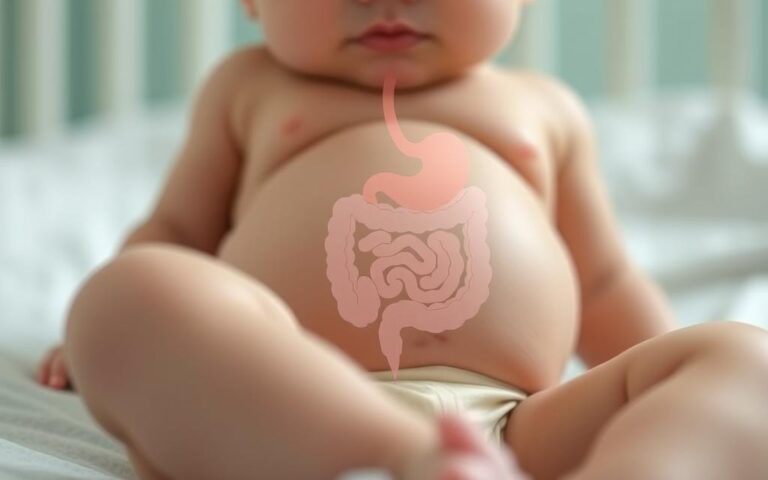
Common Newborn Health Problems and How to Handle Them

Welcoming a newborn is a joyous moment, but it comes with big responsibilities. Keeping the baby’s health top priority is key. New parents often fret about the common health issues newborns can face.
Knowing about newborn care is vital for spotting health problems early. Simple steps like regular check-ups, right feeding, and keeping clean can lower risks. Also, learning newborn health tips helps parents give their best care.
Key Takeaways
- Regular check-ups are key for watching over newborn health.
- Right feeding methods can stop many health problems.
- Keeping things clean is vital for newborn care.
- Knowing newborn health tips can stop big issues.
- New parents should know about common newborn health problems.
Navigating the First Weeks of Newborn Health
Starting this journey with your newborn is exciting. But, knowing about their health is key. The first weeks are important for spotting any health issues early.
Normal Newborn Behaviors vs. Warning Signs
Newborns can do things that worry new parents. Normal behaviors include lots of crying, sleep that’s not regular, and losing weight at first. But, it’s important to know the difference between these and warning signs. Signs like trouble breathing, not wanting to eat, or throwing up a lot are red flags.
Building Your Pediatric Care Team
It’s important to find a good pediatrician. Your pediatric care team will help you through the newborn stage. They’ll give advice on infant health issues and answer any questions. Regular visits are key to watching your baby grow and catch any health problems early.
Essential Supplies for Newborn Health
Having the right supplies is a big help for your newborn’s health. You’ll need a thermometer, diapers, a baby monitor, and comfy clothes. These items will help you meet your baby’s needs and keep them healthy.
Jaundice: Understanding the Yellow Tint
Seeing a yellow tint on your newborn’s skin can be scary. But, it’s often a sign of jaundice, a common condition. Jaundice makes the skin and eyes look yellow because of too much bilirubin. This is a pigment from breaking down red blood cells.
What Causes Newborn Jaundice
Newborn jaundice usually shows up in the first few days. It happens when the liver can’t get rid of bilirubin fast enough. This can be because it’s just a normal part of being a newborn, or it can be caused by other things like blood type issues or infections.
Home Monitoring and Medical Treatments
Parents can watch for jaundice at home by looking at their baby’s skin in natural light. Doctors might do tests to see how bad it is. Treatments can include light therapy to break down bilirubin, or other medical steps if it’s really bad.
When Jaundice Requires Immediate Attention
Jaundice is usually okay, but sometimes it needs quick medical help. If it’s very bad or if your baby has a fever or can’t eat well, get help right away. High bilirubin levels can cause serious brain damage if not treated.
It’s key for new parents to understand jaundice and when to act. Knowing what to look for and when to get help is important for your baby’s health.
Colic and Excessive Crying: Finding Relief
Colic and excessive crying can be tough for babies and parents. But, there are ways to soothe your little one. Many newborns get colic, leading to long crying spells. Knowing the causes and how to manage them is key for your baby’s comfort and your peace of mind.
Identifying Colic vs. Other Causes of Crying
It’s important to tell colic apart from other crying reasons. Colic is when a baby cries for more than three hours a day, more than three days a week. Hunger, tiredness, or discomfort from gas or reflux can also cause crying. First, make sure your baby’s basic needs are met to address the crying.
Proven Soothing Techniques for Colicky Babies
There are several ways to soothe a colicky baby. The “5 S’s”: swaddling, shushing, side/stomach position, shaking (gentle motion), and sucking are very effective. A warm bath or a car ride can also calm them. It’s about finding what works best for your child.
“The key to soothing a colicky baby often lies in trial and error, as what works for one may not work for another.”
Supporting Parents Through the Colic Phase
Dealing with a colicky baby can be emotionally draining for parents. It’s vital to seek support from family, friends, or support groups. Taking turns with your partner to care for the baby can also help prevent burnout. Remember, while colic is tough, it’s a phase that will pass.
By understanding colic, using effective soothing techniques, and seeking support, you can get through this challenging time with more confidence and less stress.
Diaper Rash: Prevention and Treatment Strategies
Knowing about diaper rash is key for caring for newborns. It’s a common issue that can make babies uncomfortable. Parents need to know the causes, how to treat it, and how to prevent it to keep their baby happy.
Causes and Types
Diaper rash happens for many reasons. It can be from being in urine and feces too long, or from diapers rubbing against the skin. It can also be from being allergic to certain things. There are two main types: irritant contact dermatitis and candidiasis, a yeast infection.
Treatment Methods
To treat diaper rash, keep the area clean and dry. Use creams or ointments, and sometimes antifungal treatments for yeast. Zinc oxide creams are good because they protect and soothe.
| Product Type | Key Ingredients | Benefits |
|---|---|---|
| Barrier Creams | Zinc Oxide | Protects skin, soothes irritation |
| Antifungal Creams | Clotrimazole | Treats yeast infections |
Preventive Diaper-Change Routine
Having a routine for changing diapers helps prevent rash. Change diapers often, clean gently with warm water, and use barrier cream. Make sure the diaper isn’t too tight and give the baby time without a diaper.
By understanding the causes, treating it right, and following a preventive routine, parents can keep diaper rash away. This ensures their newborn stays comfortable and healthy.
Feeding Difficulties and Reflux Management
Feeding problems and reflux can be tough for babies and parents. It’s important to know the signs and how to manage them well.
Signs of Feeding Problems in Breastfed and Formula-Fed Babies
Feeding issues show up in different ways for breastfed and formula-fed babies. They might get upset during feeding, refuse to eat, or seem uncomfortable after. Breastfed babies might have trouble latching or get confused about how to use a nipple. Formula-fed babies could face problems with the formula or how it’s made.
Techniques for Managing Infant Reflux
Handling infant reflux needs changes in how you feed and your lifestyle. Try feeding smaller, more often, and keep the baby upright after meals. Also, avoid tight clothes that can press on the belly. For formula-fed babies, switching formulas might help. Breastfed babies’ moms might need to avoid certain foods.
When Feeding Issues Require Medical Intervention
Some feeding problems need a doctor’s help. Look for signs like constant vomiting, not wanting to eat, not gaining weight, or dehydration. If you see these, it’s time to talk to a pediatrician. They can find out what’s wrong and help fix it.
Knowing the signs of feeding troubles and using good management can help your baby feel better. It makes feeding time healthier for everyone.
Common Newborn Health Problems and How to Handle Them
It’s important to know about common health issues in newborns. They face many health problems because their immune systems are not fully developed. They also have to get used to the outside world.
Respiratory Concerns: Congestion, Sneezing, and Hiccups
Newborns often have trouble breathing, like congestion, sneezing, and hiccups. These problems are usually short-term and happen as they adjust to the world outside. Using a humidifier can help with congestion. Gently tapping on the back can help with hiccups.
If your baby seems uncomfortable or has trouble breathing, see a doctor right away.

Skin Conditions: Baby Acne, Eczema, and Cradle Cap
Newborns often get skin problems like baby acne, eczema, and cradle cap. Baby acne is from hormones passed from mom. Eczema and cradle cap are about skin sensitivity and oil.
Keeping the skin clean and moisturized helps. Sometimes, doctors suggest special shampoos or creams.
Digestive Issues: Constipation, Gas, and Diarrhea
Newborns can have tummy troubles like constipation, gas, and diarrhea. Making sure they eat right, whether breastfed or formula-fed, helps. For breastfed babies, changing what mom eats can help with gas or constipation.
For formula-fed babies, talking to a doctor about the right formula is key. If your baby has diarrhea or constipation, get medical help to avoid dehydration.
Dr. Jane Smith, a pediatrician, says, “Most newborn health issues can be handled with the right care. If you’re unsure, always talk to your doctor.”
“The key to managing newborn health issues is vigilance and prompt action when concerns arise.”
Fever in Newborns: When to Worry
As a new parent, seeing your newborn with a fever can be scary. But knowing when to worry is important. Fever in newborns might mean they have an infection. Learning how to handle it is key to keeping your baby healthy.
Taking Your Baby’s Temperature Correctly
Getting your baby’s temperature right is the first step. For newborns, use a digital thermometer under the arm or rectally. These methods are the most accurate. Always follow the manufacturer’s instructions for the thermometer to get a correct reading.
Fever Emergency Guidelines for Infants Under 3 Months
If your newborn is under 3 months and has a fever, it’s a medical emergency. Infants this young are more at risk for serious infections. A fever could mean they need urgent medical care. If your baby is less than 3 months old and has a rectal temperature of 100.4°F (38°C) or higher, seek medical care right away.
Home Care for Low-Grade Fevers (When Appropriate)
For newborns over 3 months, a low-grade fever might be managed at home. Make sure your baby is comfortable and well-hydrated. Keep their room cool, and use light clothing to help keep their body temperature in check. But always check with your pediatrician before giving any medication, like acetaminophen. Follow their advice on when to see a doctor again.
Umbilical Cord Care and Healing Complications
Proper umbilical cord care is key for newborn health. It helps prevent infections and aids in healing. The umbilical cord stump usually falls off in 1-3 weeks after birth.
Normal Healing Process and Timeline
The healing stages include several steps. First, the stump might look moist or bloody. Then, it dries, turns black, and falls off.
| Day | Healing Stage |
|---|---|
| 1-3 | Moist or bloody stump |
| 4-7 | Drying and shrinking |
| 7-21 | Stump falls off |
Recognizing and Addressing Umbilical Infections
Watch for signs of infection like redness, swelling, or discharge. If you see these, talk to your pediatrician right away.
Bathing and Dressing Around the Umbilical Stump
Keep the area clean and dry. Don’t soak the stump in water until it falls off. Wear loose clothes to help air circulate.
Newborn Sleep Challenges and Solutions
Dealing with newborn sleep can be tough. But, with the right help, parents can teach their baby good sleep habits. Newborns sleep patterns are not always easy to predict. This can stress out new parents a lot.
Establishing Healthy Sleep Foundations
It’s important to make a sleep-friendly environment. The room should be dark, quiet, and just the right temperature. Consistency is key in setting up a bedtime routine.
- Maintain a calm environment
- Establish a bedtime routine
- Watch for sleepy cues
Managing Day/Night Confusion
Newborns sometimes get their days and nights mixed up. To fix this, keep the nursery bright during the day. At night, make it dimly lit. This helps the baby tell day from night.
Safe Sleep Practices to Prevent SIDS
Safe sleep practices are key to lower SIDS risk. Place the baby on their back to sleep. Use a firm mattress. And, keep the crib clear of soft bedding and toys.
By following these tips, parents can help their newborn sleep better. This also lowers the risk of sleep-related problems.
Oral and Nasal Health Concerns
Keeping your newborn’s mouth and nose healthy is key for their well-being. Newborns can face many health issues in these areas. These problems can make them uncomfortable and even lead to serious issues if not treated right.
Identifying and Treating Oral Thrush
Oral thrush is a common problem in newborns. It shows as white patches on the tongue and inside the mouth. This is due to a fungal infection and can be treated with antifungal meds.
To spot oral thrush, look for:
- White patches that don’t come off easily
- Redness or soreness in the mouth
- Fussiness or not wanting to eat
If you think your newborn has oral thrush, talk to your pediatrician. They can diagnose and treat it correctly.
Managing Nasal Congestion Safely
Nasal congestion is also common in newborns. It can be due to dry air or too much mucus. To safely handle nasal congestion:
- Use a humidifier to keep the air in your home comfortable.
- Try saline drops to loosen mucus, then gently suck it out with a nasal aspirator.
Always use clean tools and follow good hygiene to prevent infections.
Proper Oral Care for Newborns
Proper oral care for newborns means gently wiping their gums and tongue with a soft cloth after feeding. When their teeth start coming in, you can use a soft-bristled toothbrush with a tiny bit of toothpaste.
Creating a Healthy Home Environment
Creating a healthy home is key for new parents to ensure their baby’s well-being. A clean home can greatly lower the chance of health problems in newborns.
Temperature and Humidity Control
Keeping the home’s temperature and humidity just right is important. The best room temperature for babies is between 68°F to 72°F (20°C to 22°C). Humidity should be between 30% to 50% to avoid dry air. Dry air can make the baby’s skin and breathing system uncomfortable.
Minimizing Germ Exposure in the First Months
Newborns are very open to getting sick because their immune systems are not fully developed. It’s important to keep germs away. Washing hands often, and making sure visitors do the same before touching the baby, is a must.
Air Quality Considerations for Newborns
Good air quality is essential for a baby’s health. Stay away from strong chemicals and tobacco smoke. Also, make sure there’s enough air moving around. Using an air purifier can help clean the air of harmful particles.
| Aspect | Ideal Condition | Tips for Maintenance |
|---|---|---|
| Temperature | 68°F – 72°F (20°C – 22°C) | Use a thermometer to monitor temperature |
| Humidity | 30% – 50% | Use a humidifier or dehumidifier as needed |
| Air Quality | Minimize pollutants | Avoid strong chemicals, use an air purifier |
Conclusion: Growing Confident in Your Newborn Care Skills
Caring for a newborn is both challenging and rewarding. You’ve learned it’s key to be ready for common health issues. This helps build your confidence as a parent.
Understanding normal newborn behaviors and knowing how to spot warning signs is important. It also helps you tackle common health problems. This way, you’re on the right path to giving your baby the best care.
A good baby health guide is a must-have for new parents. It helps you make smart choices, from dealing with jaundice and colic to avoiding diaper rash and feeding issues. Remember, it’s okay to ask for help and trust your instincts during the first few weeks.
As you get more experience, you’ll feel more confident in caring for your newborn. Keep learning and don’t be afraid to ask your pediatric care team for help. This way, you’ll ensure your baby gets a great start in life, setting them up for happiness and health.