Can You Drink Protein Shakes While Pregnant?
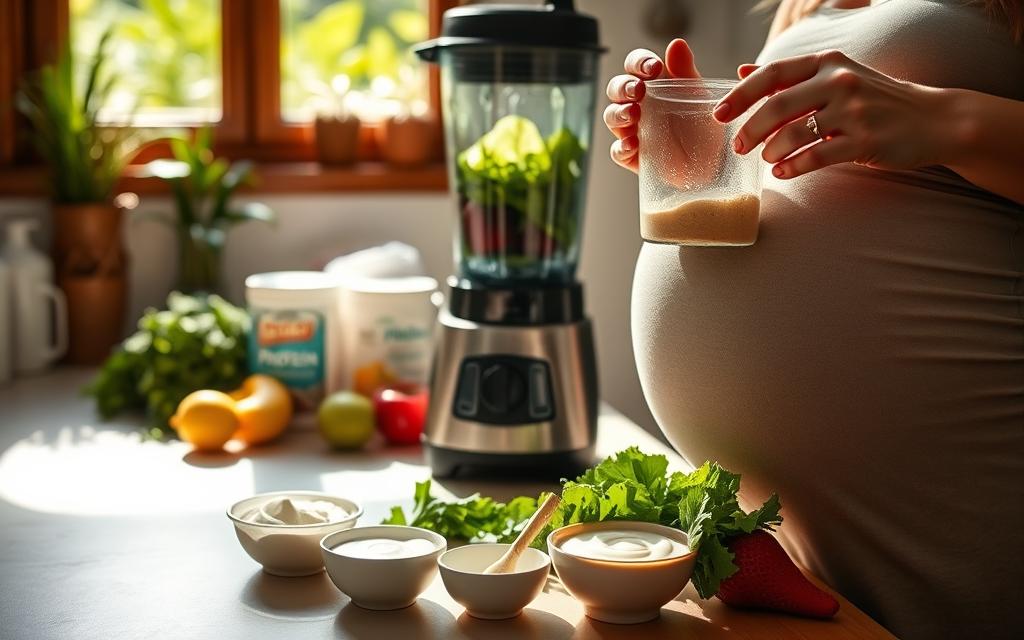
Expecting mothers often wonder if it’s safe to drink protein shakes during pregnancy. Protein is key for a healthy pregnancy. It helps the fetus grow and keeps the mother healthy.
Protein shakes can be a good way to get enough protein. But, their safety and how well they work depend on the protein and ingredients. It’s important to pick safe protein shakes made for pregnant women.
Key Takeaways
- Protein is vital for a healthy pregnancy.
- Not all protein shakes are safe for expecting mothers.
- Choose protein shakes specifically designed for pregnant women.
- Always check the ingredients and type of protein used.
- Consult a healthcare provider before adding protein shakes to your diet.
The Importance of Protein During Pregnancy
Protein is key during pregnancy, helping both the mom and the baby. It’s needed for the baby’s growth and for the mom’s health. Protein helps make important parts of the fetus.
How Protein Supports Fetal Development
Protein is vital for the baby’s brain, bones, and muscles. It also helps make hormones and chemicals for growth. Adequate protein intake ensures the fetus receives the necessary building blocks for optimal development.
Recommended Protein Intake for Pregnant Women
Pregnant women need 70-100 grams of protein daily, based on their weight and pregnancy stage. The exact amount may vary. It’s best to talk to a healthcare provider to find out the right amount. Protein shakes can be a good way to get enough protein.
| Stage of Pregnancy | Recommended Daily Protein Intake |
|---|---|
| First Trimester | 60-70 grams |
| Second Trimester | 70-80 grams |
| Third Trimester | 80-100 grams |
Signs of Protein Deficiency During Pregnancy
Not getting enough protein can cause problems like fatigue and muscle weakness. Expectant mothers should be aware of these signs and consult their healthcare provider if they experience any symptoms. A study found that protein deficiency can lead to low birth weight and other issues for the baby.
It’s crucial to get enough protein for a healthy pregnancy. Protein shakes can help, but make sure they are safe and don’t have harmful additives.
Can You Drink Protein Shakes While Pregnant?
Protein shakes can be a quick way to get more nutrients. But, it’s important to think about their safety during pregnancy. They can help meet the extra protein needs of pregnancy. Yet, there are things to consider before adding them to your diet.
General Safety Considerations
There are several things to think about when it comes to protein shakes and pregnancy. The type of protein, extra ingredients, and how they’re made are all important. Pregnant women should watch out for protein shakes with unnecessary additives or artificial sweeteners.
- Choose protein shakes with minimal, natural ingredients.
- Be aware of the protein source (e.g., whey, pea, rice).
- Consider the risk of contamination or adulteration.
What Medical Experts Say
Medical experts say protein shakes can be safe during pregnancy if picked carefully. Dr. Jane Smith, a leading obstetrician, recommends talking to your healthcare provider before adding supplements to your diet. They stress the need for a balanced diet and warn against relying too much on supplements.
FDA Regulations on Protein Supplements
The FDA watches over dietary supplements, including protein powders, under the Dietary Supplement Health and Education Act (DSHEA). Even though the FDA makes sure these products are safe and labeled right, pregnant women should still be careful. Look for products that follow FDA rules and are made by trusted companies.
Benefits of Protein Shakes During Pregnancy
Expectant mothers can greatly benefit from incorporating protein shakes into their nutritional regimen. Protein shakes offer a range of advantages that can support a healthy pregnancy.
Convenience for Meeting Nutritional Needs
Protein shakes provide a convenient way for pregnant women to meet their increased nutritional needs. They are particularly useful for busy expectant mothers who may struggle to consume enough protein through whole foods alone.
Managing Morning Sickness and Appetite Issues
Morning sickness and appetite changes are common during pregnancy. Protein shakes can be an effective way to maintain nutrition when solid foods are unappealing. They are easy to consume and can be made more palatable with various flavors.
Supporting Increased Protein Requirements
Pregnancy increases the body’s demand for protein. Protein shakes can help bridge the gap between the usual intake and the higher requirements during this period, supporting fetal development and maternal health.
Potential Energy Boost for Fatigued Mothers
Fatigue is a common symptom during pregnancy. Protein shakes can provide a much-needed energy boost, helping expectant mothers to stay active and manage their daily responsibilities more effectively.
Potential Risks and Concerns
Protein shakes can be a quick way to get more protein when you’re pregnant. But, there are some risks to think about. It’s important for expecting moms to know these risks to make good choices about what they eat.
Additives and Artificial Ingredients
Some protein shakes have additives and artificial stuff that might not be good for pregnant women. These can include sweeteners, flavors, and chemicals that could harm the baby. It’s best to pick protein shakes with natural ingredients and less processing.
Heavy Metal Contamination Risks
Protein powders might have heavy metals like lead, mercury, and arsenic. These can build up in the body and might hurt the mom and the baby. Pregnant women should choose protein shakes from companies that test for heavy metals.
Excessive Protein Consumption
Eating too much protein can be hard on the kidneys and liver, which work harder during pregnancy. Too much protein can also mess up the balance of nutrients in your diet.
Impact on Blood Sugar Levels
Some protein shakes can change blood sugar levels, especially if they have added sugars or certain proteins. Pregnant women, especially those with gestational diabetes, should watch their blood sugar closely when drinking protein shakes.
Types of Protein Powders Safe for Pregnancy
Protein powder is a popular choice for pregnant women. But, it’s important to pick the right type for a healthy pregnancy.
Pregnant women have many protein powder options. These include whey, plant-based, collagen, and organic types. Each has its own benefits and things to consider.
Whey Protein During Pregnancy
Whey protein is a complete protein, with all essential amino acids for fetal growth. It’s quickly absorbed by the body, great for post-workout or when you need a quick protein boost.
Benefits: It’s high in branched-chain amino acids (BCAAs), which supports muscle health.
Consideration: If you’re sensitive to lactose, choose whey protein that’s low in it.
Plant-Based Protein Options
Plant-based proteins are perfect for pregnant women on a vegetarian or vegan diet. Sources include pea, hemp, and brown rice proteins.
- Pea protein is rich in iron and BCAAs.
- Hemp protein provides omega-3 fatty acids.
- Brown rice protein is hypoallergenic and easy to digest.
Collagen and Other Protein Supplements
Collagen supplements are popular for their benefits to skin, hair, and joints. During pregnancy, they may help with skin elasticity and joint pain.
Potential Benefits: They may improve skin and joint health.
Caution: There’s limited research on collagen during pregnancy. Always consult a healthcare provider.
Organic vs. Conventional Protein Powders
Organic protein powders are made without synthetic pesticides or fertilizers. This may reduce exposure to harmful chemicals.
| Feature | Organic Protein Powders | Conventional Protein Powders |
|---|---|---|
| Pesticide Use | No synthetic pesticides | May contain synthetic pesticides |
| Fertilizers | No synthetic fertilizers | May contain synthetic fertilizers |
| Cost | Generally more expensive | Variable, often less expensive |
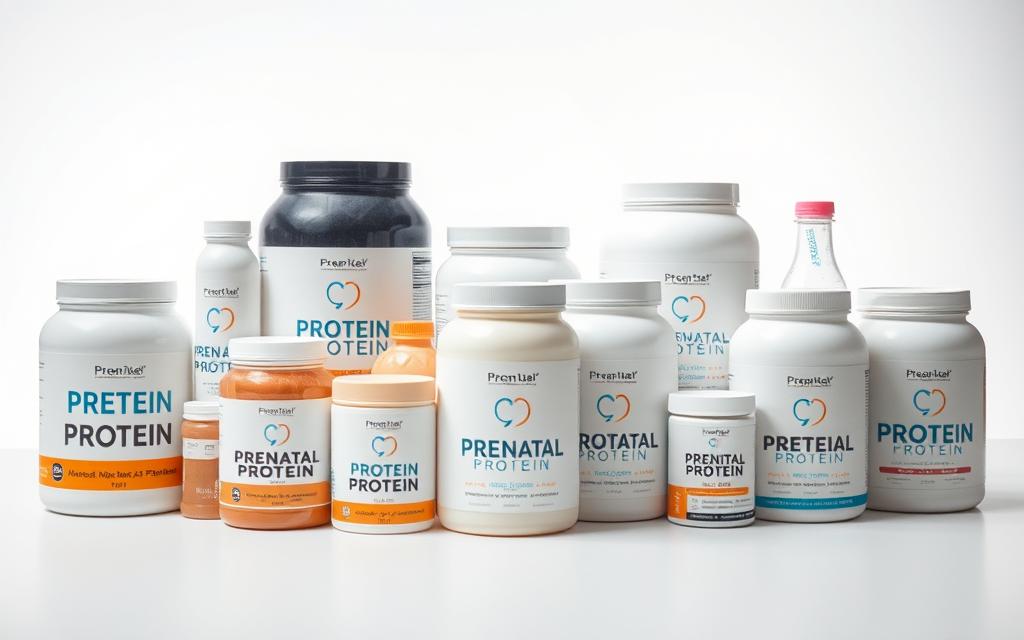
When picking a protein powder during pregnancy, think about the type, ingredients, and how it’s made. This ensures you get a safe and beneficial product.
Trimester-Specific Considerations
As pregnancy moves through its three trimesters, our nutritional needs change. It’s important to know the specific guidelines for protein shakes in each trimester. Protein shakes can be a great help, but we need to understand what each trimester needs.
Managing Morning Sickness in the First Trimester
In the first trimester, morning sickness can make it hard to get enough protein from food. Protein shakes can be a good alternative, giving us the amino acids we need. Shakes with ginger or other anti-nausea ingredients can also help with morning sickness.
Supporting Rapid Growth in the Second Trimester
The second trimester is when the baby grows fast. More protein is needed to help the baby’s body grow and develop. Protein shakes can fill any nutritional gaps, making sure we get enough protein. Shakes with branched-chain amino acids (BCAAs) are especially good.
Preparing for Labor and Delivery in the Third Trimester
In the third trimester, protein shakes help get ready for labor and delivery. They support the uterus and prepare our muscles for labor. They also give us a quick energy boost when we’re tired. Choosing a shake with electrolytes helps keep us hydrated.
| Trimester | Nutritional Needs | Protein Shake Benefits |
|---|---|---|
| First | Managing morning sickness | Convenient protein source, alleviates nausea |
| Second | Supporting rapid fetal growth | Meets increased protein demands, supports fetal development |
| Third | Preparing for labor and delivery | Supports uterine health, provides energy |
Ingredients to Look For and Avoid
It’s important to know what’s in your protein shakes when you’re pregnant. You should check the ingredients for both good and bad stuff.
Beneficial Ingredients for Pregnancy
Some ingredients in protein shakes are good for pregnant women. Folic acid is key for the baby’s growth. Iron is important for the health of both mom and baby. And calcium helps with bone health.
- Folic acid: crucial for preventing birth defects of the baby’s brain and spine
- Iron: essential for the production of red blood cells
- Calcium: vital for bone development
Ingredients to Strictly Avoid
Some ingredients in protein shakes can be bad for pregnant women. Avoid shakes with high levels of caffeine. Also, steer clear of St. John’s Wort or ginger in big amounts. And watch out for artificial sweeteners or flavorings. It’s best to limit or avoid shakes with excessive sugar.
- High levels of caffeine: can increase heart rate and blood pressure
- Certain herbs: may cause uterine contractions or interact with medications
- Artificial sweeteners and flavorings: potential health risks
Reading Protein Shake Labels
Always read the labels on protein shakes carefully. Look for third-party testing and certifications. These can show the product’s quality and safety.
Third-Party Testing and Certifications
Third-party testing and certifications, like NSF International or the International Society for Sports Nutrition, are a good sign. They check for quality, purity, and safety.
| Certification | Description | Benefits |
|---|---|---|
| NSF International | Tests for quality and purity | Ensures product safety and quality |
| International Society for Sports Nutrition | Certifies products for safety and efficacy | Provides assurance of product effectiveness |
How to Incorporate Protein Shakes Into Your Pregnancy Diet
Adding protein shakes to your diet can support your health and your baby’s growth. They are a convenient way to get enough protein, which is key during pregnancy.
Timing and Frequency
Drink protein shakes when you need a nutritional boost. A morning shake can help with morning sickness. Post-workout shakes help with recovery. Stick to 1-2 shakes a day to avoid too much protein.
Balancing Shakes With Whole Foods
While protein shakes are good, don’t forget whole foods. Eat a variety of protein-rich foods like lean meats, fish, eggs, dairy, and legumes.
Healthy Pregnancy Protein Shake Recipes
Here are some healthy protein shake recipes for pregnancy:
Berry Blast Prenatal Shake
Make a shake with 1 scoop of protein powder, 1/2 cup frozen mixed berries, 1/2 cup unsweetened almond milk, and 1 tablespoon chia seeds. It’s packed with nutrients.
Green Goodness Protein Smoothie
Blend 1 scoop of protein powder, 1 cup spinach, 1/2 cup unsweetened coconut water, and 1/2 cup sliced avocado. It’s refreshing and healthy.
Chocolate Peanut Butter Banana Shake
Mix 1 scoop of protein powder, 1 ripe banana, 2 tablespoons natural peanut butter, and 1 cup unsweetened almond milk. It’s delicious and filling.
Storing and Preparing Protein Shakes Safely
Keep protein powder in a cool, dry place. Use clean equipment to make shakes. Always check expiration dates and follow the maker’s prep instructions.
Alternatives to Protein Shakes During Pregnancy
Pregnant women don’t need protein shakes to get enough protein. There are many whole foods and snacks that can help. These foods are great for a healthy pregnancy.
Whole Food Protein Sources
Whole foods are a great way to get protein. Lean meats like chicken and turkey, fish like salmon, and eggs are full of protein. Also, legumes like beans and lentils, and dairy products like milk and yogurt are rich in protein.
Eating these foods every day can help meet protein needs.
Protein-Rich Snacks for On-the-Go
For busy pregnant women, protein-rich snacks are a big help. Nuts and seeds like almonds and chia seeds are full of protein and healthy fats. Greek yogurt with honey and fresh fruits is a quick and healthy snack.
These snacks are easy to make and can be taken anywhere.
Homemade Protein-Packed Smoothies Without Powder
Pregnant women can make protein-packed smoothies without protein powder. Mix Greek yogurt with milk, add some spinach or kale for extra nutrients, and include fresh or frozen fruits. This makes a tasty and healthy smoothie.
These smoothies are not only full of protein but also vitamins and minerals.
Conclusion
Pregnant women can safely drink protein shakes if they pick healthy options. It’s key to follow guidelines for protein shakes during pregnancy.
Protein shakes can help meet nutritional needs and manage morning sickness. They also support fetal growth. But, it’s important to choose protein powders without additives or heavy metals.
To stay healthy, balance protein shakes with whole foods. Choose organic or conventional protein powders wisely. And, watch out for too much protein.
By being informed and careful, pregnant women can enjoy the benefits of protein shakes. This supports their health and their baby’s growth. Always talk to a healthcare provider before adding supplements to your diet.