
Breastfeeding vs. Formula: Deciding What’s Best for Your Baby
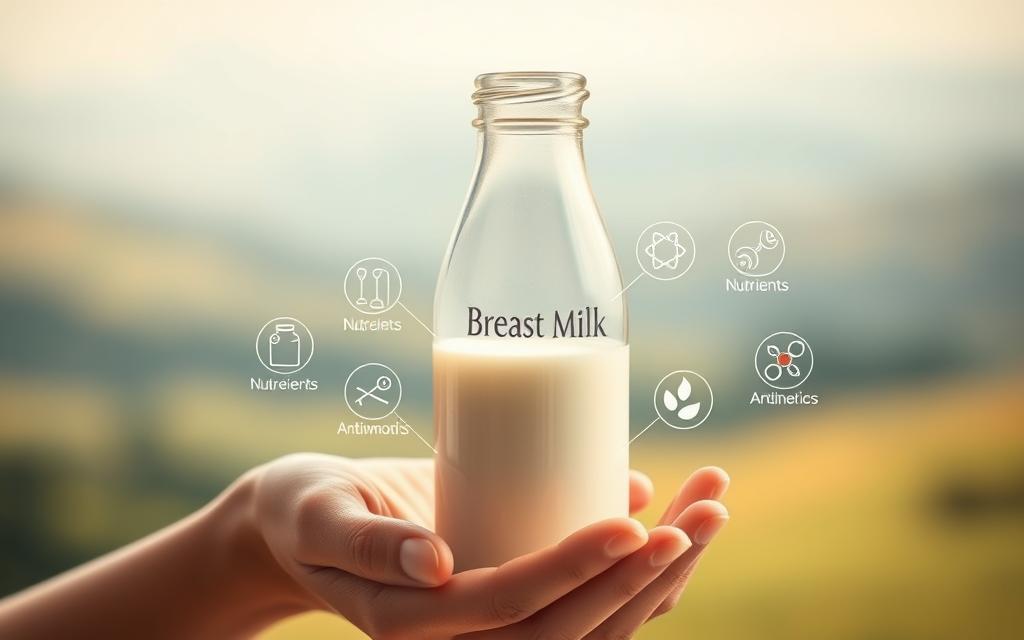
Choosing how to feed your newborn is a big decision. It can be both exciting and overwhelming. You want to pick the best option for your baby’s best start in life.
There are many newborn feeding options
are tough choices. But, learning about the best feeding practices can guide you.
When making this choice, think about your lifestyle, health, and what you prefer. Knowing the differences between breastfeeding and formula feeding helps you make a choice that fits your needs.
Key Takeaways
- Understanding the benefits and challenges of breastfeeding and formula feeding is key.
- Think about your lifestyle, health, and what you prefer.
- Learning about the best feeding practices helps you make a good choice.
- Newborn feeding options include breastfeeding, formula feeding, and both together.
- It’s important to talk to a healthcare professional to find the best feeding option for your baby.
Understanding Your Infant Feeding Options
Exploring infant nutrition means looking at the different ways to feed your baby. As a parent, choosing how to feed your baby is a big decision. It’s important to think about many factors that can affect this choice.
The Importance of Informed Feeding Decisions
Deciding how to feed your baby is key for their health and yours. This choice affects both now and in the future.
Short-term and Long-term Considerations
Choosing between breastfeeding and formula affects your baby’s stomach and your recovery. It also impacts your baby’s immune system and your health later on.
Balancing Ideals with Reality
It’s important to balance what we think is best with what’s possible. Your health, your baby’s needs, and your life all matter.
Factors That Influence Feeding Choices
Many things can influence how you decide to feed your baby. Knowing these can help you make a better choice.
Medical Considerations
Health issues, like allergies, can affect your feeding choice. Always talk to a healthcare provider before making a decision.
Lifestyle and Work Commitments
Your work and personal life also play a big role. Many parents choose based on their schedule and need for flexibility.
| Feeding Method | Short-term Benefits | Long-term Benefits |
|---|---|---|
| Breastfeeding | Promotes uterine contractions, aiding in mother’s recovery | Potential long-term health benefits for both mother and baby |
| Formula Feeding | Allows for shared feeding responsibilities | Provides flexibility for mothers with work commitments |
Breastfeeding vs. Formula Feeding: A Comparative Look
Choosing between breastfeeding and formula feeding is complex. It involves nutrition, practicality, and money.
Nutritional Differences
Breast milk and formula have different nutrients. Breast milk changes to meet the baby’s needs, giving the best nutrients for growth.
Essential Components in Each Option
Breast milk has proteins, fats, vitamins, and minerals. It also has antibodies that fight infections. Formula tries to match breast milk’s nutrients but lacks the immunological benefits.
Bioavailability of Nutrients
Nutrients in breast milk are easier for babies to absorb than in formula. This means better nutrition for the baby.
Practical Considerations
Practical things like time and public feeding are key in making a choice.
Time Investment
Breastfeeding takes a lot of time, mainly at first. Mothers must be ready to feed often, which can be hard.
Feeding in Public
Formula feeding is easier in public because it’s less private than breastfeeding.
Financial Implications
The cost of breastfeeding versus formula feeding is big and should be thought about.
Cost Breakdown of Both Methods
| Feeding Method | Initial Cost | Ongoing Cost |
|---|---|---|
| Breastfeeding | Minimal (breast pump, nursing pads) | None (except for mother’s diet) |
| Formula Feeding | Formula, bottles, nipples | Formula, bottles, nipples |
Insurance Coverage and Support Programs
Many insurance plans help with breastfeeding support. This includes breast pumps and lactation consultations. Some employers also help breastfeeding mothers.
The Science Behind Breast Milk
Breast milk is special because of its unique mix and ability to change. It’s perfect for feeding babies.
Composition and Adaptive Properties
Breast milk has macronutrients and micronutrients that meet a baby’s needs. It has proteins, fats, carbs, vitamins, and minerals for growth.
Macronutrients and Micronutrients
Macronutrients like proteins, fats, and carbs give energy and help babies grow. Micronutrients, like vitamins and minerals, are key for immune function and development.
Bioactive Components
Breast milk also has bioactive components for the baby’s immune system and health. These include enzymes, hormones, and growth factors.
Antibodies and Immune Benefits
Breast milk gives babies antibodies to fight off infections and illnesses.
Protection Against Common Illnesses
These antibodies protect against common sicknesses like respiratory infections and diarrhea.
Gut Microbiome Development
Breast milk also helps develop the gut microbiome. This is vital for the baby’s immune system and health.
Changing Composition to Meet Baby’s Needs
The makeup of breast milk changes as the baby grows.
Colostrum to Mature Milk
First, the milk is colostrum, full of antibodies for early protection. As the baby grows, the milk turns to mature milk, meeting their changing needs.
Adaptations During Feeding Sessions
During feeding, breast milk’s makeup can adjust to the baby’s needs. This makes it a dynamic source of nutrition.
Modern Formula: Advancements and Options
Formula feeding has evolved a lot. Now, there are many formulas for different needs. This makes it easier for parents to choose what’s best for their baby.
Types of Formula Available
There are many formulas out there. Cow’s milk-based formulas are the most common. They try to match the nutrients in breast milk.
Cow’s Milk-Based Formulas
Cow’s milk formulas have extra nutrients. They’re popular because they’re close to breast milk.
Soy and Specialized Formulas
For babies with special needs or allergies, soy-based formulas and others are available. They’re for babies who can’t have cow’s milk.
Nutritional Enhancements in Modern Formulas
Today’s formulas do more than just replace milk. They have DHA and ARA to help with brain and eye growth.
DHA and ARA Supplementation
DHA and ARA are important for babies. They help with brain and eye development.
Prebiotics and Probiotics
Some formulas have prebiotics and probiotics. They help with gut health, like breast milk does.
Specialized Formulas for Specific Needs
There are hypoallergenic formulas and ones for digestive issues. They help babies with certain health needs.
Hypoallergenic Options
Hypoallergenic formulas are for babies at risk of or with allergies. They help prevent allergic reactions.
Formulas for Digestive Issues
Formulas for digestive problems help babies feel better. They make feeding easier and more comfortable.
With all these options, parents can find the right formula for their baby. This ensures their baby gets what they need.
Health Benefits of Breastfeeding for Babies
Breastfeeding offers many health benefits for babies. These include fewer infections and long-term health gains.
Breastfeeding is key for infant care. It provides many benefits that help a baby’s health and growth.
Reduced Risk of Infections and Illnesses
Breastfeeding helps lower the risk of infections and illnesses in babies.
Respiratory and Ear Infections
Breast milk has antibodies that protect against respiratory and ear infections. These are common in babies.
Gastrointestinal Protection
Breastfeeding also protects against gastrointestinal infections. It helps keep the gut healthy.
Potential Long-term Health Advantages
Beyond immediate benefits, breastfeeding offers long-term health benefits for babies.
Obesity and Diabetes Risk Reduction
Research shows breastfed babies may have a lower risk of obesity and diabetes later.
Cognitive Development Considerations
Breastfeeding is linked to better cognitive development. The exact reasons are being studied.
Digestive Benefits and Reduced Allergies
Breast milk is easily digested. It may also lower the risk of allergies.
Easier Digestion of Breast Milk
Breast milk is easier to digest than formula. This leads to fewer digestive problems in breastfed babies.
Potential Allergy Prevention
Some studies suggest breastfeeding may prevent allergies. More research is needed to fully understand this.
To summarize, breastfeeding offers many health benefits for babies. Here’s a comparison:
| Health Benefit | Breastfed Babies | Formula-Fed Babies |
|---|---|---|
| Risk of Respiratory Infections | Lower | Higher |
| Risk of Ear Infections | Lower | Higher |
| Risk of Obesity | Lower | Higher |
| Cognitive Development | Improved | Less clear |
Health Benefits of Breastfeeding for Mothers
Breastfeeding offers many health benefits for mothers. It affects their physical, emotional, and mental health. Understanding these benefits is key when deciding between breastfeeding benefits for mother and formula.
Physical Recovery and Weight Management
Breastfeeding helps mothers recover faster after childbirth. It makes the uterus return to its pre-pregnancy size. This reduces the risk of heavy bleeding after birth.
Uterine Contraction and Healing
Breastfeeding triggers hormones that make the uterus contract. This helps it heal and reduces bleeding.
Metabolic Effects and Weight Loss
It also aids in weight loss after pregnancy. Breastfeeding increases metabolism and burns calories.
Reduced Risk of Certain Diseases
Breastfeeding lowers the risk of some diseases. This makes it a good choice for mothers.
Breast and Ovarian Cancer Risk Reduction
Research shows breastfeeding can lower the risk of breast and ovarian cancers.
Cardiovascular Health Benefits
It also improves heart health. This reduces the risk of heart disease.
Emotional and Psychological Benefits
Breastfeeding has emotional and psychological benefits. It improves mental health and strengthens the bond between mother and baby.
Hormonal Effects on Mood
Certain hormones released during breastfeeding help stabilize mood. This reduces the risk of postpartum depression.
Bonding and Attachment
The closeness during breastfeeding fosters a strong bond. It promotes attachment between mother and child.
When choosing between breastfeeding and formula, mothers should think about these benefits. They are important in making a decision.

Advantages of Formula Feeding
Formula feeding is a good choice for many parents. It makes feeding time easier and more fun for everyone.
Convenience and Flexibility
Formula feeding is very convenient. It lets parents know exactly how much their baby eats. This is very reassuring for new parents.
Feeding Schedule Freedom
Formula feeding means you can feed your baby whenever you want. This makes planning outings or feeding times away from home easier.
Travel and Childcare Considerations
When you travel or need childcare, formula feeding is a big help. It means you don’t have to worry about storing breast milk.
Shared Feeding Responsibilities
Formula feeding lets others help with feeding. This helps everyone feel involved and close to the baby.
Partner Involvement
Partners can help with feeding. This makes them feel more connected to the baby and helps them bond.
Building Bonds with Other Caregivers
Grandparents or babysitters can also feed the baby. This helps them bond with the child too.
Monitoring Intake and Scheduling
Formula feeding makes it easy to see how much milk the baby drinks. This helps parents keep track of their baby’s intake.
Measuring Consumption Accurately
With formula, it’s easy to know exactly how much milk the baby gets. This reduces worries about whether the baby is getting enough.
Predictable Feeding Patterns
Formula-fed babies usually have regular feeding times. This makes it easier for parents to plan their day.
| Feeding Aspect | Formula Feeding | Breastfeeding |
|---|---|---|
| Convenience | High | Variable |
| Flexibility | High | Variable |
| Shared Responsibility | Easy | Challenging |
Common Challenges and Solutions
Choosing between breastfeeding, formula feeding, or both is a big decision. Knowing the challenges and solutions is key.
Breastfeeding Difficulties and Support
Breastfeeding can be natural but tough for many new moms. Common problems include latch issues and pain.
Latch Problems and Pain Management
A good latch is key for comfy breastfeeding. Getting help from a lactation consultant can really help.
Supply Concerns and Resources
Worrying about milk supply can be stressful. But, lactation consultants and support groups offer great help and reassurance.
Formula Feeding Concerns
Formula feeding is flexible but has its own challenges. These include safe preparation and handling digestive issues.
Preparation Safety and Storage
It’s important to follow the formula maker’s prep instructions for safety and nutrition. Storing formula properly is also critical.
Addressing Digestive Issues
Some babies might have tummy troubles with certain formulas. Talking to a pediatrician can help find a better option.
Combination Feeding Approaches
Many families choose a mix of breastfeeding and formula feeding. This needs careful planning and thought.
Supplementing with Formula
For moms who supplement with formula, knowing how to do it right is important.
Transitioning Between Methods
Switching from breastfeeding to formula or the other way around should be done slowly. This helps the baby adjust better.
Making the Decision That Works for Your Family
Choosing between breastfeeding and formula feeding is not simple. Every family is different, and what suits one may not fit another.
Personal Circumstances to Consider
Many personal factors influence your feeding choice. Your health and physical state are key.
Medical and Physical Factors
Some mothers face health issues that make breastfeeding hard. For them, formula feeding is a good option.
Mothers also think about their baby’s health. This includes allergies or sensitivities to breast milk or formula.
Work and Lifestyle Realities
Your job and lifestyle can shape your feeding decision. Some find it hard to balance work and breastfeeding. Others prefer formula’s flexibility.
For example, working moms might need to express milk or switch to formula at work.
Overcoming Pressure and Judgment
Mothers often face criticism over their feeding choices. It’s important to know how to handle this.
Dealing with Unsolicited Advice
It helps to politely say no to unwanted advice. This boosts your confidence in your choice.
Surrounding yourself with supportive people is also helpful.
Finding Supportive Communities
Connecting with mothers who’ve made similar choices is reassuring. Online forums, local groups, and social media are good places to find them.
Adjusting Your Approach When Needed
It’s okay to change your feeding method as things change. Knowing when to make a change is important.
Signs It’s Time to Reconsider
It might be time to change if your or your baby’s health changes. Or if you’re feeling stressed or finding it hard.
Giving Yourself Grace and Flexibility
Being open to change and kind to yourself is key. The goal is to care for your baby well, and being flexible helps.
| Feeding Method | Advantages | Considerations |
|---|---|---|
| Breastfeeding | Provides optimal nutrition, boosts immune system, and promotes bonding | May require frequent feeding, can be challenging for mothers with certain medical conditions |
| Formula Feeding | Offers flexibility, allows for shared feeding responsibilities, and can be more convenient for some families | May not provide the same immune benefits as breast milk, requires careful preparation |
“The best feeding method is the one that works best for you and your baby.”
Conclusion: Fed is Best
Choosing between breastfeeding and formula feeding is a personal decision. It depends on many things like nutritional needs, lifestyle, and personal preferences. We’ve looked at the differences between these two, compared infant nutrition, and talked about the benefits for mothers.
The main thing is to make sure your baby is fed. Both breastfeeding and formula feeding have their good points. What’s best for one family might not be the same for another. By knowing the pros and cons, parents can choose what’s right for them.
It doesn’t matter if you breastfeed, formula feed, or do both. The important thing is to give your baby the nutrients they need to grow. By focusing on what’s best for your family, you can confidently navigate the feeding journey.