The Dopamine Trap Behind High-Stimulation Lifestyles
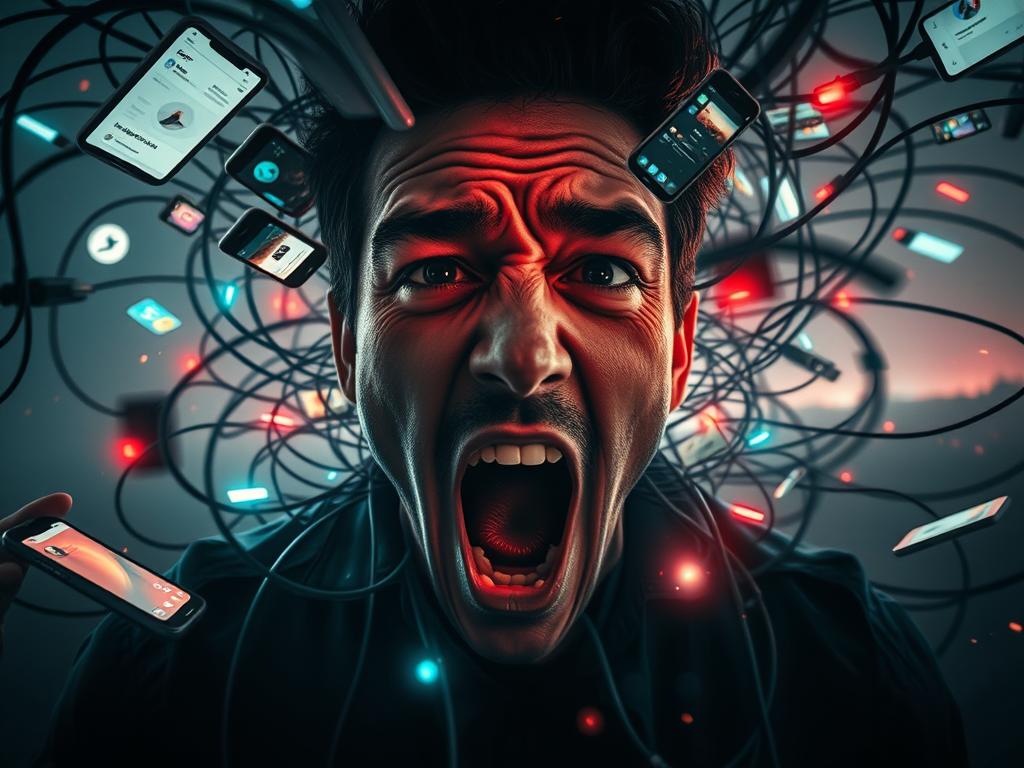
Today, many people love the thrill of high-stimulation lifestyles. They always look for the next big rush. This search can make them addicted to dopamine, a feel-good chemical in the brain.
But, this endless chase can harm their health. It can affect their mind and body. It’s important to know the dangers of dopamine addiction in our fast world.
Key Takeaways
- High-stimulation lifestyles can lead to dopamine addiction.
- Dopamine addiction has severe consequences on mental and physical health.
- Recognizing the risks is the first step towards a healthier lifestyle.
- A balanced lifestyle can mitigate the effects of dopamine addiction.
- Awareness and education are key to preventing dopamine addiction.
Understanding Dopamine: The Pleasure and Reward Neurotransmitter
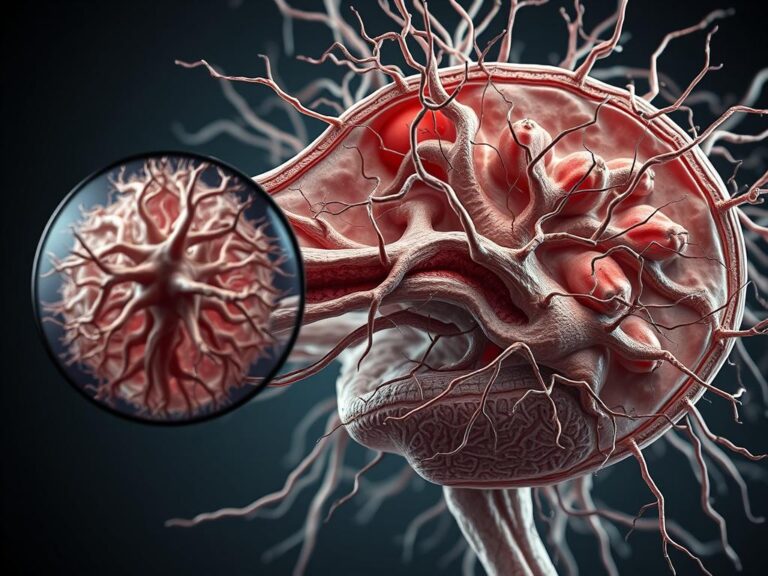
Dopamine is key to understanding how our brains react to pleasure and reward. It’s a neurotransmitter that plays a big role in the brain’s reward system. It affects our emotions and actions.
What Is Dopamine and How Does It Work?
Dopamine is called the “feel-good” neurotransmitter because it’s linked to pleasure and reward. When we do things we enjoy, dopamine is released. This makes us feel good.
This neurotransmitter is important for learning and motivation. It helps us remember what’s good for us and keeps us motivated.
The release of dopamine can make us feel better and more motivated. But, too much stimulation can make us rely too much on dopamine. This can mess with our brain’s reward system.
The Evolutionary Purpose of Dopamine
Dopamine has an evolutionary purpose. It motivates us to do things we need to survive, like eating and reproducing. It helps us connect certain actions with pleasure or reward.
The dopamine release effects aren’t just about physical pleasure. Dopamine also plays a role in anticipation and expectation of reward. This shows how important dopamine is in shaping our actions and decisions.
The Dopamine Trap Behind High-Stimulation Lifestyles
Our brains get hooked on dopamine from modern activities. This is why we keep seeking more stimulation.
Defining the Dopamine Trap
The dopamine trap is when our brains need constant dopamine. Modern life gives us lots of stimuli, making us crave more. We keep looking for dopamine, leading to more stimulating activities.
How Modern Life Hijacks Our Reward System
Modern life offers many ways to get dopamine, like social media and TV shows. These are made to keep us engaged and rewarded. Our brains get used to this, making us want more.
Knowing how our environment affects dopamine is important. We can change to live healthier. It’s about being aware of what we do and what we see, taking back control.
The Neurological Mechanisms of Dopamine Addiction
Dopamine addiction involves a complex mix of our brain’s reward system and the constant stimulation of modern life. This mix is key to understanding why some behaviors become addictive.
Tolerance and Desensitization
One major part of dopamine addiction is tolerance and desensitization. When we seek out high-stimulation activities, our brains adapt. They make dopamine receptors less sensitive. This means we need more stimulation to feel pleasure, starting a cycle of escalating behavior.
Tolerance happens when our brains get used to the constant dopamine flow. We need more stimulation to get the same dopamine release. Desensitization makes dopamine receptors less responsive, adding to the addiction cycle.
The Dopamine Deficit State
The dopamine deficit state is another important factor. It happens when our dopamine levels drop due to too much stimulation. We feel tired, depressed, and anxious without the stimulating activity. Our brain wants the dopamine from the addictive behavior, making it hard to stop without withdrawal symptoms.
It’s vital to understand these mechanisms to tackle dopamine addiction. Knowing how tolerance, desensitization, and the dopamine deficit state work helps us find ways to break free from addiction.
Digital Stimulation: Screens, Social Media, and Constant Connectivity
The modern world is filled with screens, social media, and always being connected. This affects how we feel and live our daily lives. It’s important to know how these things trap us in a cycle of addiction.
The Design of Digital Addiction
Digital platforms are made to keep us hooked. Algorithms are designed to keep us engaged for as long as possible. They use tricks like endless scrolling and personalized content to keep us interested.
This design makes us always check and re-check our devices. It leads to a constant flow of dopamine, which is addictive.
Notification Culture and Intermittent Rewards
Notifications create a culture of intermittent rewards. They trigger dopamine releases without a set outcome. This makes us keep coming back for more.
The anticipation of these notifications keeps us on edge. It’s hard to stop checking our devices.
The Endless Scroll and Content Algorithms
Social media’s endless scroll means we don’t have to choose what to see. Content algorithms make sure we find it interesting. This creates a cycle of addiction, making it hard to stop scrolling.
It’s key to understand these effects. Knowing how digital stimulation works helps us protect our well-being.
Modern Entertainment and Dopamine Overload
The modern entertainment world offers many choices to grab our attention. Streaming services and video games are more immersive and addictive than ever. They keep us coming back for more.
Streaming Services and Binge-Watching
Streaming services have changed how we watch TV and movies. They give us endless content right at our fingertips. This makes binge-watching easy, where we watch lots of shows in a row.
This binge-watching can make our brains release a lot of dopamine. Shows with cliffhangers and complex stories keep us hooked. The dopamine release effects are strong in these shows.
Video Games and Immersive Experiences
Video games are another source of dopamine overload. They are made to be very engaging. Features like rewards and achievements make our brains happy.
Games offer a sense of progress and accomplishment. This can lead to long gaming sessions and addiction. Managing dopamine levels means setting limits on gaming and doing other activities too.
Food, Shopping, and Other Dopamine-Triggering Activities
Dopamine isn’t just about screens. It’s also linked to enjoying food and shopping. These activities can harm our mental and physical health if done too much.
Ultra-Processed Foods and Dopamine Release
Ultra-processed foods are made to taste great, which makes them addictive. They can lead to eating too much and unhealthy habits. Foods high in sugar, salt, and fat activate our brain’s reward centers, making them hard to resist.
Retail Therapy and the Buying High
Shopping can also give us a dopamine rush, known as “retail therapy.” Buying things, getting discounts, or finding something new can excite our brain. This can start a cycle of wanting and buying that’s hard to stop.
It’s important to know how these activities affect our dopamine. This knowledge helps us manage our mental health and adopt better habits.
Physical and Mental Health Consequences
Chasing dopamine can harm both body and mind. People seeking constant excitement face serious health risks. Their bodies and minds suffer from the constant dopamine rush.
Anxiety, depression, and mood disorders are rising. This is due to a society that values quick fixes over lasting happiness.
Anxiety, Depression, and Mood Disorders
Dopamine’s constant flow can upset the brain’s balance. This can lead to anxiety and depression. Research links frequent dopamine-seeking to mood disorders.
Attention Problems and Cognitive Impacts
Too much stimulation can cause attention problems and brain damage. The brain struggles to focus with so much going on. It’s hard to focus on tasks that don’t offer quick rewards.
Sleep Disruption and Physical Health
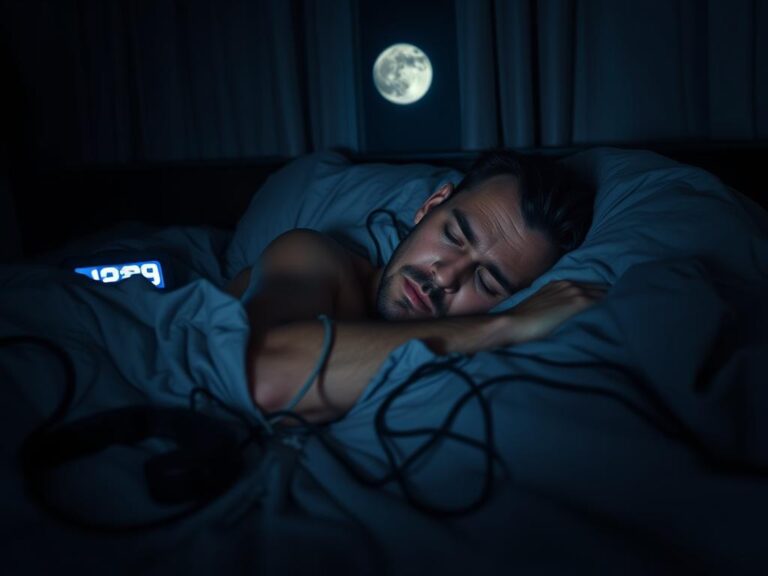
Dopamine-driven lifestyles also harm physical health. Sleep disruption is common, making it hard to relax before bed. This can cause heart disease and weaken the immune system.
Knowing the risks of dopamine-driven behaviors is the first step. It helps people work towards a healthier, more balanced life.
Social and Relationship Impacts of Dopamine-Driven Lifestyles
Dopamine-driven activities are changing how we live and interact with others. We now seek instant gratification and exciting experiences. This shift affects our social lives and personal bonds.
Diminished Face-to-Face Interactions
More people are using digital tools to talk instead of meeting face-to-face. While tech helps us connect far away, it also makes our relationships less deep. Face-to-face talks are key for trust, empathy, and understanding, which digital chats often lack.
Also, digital fun can make real-life chats seem boring. This makes people choose screens over people. Such a change weakens community bonds and support networks.
Relationship Satisfaction and Connection
Dopamine-driven lives can also hurt our relationship happiness and feeling connected. Always chasing new thrills can make us unhappy with our current relationships. This might make us look for new, exciting things, ignoring our current bonds.
Also, social media can make us feel not good enough or unhappy with our lives and relationships. It’s vital to focus on building real, meaningful connections.
By knowing how dopamine-driven lifestyles affect our social and personal lives, we can start making better choices. We can work towards healthier, more rewarding relationships with others.
Breaking the Cycle: Dopamine Detox Strategies
Dopamine detox is a new idea that helps us take back control from instant gratification. In today’s world, it’s easy to get hooked on high-stimulation activities. But, by using dopamine detox strategies, we can break free and have a better relationship with dopamine.
What Is a Dopamine Detox?
A dopamine detox means stopping activities that make us feel too good for a while. This includes staying off social media, video games, and other things that excite us too much. The goal is to reset our brain’s reward system and not rely so much on these things.
Step-by-Step Approach to Digital Minimalism
Starting with digital minimalism is key in dopamine detox. This means:
- Limiting screen time to certain hours
- Removing apps that distract us from our goals
- Using tools to block websites that waste our time
By making our digital life simpler, we cut down on too much dopamine.
Managing Withdrawal Symptoms
Stopping too much dopamine can make us feel anxious or restless. To handle these feelings, it’s important to:
- Do physical activities like exercise or yoga
- Practice mindfulness and meditation
- Get outside and enjoy nature
These activities help keep our mood stable and ease withdrawal symptoms.
Creating Boundaries with Technology
Setting limits with technology is key to keeping dopamine levels balanced. This can be done by:
- Having tech-free areas in your home
- Having times when you can’t use devices
- Using apps to track and limit screen time
By setting these limits, we can avoid going back to seeking too much dopamine.
Breaking free from dopamine addiction takes dedication and a good plan. By knowing what a dopamine detox is, living digitally simple, managing withdrawal, and setting tech limits, we can take back control of our lives. This leads to a healthier way of living.
Building a Balanced Dopamine Lifestyle
Creating a lifestyle that boosts dopamine can greatly improve our life quality. We can do this by using natural dopamine sources, practicing mindfulness, and building lasting habits. This way, we can keep our dopamine levels in check.
Natural and Healthy Dopamine Sources
Doing activities that naturally boost dopamine is key. Exercise, meditation, and being in nature are great examples. These not only increase dopamine but also improve our overall health.
- Regular physical activity
- Meditation and mindfulness practices
- Exposure to natural sunlight
Mindfulness and Presence Practices
Mindfulness, like deep breathing exercises and meditation, helps control dopamine. Staying present in the moment lowers stress and keeps dopamine balanced.
- Deep breathing exercises
- Meditation and yoga
- Engaging in hobbies
Creating Sustainable Habits for Long-Term Wellbeing
Building lasting habits is vital for long-term health. This means setting realistic goals, practicing gratitude, and eating a balanced diet. These actions help manage dopamine and improve our life quality.

Conclusion: Reclaiming Control in a High-Stimulation World
Understanding the dopamine trap is key in today’s world. Digital stimulation and instant gratification are everywhere. This constant search for new things can lead to addiction, harming our health.
To escape this trap, we need to find balance. Being aware of our digital use, setting tech limits, and seeking natural dopamine sources are steps forward. This way, we can take back control of our actions.
Starting a dopamine detox and practicing mindfulness can reset our reward system. It helps us enjoy life’s simple moments. Making lasting lifestyle changes can reduce addiction risks and boost our well-being.
In the end, knowing the signs of dopamine addiction and making healthy choices can lead to a better life. It frees us from the dopamine trap of high-stimulation lifestyles.