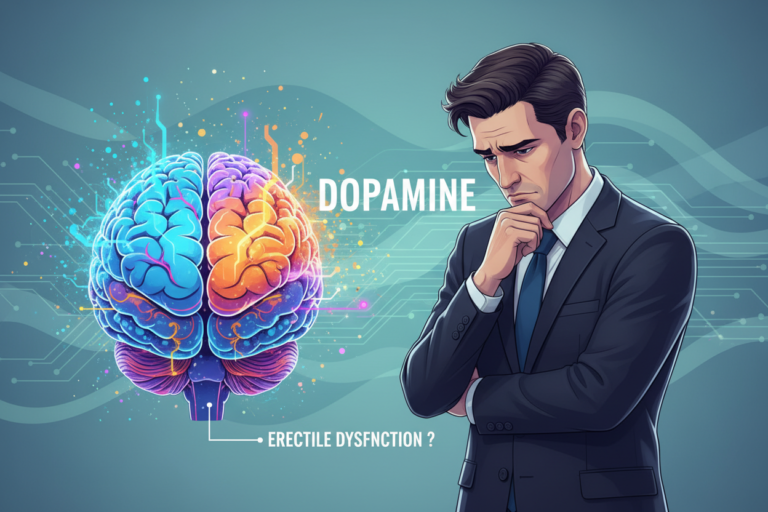
The Estrogen Creep in Modern Men and Its Real Impact

Rising concerns about hormonal imbalance in men have sparked a critical conversation. This is about the effects of increased estrogen levels on men’s health.
It’s clear that estrogen levels in men are rising. This is causing unexpected health issues. The shift in hormonal balance affects not just physical health but also overall well-being.
As we dive into this topic, it’s vital to grasp the underlying causes. We must also understand the risks linked to this trend.
Key Takeaways
- Increasing estrogen levels in men can lead to hormonal imbalance.
- Hormonal changes can affect physical and mental health.
- Understanding the causes is key to addressing the issue.
- Rising estrogen levels can have significant health consequences.
- Awareness is essential to mitigate the effects of hormonal imbalance.
Understanding Male Hormonal Balance
Hormones are key for men’s health, keeping the body working right. The hormonal system in men is complex. It needs a balance of hormones to work well.
The Natural Hormonal Profile in Men
A man’s hormones include testosterone and estrogen. Testosterone is seen as the male hormone. Estrogen is linked to female health. But, both are important for men.
Testosterone and Its Functions
Testosterone helps grow male traits and keeps health good. It boosts libido, bone strength, and muscle. Low testosterone can cause tiredness and erectile dysfunction.
The Role of Estrogen in Men’s Health
Estrogen is vital for bone health in men. It helps with reproductive system control. Too much estrogen can cause gynecomastia.
The Delicate Balance Between Hormones
Testosterone and estrogen must be in balance. Lifestyle, diet, and chemicals can upset this balance. For example, being overweight or inactive can lower testosterone and raise estrogen.
Keeping hormones balanced is essential for health. Men should know what affects their hormones and take action to stay healthy.
The Estrogen Creep in Modern Men and Its Real Impact
Estrogen dominance in men is a big health issue today. We’re looking into how hormones affect our health. It’s not just a small change, but a big trend.
Defining Estrogen Dominance in Males
When men have more estrogen than testosterone, it’s called estrogen dominance. This hormonal imbalance comes from genes, the environment, and lifestyle. Knowing about estrogen dominance helps us tackle its effects on men’s health.
Men with estrogen dominance might notice changes in their body, mood swings, and less interest in sex. Spotting these signs is key to finding and treating the problem.
Statistical Trends of Hormonal Changes in Modern Men
Studies show a worrying trend: testosterone levels in men have dropped over the years. At the same time, estrogen levels have gone up. This mix leads to estrogen dominance.
Historical Testosterone Levels vs. Today
Looking at old and new data, we see a big drop in testosterone in men. This decline is due to lifestyle changes and chemicals that mess with hormones.
Generational Differences in Hormonal Profiles
Younger men have different hormone levels than older men. Diet, exercise, and what we’re exposed to play a role in these changes.
Grasping these trends helps us find ways to fight estrogen dominance’s effects.
Environmental Factors Driving Hormonal Changes
Endocrine-disrupting chemicals in everyday products are making men’s hormone levels rise. These chemicals can act like or block our body’s hormones, causing health problems. It’s important to know where these chemicals come from and how they affect us.
Endocrine-Disrupting Chemicals in Everyday Products
EDCs are in many things we use every day, like plastics and personal care items. Xenoestrogens, a type of EDC, are bad because they can act like estrogen in our bodies.
Xenoestrogens and Their Sources
Xenoestrogens are man-made estrogens found in plastics, pesticides, and industrial chemicals. They’re in nonylphenol in detergents and polychlorinated biphenyls (PCBs) in old electrical stuff. These can get into our food and water, exposing us to them.
BPA and Phthalates: Hidden Dangers
Bisphenol A (BPA) and phthalates are EDCs in plastics and personal care items. BPA is in polycarbonate plastics and epoxy resins. Phthalates make plastics flexible. Both can mess with our hormones and are in many products.
Plastics, Pesticides, and Their Estrogenic Effects
Plastics and pesticides are big sources of EDCs. Many plastics can leak chemicals into our food and drinks, worse when heated. Pesticides can also act like estrogen, adding to the EDC problem.
These substances can cause health issues like reproductive problems and cancer risk. It’s key to cut down on exposure to keep our hormones balanced.
Knowing where EDCs come from and how to avoid them helps protect our hormonal health. We can do this by choosing products with less packaging, not heating food in plastic, and picking personal care items without EDCs.
Lifestyle Contributors to Estrogen Dominance
Estrogen dominance in men is not just about hormones. It’s also about our daily choices. What we eat and how active we are affect our hormones.
Diet and Its Impact on Male Hormones
The modern diet can raise estrogen levels in men. Some foods have phytoestrogens, which act like estrogen in our bodies.
Phytoestrogens in Modern Foods
Soy, flaxseeds, and sesame seeds have a lot of phytoestrogens. While they’re good in small amounts, too much can upset hormone levels. Moderation is key when eating these foods.
Processed Foods and Hormonal Disruption
Processed foods often have chemicals that mess with hormones. Avoiding processed foods helps avoid this problem.
Sedentary Living and Obesity Connection
Being inactive and obese can lead to estrogen dominance. Men who don’t move much often face hormonal issues.
Fat Tissue as an Estrogen Factory
Fat tissue isn’t just for storing energy; it makes estrogen too. The more fat, the more estrogen, which can cause imbalance.
Exercise Deficiency and Hormonal Consequences
Exercise is key for hormone balance. It helps control fat, improves insulin, and supports hormone health. Regular exercise fights estrogen dominance.
In conclusion, diet and activity level greatly affect estrogen dominance in men. Making smart food choices and staying active helps keep hormones in check.
Physical Manifestations of Elevated Estrogen
Elevated estrogen in men can affect their health and appearance in many ways. It changes body composition and breast tissue.
Gynecomastia and Body Composition Changes
Elevated estrogen can cause gynecomastia, where men’s breast tissue grows. This can lower self-esteem. It also changes where fat is stored, making it more like a woman’s.
Men might also see a drop in muscle mass and strength. Resistance training and a good diet can help. But, fixing the hormonal imbalance is key.
Metabolic Consequences of Hormonal Imbalance
The metabolic effects of high estrogen in men are serious. They can lead to many health problems.
Insulin Resistance and Estrogen
High estrogen is linked to insulin resistance. This means the body can’t use insulin well. It raises blood sugar and increases the risk of type 2 diabetes. To fight insulin resistance, focus on:
- Eating a healthy diet full of whole foods
- Staying active
- Checking blood sugar levels
Cardiovascular Implications
Estrogen dominance in men also raises heart disease risk. It messes with cholesterol levels, leading to bad cholesterol and less good cholesterol. Men should watch out for:
- High blood pressure
- High cholesterol
- Smoking
- Being overweight
Changing your lifestyle and, if needed, getting medical help is important for heart health.
Psychological and Emotional Effects
Elevated estrogen levels in men can deeply affect their mental and emotional health. This imbalance can change many aspects of their lives. It’s a big deal.
Mood Alterations and Cognitive Impacts
High estrogen in men often leads to mood swings. They might feel more irritable, anxious, or depressed. It can also mess with their concentration and memory. These changes can really disrupt their daily lives.
Estrogen’s Influence on Male Behavior Patterns
Estrogen dominance can change how men act. It can lower their energy and motivation. It can also make them less confident and less assertive.
Energy Levels and Motivation
Men with too much estrogen often feel less energetic and motivated. This makes it hard for them to do things they used to love. It can really hurt their work and personal life.
Confidence and Assertiveness Changes
Estrogen can also affect a man’s confidence and assertiveness. They might feel less sure of themselves or have trouble speaking up. This is often seen in their work and social life.
The Fertility Crisis Connection
The rise in male fertility issues has sparked a heated debate. It’s clear that estrogen levels in men play a big role in this crisis.
Declining Sperm Counts and Quality
Sperm counts and quality have been dropping. Studies show a decline of up to 50% in some areas.
Global Trends in Male Fertility
Global trends in male fertility are concerning. A meta-analysis found a big drop in sperm counts worldwide.
The Link Between Estrogen and Sperm Production
Estrogen’s impact on sperm is complex. High estrogen levels can harm sperm production. Estrogen dominance disrupts hormone balance needed for healthy sperm.
Reproductive Health Challenges for Modern Men
Modern men face many reproductive health issues. These include declining sperm quality and higher testicular cancer rates. Lifestyle factors like diet and chemical exposure are key. Maintaining a healthy balance between testosterone and estrogen is vital for reproductive health.
To tackle the fertility crisis, we need a multi-faceted approach. This includes lifestyle changes, reducing harmful chemical exposure, and medical interventions. Understanding the estrogen dominance link is a step towards addressing this health concern.
Testing and Medical Interventions
Diagnosing and treating hormonal imbalances need accurate tests and the right treatments. Hormonal imbalances can greatly affect our health. So, finding and fixing them quickly is key.
Hormone Testing Options and Interpretation
Testing hormones is a big step in finding hormonal imbalances. There are many tests, each giving different views on hormone health.
Blood Tests and What They Reveal
Blood tests are often used to check hormone levels, like estrogen and testosterone. They help spot imbalances and see if treatments are working.
When to Seek Medical Help
If you think you have a hormonal imbalance, see a doctor. They can figure out the best tests and treatment for you.
Medical Approaches to Hormonal Imbalance
After finding a hormonal imbalance, doctors have many ways to help. The treatment depends on how bad the imbalance is and what’s causing it.
Prescription Options
Doctors might prescribe medicines, like hormone therapy, to fix imbalances. These treatments try to balance hormones and ease symptoms.
Risks and Benefits of Hormone Therapy
Hormone therapy can help but also has risks. It’s important to talk about possible side effects and risks with your doctor before starting.

In summary, testing and treatments are essential for dealing with hormonal imbalances. Knowing about tests and treatments helps people work with doctors to find the best solutions.
Conclusion
It’s key to understand and tackle The Estrogen Creep in Modern Men and Its Real Impact. This is vital for keeping men’s hormonal health in check. Many factors, like the environment and lifestyle, lead to too much estrogen in men. This can harm their physical and mental health.
The link to fertility issues and signs like gynecomastia show we need to act. Testing and treatments can help fix hormonal imbalances. This is important for men’s health.
Men should take charge of their hormonal health. They need to make smart lifestyle choices and watch out for harmful chemicals. Getting medical help when needed is also important.
By being proactive, men can balance their hormones. This improves their health and life quality. Hormonal health in men is critical. We must focus on it to avoid serious problems later.