Newborn Sleep: Top Lullabies and White Noise

Welcoming a newborn is a joy, but it can also be tough, mainly when it comes to sleep. Creating a soothing environment is key for newborns. The right sounds can make a big difference.
Lullabies and white noise help babies relax and sleep. These sounds remind them of the womb, giving comfort and security.
Knowing how important these sleep aids are can change everything for new parents. In this article, we’ll look at the best ways to use lullabies and white noise for better newborn sleep.
Key Takeaways
- Understanding the role of lullabies and white noise in newborn sleep.
- Discovering the most effective types of lullabies and white noise.
- Learning how to create a sleep-conducive environment.
- Exploring tips for using lullabies and white noise effectively.
- Finding the best resources for lullabies and white noise.
The Science Behind Newborn Sleep Patterns
Newborns sleep patterns are closely tied to what they hear. Their unique sleep patterns are shaped by the sounds around them.
Understanding Sleep Cycles in Newborns
Newborns sleep in short cycles, lasting about 20-30 minutes. These cycles have both active and quiet phases. Auditory stimuli play a significant role in regulating these cycles.
Why Babies Respond to Womb-Like Sounds
Babies are used to the womb’s constant sounds, like the mother’s heartbeat. Womb-like sounds offer comfort and familiarity. They help newborns settle and sleep better.
The Fourth Trimester Concept
The “fourth trimester” is the time after birth when babies keep developing as if in the womb. Soothing sounds can help them adjust to the outside world.
| Sleep Factor | Description | Effect on Newborns |
|---|---|---|
| Womb-like Sounds | Constant, soothing sounds reminiscent of the womb | Provides comfort, aids sleep |
| Sleep Cycles | Short cycles of active and quiet sleep | Influenced by auditory stimuli |
How Sound Affects Infant Brain Development
Sound is key in shaping the infant brain. It affects auditory processing and language development. Infants grow by processing sounds, from their mother’s voice to environmental noises.
Auditory Processing in the First Months
In the first few months, infants learn to tell apart different sounds. This skill is essential for language. Auditory processing lets the brain understand these sounds, playing a big role in growth.
Music and Language Development Benefits
Music and various sounds help with language skills. Research shows that a rich sound environment boosts language development in infants.
Research on Sound Exposure in Infants
Studies show that infants as young as a few months can tell apart musical melodies and rhythms. This skill is linked to better language skills later. For example, a study found that infants who heard many top lullabies for infants had better sound processing.
Using baby sleep aids like white noise machines is also good. They offer a steady sound that helps soothe and aid in sleep.
Best Lullabies and White Noise for Newborn Sleep
Creating a sleep-friendly space for newborns is more than just dark and quiet. Sound is key. The right sounds can help babies fall asleep quicker and sleep better.
What Makes a Sound Sleep-Inducing for Babies
Sounds that help babies sleep are usually calm and steady. Calming white noise is great because it sounds like the womb. It makes newborns feel at home. Lullabies with soft tunes and slow beats also create a cozy vibe.
Comparing Different Sound Categories
Various sounds affect newborns differently. White noise is steady and keeps out other noises. Nature sounds like rain or waves are also calming. Lullabies, though, offer a traditional and culturally rich way to help babies sleep.
Volume and Safety Guidelines
It’s important to keep sound levels safe for newborns. The American Academy of Pediatrics says to keep it under 50 decibels. This protects their sensitive ears. Also, make sure the sound machine isn’t too close to the baby.
Knowing what sounds help and following safety tips, parents can use relaxing sleep sounds for newborns to enhance their baby’s sleep.
Top 10 Classic Lullabies That Soothe Infants
Lullabies are more than songs; they’re a special way to calm and secure babies. For years, parents have used these melodies to help their little ones relax and sleep.
Timeless Lullabies from Around the World
Classic lullabies from different cultures have been loved for generations. Each one has its own special way of soothing. Some favorites include:
- Twinkle, Twinkle, Little Star – A favorite everywhere, loved in many languages.
- Brahm’s Lullaby – A soothing tune that’s been in nurseries for over a century.
- Hush Little Baby – A traditional American lullaby loved by babies for years.
These lullabies have lasted through time, comforting babies all over the world.
Modern Adaptations of Traditional Songs
Recently, artists have made new versions of old lullabies. They mix in modern styles and sounds. These updates attract new parents while keeping the original calm feeling.
| Traditional Lullaby | Modern Adaptation |
|---|---|
| Rock-a-Bye Baby | Electronic dance versions with a lullaby twist |
| Hush Little Baby | Acoustic guitar and soft vocal renditions |
What Makes These Melodies Effective
These lullabies work because they feel familiar and comforting to babies. Their simple, soothing tunes are perfect for sleep.
Adding these classic lullabies to bedtime routines helps create a calm atmosphere. It tells babies it’s time to sleep.
White Noise Types and Their Effectiveness
Knowing about the different white noise types is key for parents wanting better sleep for their newborns. White noise is common in nurseries. But, the various types can be just as important.
Pink Noise vs. Brown Noise vs. White Noise
White noise has all sounds mixed together. Pink and brown noise are different, with some parents finding them better. Pink noise is softer than white, with more emphasis on low sounds. Brown noise goes even lower, making a deeper sound. What works best can change with each baby.
- White Noise: Has all sounds at the same level, making a steady sound.
- Pink Noise: Focuses on lower sounds, making it softer and more natural.
- Brown Noise: Has even more low sounds, creating a deep rumble.
Nature Sounds: Rain, Ocean, and Heartbeat
Nature sounds can also help newborns sleep. Rain, ocean waves, and heartbeat sounds can remind babies of the womb. They provide a comforting background noise.
Household Sounds That Mimic the Womb
Some home sounds can also soothe newborns. A fan or a hairdryer can make a womb-like sound. These sounds are easy to find and can work as well as white noise machines.
Trying out different noises can help parents find what works best for their baby. It could be white noise, nature sounds, or home sounds. The goal is to create a consistent sleep space that makes their baby feel safe and sleep well.
Best White Noise Machines for the Nursery
Finding the right white noise machine can change your nursery sleep game. With many choices, picking the best one can feel daunting. We’ll look at key features and top picks to guide your choice.
Essential Features in Baby Sound Machines
When picking a white noise machine, consider a few important features. Volume control is key to keep sounds safe for your baby’s ears. Look for machines with white noise, pink noise, and nature sounds. A timer function is also handy, turning off the machine after a set time.
Top 5 Sound Machines for Different Needs
Different families need different white noise machines. Here are some top picks:
- Compact Options: Perfect for small nurseries or those who like a simple setup.
- Feature-Rich Machines: These offer many sounds and extra features like nightlights.
Portable Options for Travel
For families always on the move, portable white noise machines are essential. These small, light devices keep your baby’s sleep routine on track, no matter where you are.
Digital Solutions: Apps and Playlists
Mobile apps and streaming services have made it easier to create a sleep-friendly environment for newborns. Parents can now find many digital tools to help their babies sleep better.
Highest-Rated Baby Sleep Apps
Many apps focus on soothing newborns with soothing sounds for baby sleep. Apps like “Baby Sleep Sounds” and “Sleep Baby” offer a variety of sounds. These can be customized to match a baby’s taste.
Streaming Services with Newborn Sleep Content
Platforms like Spotify and Apple Music have lots of newborn sleep music and white noise. Parents can make special playlists for their babies. These can be played on different devices, helping to keep a consistent sleep environment.
Creating Custom Sleep Soundtracks
Digital tools let parents make custom soundtracks for their babies. By mixing sounds like rain, ocean waves, or a heartbeat, parents can create a special audio space. This helps their baby sleep better.
Using these digital tools can greatly improve a newborn’s sleep. This leads to a happier and more rested baby.
Creating the Optimal Sleep Environment
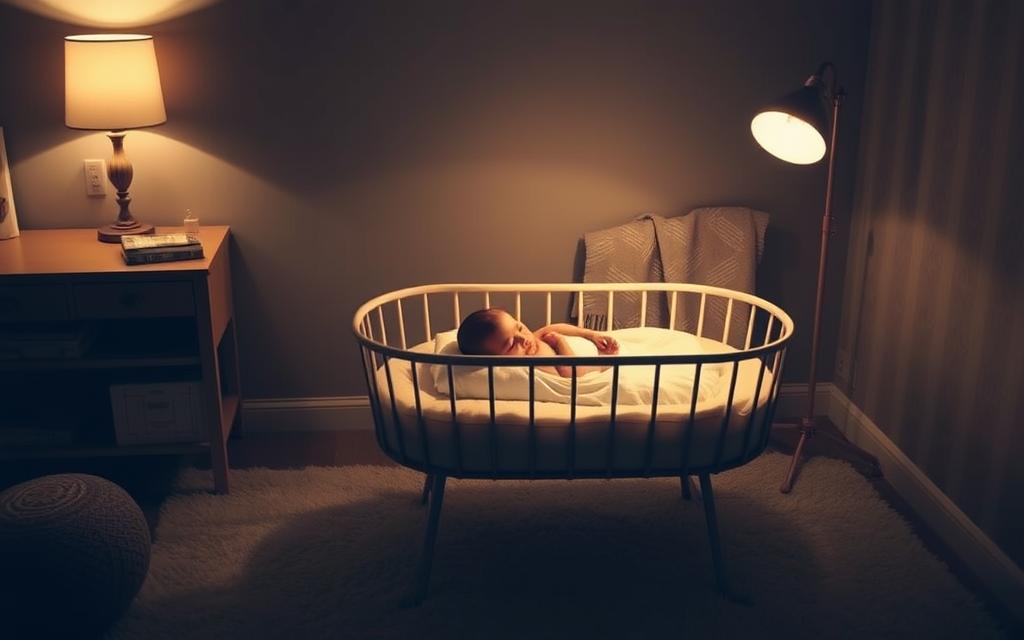
Sound is key in making a great sleep space for newborns. It helps them rest better and grow. A well-made sleep area is vital for a newborn’s sleep quality.
Combining Sound with Other Sleep Elements
To make a sleep-friendly area, mix sound with comfy temperature, dim lights, and a dark room. Relaxing sleep sounds for newborns work best with these elements.
A dark, quiet room with a steady temperature boosts sleep sound effects. Use blackout curtains, a white noise machine, and keep the room warm.
Room Setup for Sound Distribution
How you arrange your nursery affects sound spread. Place a sound machine or speaker wisely for even sound across the room.
Day vs. Night Sound Strategies
Day and night sounds should differ. Use bright, engaging sounds during the day to keep your newborn awake. At night, switch to calming, soothing sounds for sleep.
| Sound Type | Day/Night Use | Effectiveness |
|---|---|---|
| White Noise | Both | High |
| Nature Sounds | Both | Medium |
| Lullabies | Night | High |
By mixing the right sounds with other sleep aids and arranging the room for sound, you can make a sleep space that helps your newborn grow and sleep well.
Establishing a Sound-Based Sleep Routine
Creating a consistent sleep space with calming sounds can greatly help newborns sleep better. A sound-based sleep routine aids in developing good sleep habits for infants. It’s also a great tool for parents.
When to Introduce Sleep Sounds
Starting with sleep sounds early is beneficial. Studies show that newborns, even a few weeks old, benefit from a steady sound environment. Begin with gentle, soothing sounds that remind them of the womb.
Some of the most effective sounds include:
- White noise
- Nature sounds like rain or ocean waves
- Lullabies that are soft and calming
Creating Consistent Sound Associations
Consistency is key in a sound-based sleep routine. Using the same sounds at the same volume and during the same parts of the sleep routine helps infants link these sounds with sleep.
“Consistency in the sleep environment helps signal to the baby that it’s time to sleep, making it easier for them to settle down.”
Transitioning Between Sleep Cycles
Transitioning between sleep cycles can be tough for infants. A consistent sound can make this easier. For example, a gentle lullaby can signal the end of one sleep cycle and the start of another.
| Sound Type | Effectiveness | Tips for Use |
|---|---|---|
| White Noise | High | Use at a consistent volume |
| Lullabies | Medium to High | Choose soft, slow melodies |
| Nature Sounds | Medium | Vary the sounds to keep it interesting |
By using these strategies in a sound-based sleep routine, parents can help their infants develop healthy sleep habits. The key is consistency and creating a sleep-friendly environment.
Addressing Common Concerns About Sound Dependency
Sound dependency is a worry for parents using lullabies and white noise for their newborns. It’s natural to think if these newborn sleep solutions might lead to long-term dependencies.
Preventing Over-Reliance on Sound Aids
To avoid over-reliance, parents can use calming white noise or lullabies in moderation. They can set a timer or use a sound machine with an automatic shut-off.
Dr. Harvey Karp says, “Using sound aids in a balanced way can help your baby develop healthy sleep habits.” Being mindful of volume and duration can help prevent over-accustomization.
When and How to Wean Off Sleep Sounds
As babies grow, it’s key to wean them off sleep sounds for independent sleep. This can start around 6-12 months, when babies’ sleep patterns mature.
Balancing Sound Use with Natural Sleep Development
Establishing a consistent sleep routine is vital. It should include both sound and quiet periods. A study shows, “A balanced approach to sleep associations can help children develop healthy sleep habits that last a lifetime.”
“A balanced approach to sleep associations can help children develop healthy sleep habits that last a lifetime.” –
Conclusion
Creating a sleep-friendly space is key for newborns. The right mix of lullabies and white noise can greatly boost their sleep quality. Knowing how sound affects their brain helps parents choose the best sounds for their baby’s sleep.
Using tools like white noise machines or apps can help establish a sleep routine. It’s important to try out different sounds, including lullabies and white noise, to see what works best for your baby.
Adding the right sounds to your baby’s sleep area can help them sleep well from the start. Whether it’s a sound machine or a special playlist, the right sounds can greatly improve your baby’s health and happiness.