
The Rise of the Low-Maintenance Mom Movement
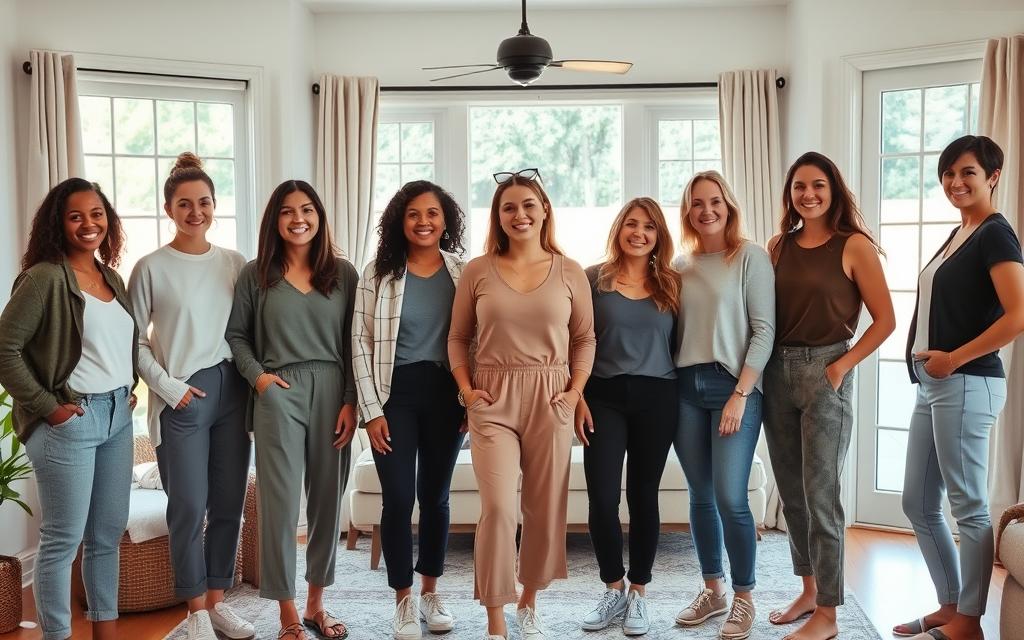
Modern mothers are changing the way we think about parenting. They’re moving towards a simpler, less stressful way of life. The old idea of being perfect is fading, making room for a more genuine approach.
Low maintenance mothers are leading this change. They use minimalist parenting strategies. These strategies help them find a better balance between work and family life. They also make sure they spend quality time with their kids.
Today, parenting is less about showing off on social media. It’s more about focusing on what really counts.
Key Takeaways
- Mothers are adopting a more simplified approach to parenting.
- Low maintenance mothers prioritize ease and efficiency.
- Minimalist parenting strategies promote a healthier work-life balance.
- Modern motherhood trends are shifting away from perfectionism.
- Authenticity is becoming a core value in modern parenting.
What Defines the Low-Maintenance Mom Movement?
The low-maintenance mom movement is changing parenting by making it simpler and more flexible. It moves away from strict rules and towards a more flexible, child-centered way of parenting.
Core Principles and Philosophy
The heart of the low-maintenance mom movement is minimalist parenting and effortless parenting. It’s about making daily life simpler, cutting out the extra stuff, and focusing on loving relationships with kids.
By choosing a simple parenting approach, moms can make their homes more peaceful and fun. This way of thinking encourages parents to be fully present with their kids, without aiming for perfection.
Distinguishing Features from Traditional Parenting Approaches
This movement is different from traditional parenting, which often focuses on achievement and being perfect. The low-maintenance mom movement puts emotional well-being and flexibility first. It’s more flexible to meet the needs of both kids and parents.
It stands out by having less busy schedules, less competition, and more family time. By focusing on what’s truly important, low-maintenance moms can build a more balanced and happy family life.
The Cultural Shift: From Pinterest-Perfect to Purposefully Simple
The push to be a “perfect” parent has led to a shift towards simpler parenting. Mothers are finding that chasing perfection is not only impossible but also too stressful.
Social Media’s Role in Creating Unrealistic Parenting Expectations
Sites like Pinterest and Instagram show a perfect parenting world. This can make mothers feel like they’re not good enough.
The impact of social media on parenting is big. It changes how mothers see their roles. By understanding this, mothers can fight the pressure to be perfect.
The Backlash Against Performative Motherhood
A movement against “performative motherhood” is growing. It tells mothers to stop trying to be perfect and be real instead.
Celebrity Moms Championing Authenticity
Celebrity moms are leading the way in being real. They share their true stories and show that being imperfect is okay.
| Key Aspects | Traditional Parenting | Low-Maintenance Parenting |
|---|---|---|
| Social Media Influence | High: Constant comparison to others | Low: Focus on real experiences |
| Parenting Style | Perfectionistic: Emphasis on being perfect | Authentic: Embracing imperfections |
| Mother’s Well-being | Often neglected: High stress levels | Prioritized: Stress-free mothering |
By choosing mom lifestyle changes that value simplicity and truth, mothers can find empowerment. This shift is about more than just rejecting perfection. It’s about finding joy and simplicity in parenting.
The Origins of the Low-Maintenance Mom Movement
The low-maintenance mom movement started due to many factors. Mothers began to speak out against the pressures of modern parenting. This led to a shift towards simpler and more authentic ways of living.
Evolving Motherhood Standards
Over time, what it means to be a mother has changed a lot. In the post-war era, mothers were expected to stay home and take care of the house. But as women started working outside the home, the expectations around mothering changed too.
The low-maintenance mom movement is a response to these changing standards. It aims to redefine what it means to be a good mother today.
Key Influencers and Thought Leaders
Many influencers have shaped the low-maintenance mom movement. Authors, bloggers, and social media stars have shared their parenting experiences. They offer a more relaxed way to raise kids.
These influencers have created a community for mothers. They provide support for those who want to simplify their parenting approach.
Economic and Social Factors
Economic and social factors have also played a big role. The cost of living has gone up, making parenting expensive. Many mothers are looking for ways to make parenting more affordable.
There’s also a growing awareness of mental health and self-care. This awareness has helped the movement grow, as mothers prioritize their own well-being.
Why Modern Mothers Are Embracing Minimalist Parenting
More mothers are choosing minimalist parenting for its simplicity and focus. It helps them manage their parenting better and find a balance between work and family life.
Mental Health and Stress Reduction Benefits
Mothers like minimalist parenting because it’s good for their mental health. It helps them avoid the stress of trying to have a perfect home. Dr. Laura Markham, a clinical psychologist, says, “Simplifying parenting makes for a more peaceful home.”
“The most important thing is to be present and engaged with your children, not to have a perfect house or perfectly behaved kids.”
Time Management and Work-Life Balance Advantages
Minimalist parenting also helps with time management and work-life balance. It makes daily routines simpler and lets families spend more quality time together. This way, life is more flexible and less stressful.
Financial Considerations in an Age of Consumption
Another big plus is the financial benefits. Families spend less on things they don’t need. This saves money and helps the environment too.
In short, more mothers are moving towards minimalist parenting. They want a parenting style that’s empowered and effortless. This way, they can enjoy a more balanced and less stressful family life.
The Psychology Behind Simplified Parenting Approaches
The psychology of simple parenting helps parents support their kids’ growth. It shows how to choose the best parenting style.
Research on Child Development in Less Structured Environments
Studies prove kids do well in free environments. They learn to solve problems and be self-reliant. This autonomy is key.
How Parental Stress Affects Parent-Child Relationship Quality
Stress in parents hurts the bond with their kids. Simple parenting lowers stress. This makes the relationship better and more caring.
Building Resilience Through Appropriate Independence
Letting kids be independent builds resilience and confidence. It’s vital for facing challenges and new situations.
Choosing a simple parenting approach means less stress for moms. It makes family life better. Knowing the psychology helps parents be more effective and caring.
Practical Applications of Low-Maintenance Mothering
Living a low-maintenance lifestyle can change a mother’s daily life for the better. It makes daily routines, kids’ activities, and home management easier. This leads to less work and stress for moms.
Creating Simplified Daily Routines That Actually Work
Low-maintenance mothering is all about simple, doable daily routines. It’s about prioritizing tasks and focusing on what’s really important. This way, moms can manage their days better and feel more in control.

Minimalist Approach to Children’s Activities and Schedules
Keeping kids’ activities simple can really help moms out. It means limiting activities to just a few for each child. This gives them more free time and makes life less hectic.
Streamlined Household Management Systems
For low-maintenance moms, managing the home is key. This can be done by:
- Keeping meal planning and cooking simple
- Using efficient cleaning methods
- Handling tasks with the “one-touch rule”
Meal Planning Strategies
Good meal planning can cut down on daily stress. Try batch cooking, making meals ahead of time, and using a simple menu. It saves time and eases the mind.
Simplified Cleaning Routines
Make cleaning easier by breaking tasks into smaller steps. Set up a regular cleaning schedule. This way, you can keep your home tidy without feeling overwhelmed.
| Task | Frequency | Time Required |
|---|---|---|
| Meal Planning | Weekly | 30 minutes |
| Batch Cooking | Bi-Weekly | 2 hours |
| Household Cleaning | Daily/Weekly | 15-60 minutes |
By using these strategies, low-maintenance moms can live a more balanced, stress-free life. They get to spend more quality time with their families.
The Rise of the Low-Maintenance Mom Movement in American Culture
The low-maintenance mom movement is gaining popularity in America. It focuses on simplicity and practicality. This movement is diverse, showing the rich tapestry of American culture.
Regional Differences and Cultural Adaptations
In the United States, the low-maintenance mom movement looks different in each region. For example, in New York City, mothers might choose minimalist parenting due to the city’s fast pace. In contrast, suburban or rural areas might see it as a simpler lifestyle choice.
Cultural adaptations are key in how this movement is received. In areas with strong social support, sharing childcare and chores is common. In more individualistic places, the focus is on personal efficiency and self-care.
Demographic Trends Across Different Communities
The movement is not just for one group. Mothers from all walks of life are joining in. Working mothers, in particular, find it helpful in balancing work and family life.
How the Movement Intersects with Other Parenting Philosophies
The low-maintenance mom movement meets other parenting styles. Mothers mix and match to find what works best for their families. As one mom said, “I’ve mixed attachment parenting with low-maintenance to find a balance that suits us.”
“Parenting is not about being perfect; it’s about being present and making conscious choices that support your family’s well-being.” –
This mix of philosophies shows the empowered motherhood the movement supports. It encourages mothers to make choices that reflect their values and life situation.
Common Misconceptions and Criticisms
Many people think the low-maintenance mom movement is about not caring. But it’s really about being smart with time and energy. It’s about focusing on what’s most important in parenting.
This movement isn’t about doing less. It’s about doing what’s important better. Mothers in this group often get judged by those who follow traditional parenting ways.
Addressing the “Lazy Mom” Stereotype
One big mistake is thinking low-maintenance moms are lazy. But that’s not true. They are strategic with their time and energy.
Quality vs. Quantity in Parenting Efforts
The low-maintenance mom movement values quality over quantity. It’s not about how much time you spend with kids. It’s about the quality of interactions that count.
Navigating Judgment from Traditional Parenting Advocates
Mothers who choose low-maintenance parenting often get criticized. To deal with this, understanding the movement’s principles is key. Being confident in your choices is also important.
By focusing on what’s truly important, low-maintenance moms can handle criticism. They can also build a supportive community around their parenting style.
Balancing Simplicity with Effective Parenting
Finding the right balance between simplicity and effective parenting is key. Mothers embracing the low-maintenance parenting movement must ensure simplicity doesn’t harm parenting quality.
Setting Appropriate Boundaries and Expectations
Setting clear boundaries and expectations is vital. It doesn’t mean being too strict. Instead, it’s about creating a guide for children’s behavior. Consistency is key to making children feel secure and understood.
For example, a simple bedtime routine can help children relax. It might include reading a book, singing a lullaby, and then turning off the lights. This routine reduces resistance and makes parenting easier.
Maintaining Educational and Developmental Focus
While simplicity is good, focusing on children’s education and development is also important. This can be done by integrating learning into daily activities. Cooking, for instance, can teach math and science in a fun way.
| Activity | Learning Opportunity |
|---|---|
| Cooking | Math (measurements), Science (chemical reactions) |
| Gardening | Biology (plant growth), Responsibility (caring for plants) |
| Reading | Language Skills, Imagination |
When to Invest More Time and Energy (and When Not To)
Knowing when to invest more time in parenting is important. For big milestones or challenges, like starting school or dealing with bullying, additional parental involvement is key. But for routine tasks or small issues, letting children handle them can help them grow independent and resilient.
By keeping these points in mind, mothers can effectively use the low-maintenance parenting movement. They ensure their children get the support they need while enjoying a simpler parenting approach.
Technology’s Role in Enabling Effortless Parenting
Mothers can make parenting easier with technology. It helps balance their lives and manage tasks better. Digital tools and apps are key in the low-maintenance mom movement.
Essential Apps and Digital Tools for Streamlined Parenting
Many apps and tools help with parenting tasks. They manage family calendars and offer educational content. For example, Cozi Family Organizer and ChoreMonster handle daily tasks. Khan Academy Kids provides quality learning materials.
Managing Screen Time in a Low-Maintenance Household
It’s important to control screen time in a low-maintenance home. Setting limits and using parental controls is key. Tools like Norton Family and Qustodio help monitor and manage screen use. This ensures technology is a tool, not a distraction.
Using Technology to Connect Instead of Complicate
Technology can also bring families closer. Apps like Zoom and Skype keep distant family members connected. Digital tools also support shared activities, like reading or playing games together. This strengthens family bonds.
The Societal Impact: Changing Gender Roles and Expectations
The low-maintenance mom movement is making waves beyond just families. It’s not just about personal choices; it’s about changing how society sees gender roles and parenting.
How the Movement Challenges Traditional Maternal Expectations
This movement is changing what it means to be a good mom. It focuses on simplicity and stress-free parenting. This move away from traditional intensive mothering promotes a more balanced parenting style.
“Motherhood is not a competition, it’s a journey. And it’s a journey that we don’t have to take alone.” –
The Role of Partners and Co-Parents
The movement highlights the importance of shared parenting. It encourages partners and co-parents to get more involved in childcare. This makes parenting more equal and collaborative.
| Traditional Parenting Roles | Low-Maintenance Parenting Approach |
|---|---|
| Mother as primary caregiver | Shared parenting responsibilities |
| High expectations for parental involvement | Flexible and realistic parenting goals |
Workplace Policies and Societal Support Systems
For the movement to succeed, we need better workplace policies and support systems. This includes flexible work, accessible childcare, and community networks. Low-maintenance moms are fighting for these changes to make society more family-friendly.
The low-maintenance mom movement is part of a bigger change in how we view motherhood. It values simplicity, shared responsibility, and family well-being. As it grows, it will likely change how society sees parenting and gender roles for good.
Conclusion: Embracing Your Version of Low-Maintenance Motherhood
Embracing the low-maintenance mom movement means adopting a simple parenting approach. It focuses on emotional well-being. This way, mothers can live a more balanced life, which benefits them and their kids.
Minimalist parenting helps reduce stress and increases quality time with family. It’s not about being less involved. It’s about being more intentional with your time and energy.
Remember, it’s about finding what works best for you and your family. Be confident in your choices and don’t be afraid to change as your kids grow. The key is flexibility, self-care, and a willingness to simplify.
By embracing this approach, you can create a peaceful, loving, and connected family. This leads to a more fulfilling parenting experience.