Month-by-Month Baby Feeding Chart (0–12 Months)
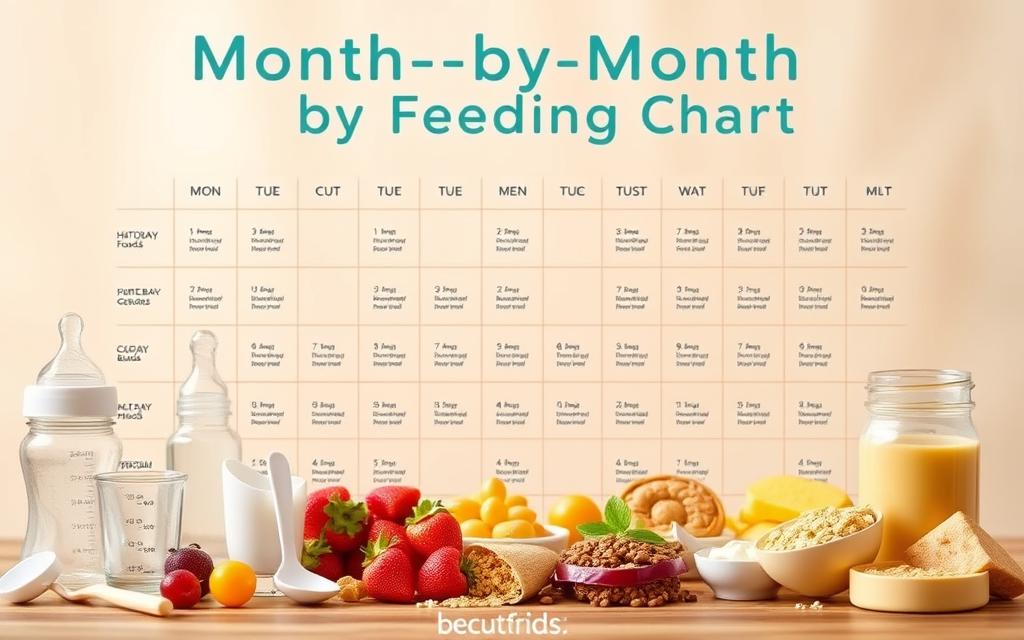
Knowing your baby’s nutritional needs is key for their growth. The American Academy of Pediatrics (AAP) says to feed your baby when they seem hungry. The amount and frequency of feeding change as they grow and have different needs.
A feeding schedule is helpful, but watching your baby’s hunger and fullness cues is more important. This way, you make sure they get the right amount of food at the right time.
By following a general infant feeding guide and paying attention to your baby’s needs, you can make a baby nutrition plan. This plan will help keep your baby healthy and happy.
Key Takeaways
- Feed your baby whenever they seem hungry.
- Monitor hunger and fullness cues for a personalized feeding approach.
- Use a feeding schedule as a guide.
- Understand that feeding frequency and amount vary by age and individual needs.
- Create a baby nutrition plan that supports overall health.
Your Baby’s Nutritional Journey: The First Year
The first year of your baby’s life is full of important nutritional milestones. As they grow, their diet changes from just milk to solid foods.
Key Nutritional Milestones in the First 12 Months
In the first year, your baby will hit several key nutritional milestones. At first, breast milk or formula gives them all they need. Around six months, you’ll start adding solid foods to their diet.
How Feeding Evolves from Milk to Solids
The move from milk to solids happens slowly. Breast milk or formula stays the main food source until about 12 months. Knowing the right time and signs of readiness is key.
Breast Milk and Formula Nutrition Facts
Breast milk is packed with antibodies and nutrients for growth. Formula is made to match breast milk’s nutritional value. Both offer important vitamins and minerals.
Developmental Signs of Feeding Readiness
Signs your baby is ready for solids include showing interest in food and sitting up with support. These signs usually show up around 6 months.
Month 1: Newborn Feeding Essentials
Starting your journey with a newborn means learning about feeding basics. This first month is all about adjusting to new habits, and feeding is key.
Breast Milk and Formula Requirements
Newborns need to eat often, usually every 2-3 hours. Whether to breastfeed or use formula depends on your health, lifestyle, and what you prefer.
How Much and How Often to Feed
Newborns eat 8-12 times in a day. It’s important to feed on demand. Look for signs like rooting or sucking on their hands to know when they’re hungry.
Proper Latch and Bottle Techniques
Getting a proper latch is key for breastfeeding. For bottle-feeding, the right flow and technique can stop gas and spitting up.
Recognizing Hunger and Fullness Cues
Babies show us when they’re hungry or full. Knowing these signs helps create a smooth feeding schedule. Hunger cues include fussing or leaning forward. Fullness cues are turning away or relaxing.
Tracking Growth and Feeding Patterns
Watching your baby’s growth and feeding habits is important. Regular visits to the pediatrician help track progress and solve any issues.
Month 2: Establishing Feeding Rhythms
The second month is key for babies to start their feeding habits. It’s a time for parents to learn and adjust. Babies are getting used to life outside the womb and setting routines that will grow.
Typical 2-Month Feeding Schedule
At two months, babies eat every 3-4 hours. This can change a bit for each baby. But usually, they follow a pattern like this: 6 am, 10 am, 2 pm, 6 pm, and 10 pm. Adjustments are made based on the baby’s needs.
Managing Growth Spurts and Cluster Feeding
Growth spurts mean babies grow fast and might want to eat more often. This can be tough for parents. But it’s a normal part of growing up. Being ready for these times and flexible with feeding can help.
Common Feeding Challenges and Solutions
Feeding challenges like reflux and colic are common at this age. Knowing what causes them and how to handle them can make feeding better.
Reflux and Colic Management
For reflux, keeping the baby upright helps. For colic, try different ways of holding them and make sure they’re not too hungry or full.
When to Consult a Pediatrician
If feeding problems keep happening or if there are other signs of worry, see a pediatrician. They can give advice that fits the baby’s needs and health.
Month 3: Developing Consistent Patterns
The third month is key for setting up a regular feeding schedule for your baby. At this time, feeding patterns become clearer, and changes in milk or formula are more noticeable.
Milk Supply and Formula Adjustments
By the third month, breastfeeding moms might see their milk supply adjust to their baby’s needs. For formula-fed babies, the amount they drink may settle down. It’s important to watch how much your baby eats and if they seem happy with it.
Nighttime Feeding Expectations
Nighttime feedings are common at three months. But, some babies might start sleeping longer. It’s important to meet your baby’s needs and have a bedtime routine to help them sleep better.
Weight Gain Milestones
At three months, babies usually keep gaining weight steadily. It’s important to watch their weight gain to make sure they’re getting enough to eat. Your pediatrician will check this at regular visits.
Feeding Position Variations
Trying different feeding positions can find the best one for you and your baby. It can also help with gas and discomfort.
Burping and Gas Relief Techniques
Burping after feedings is key to get rid of trapped air. Sitting your baby up or lying them across your lap can work well. For gas, gentle leg movements or a warm bath can help.
| Feeding Aspect | Tips for Consistency |
|---|---|
| Milk Supply | Monitor baby’s output and satisfaction |
| Nighttime Feedings | Establish a bedtime routine |
| Weight Gain | Regular check-ups with pediatrician |
Month 4: Preparing for Dietary Changes
At four months, babies often show readiness signs for solids. This is a big milestone in their feeding journey. It’s important for parents to check if their baby is ready for new foods beyond milk.
Signs Your Baby May Be Ready for Solids
There are several signs that your baby might be ready for solids. These include:
- Showing interest in food when others are eating
- Having good head and neck control
- Reaching for food or trying to grab it
- Losing the “tongue-thrust reflex,” which causes them to push food out of their mouth
It’s essential to look for these signs as they indicate readiness for the next stage of feeding.
Milk Feeding Adjustments at 4 Months
At four months, babies rely heavily on milk for nutrition. Adjustments may be needed based on their growth and feeding patterns. Some babies may need more milk, while others might start showing readiness for solids.
Mothers should continue breastfeeding or adjust formula feeding according to their baby’s needs and pediatrician’s advice.
Developmental Milestones Affecting Feeding
Several developmental milestones at this age can affect feeding. These include:
| Milestone | Description | Impact on Feeding |
|---|---|---|
| Head Control | Babies start to have better control over their heads. | Allows for easier feeding of solids. |
| Sitting Support | Babies begin to sit up with support. | Helps in positioning for solid food feeding. |
| Hand-to-Mouth Coordination | Babies learn to coordinate their hands and mouths. | Facilitates self-feeding and exploration of food. |
Head Control and Sitting Support
Having good head control and being able to sit with support are key for safely introducing solids. These milestones show that the baby is ready for more complex feeding.
Hand-to-Mouth Coordination
This coordination is vital for self-feeding. Babies who can bring their hands to their mouths are ready for more interactive feeding experiences, like finger foods.
Month 5: First Foods Preparation
When your baby is five months old, it’s time to introduce first foods. This is a big step in their nutrition journey. It’s important to prepare these foods properly.
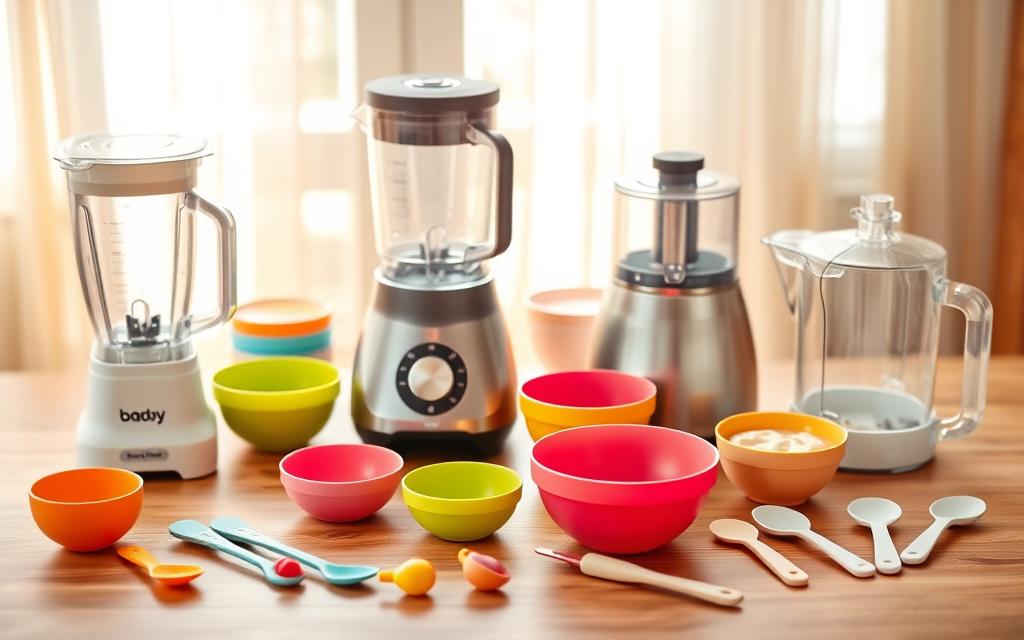
Equipment Needed for Starting Solids
You’ll need the right tools before starting solids. This includes a baby-safe bowl, a soft spoon, and a bib. A food processor or blender is also handy for pureeing foods.
Best First Foods to Consider
The American Academy of Pediatrics suggests starting with single-grain cereals and pureed veggies and fruits. These foods are easy on the baby’s stomach and full of nutrients.
Single-Grain Cereals
Single-grain cereals like rice or oatmeal are good first foods. They’re low in allergy risk and nutritious. Mix them with breast milk or formula for a familiar taste.
Pureed Vegetables and Fruits
Pureed veggies like carrots and sweet potatoes, and fruits like apples and bananas, are great options. Start with one food at a time to watch for any allergy signs.
| Food Type | Examples | Preparation Tip |
|---|---|---|
| Single-Grain Cereals | Rice, Oatmeal | Mix with breast milk or formula |
| Pureed Vegetables | Carrots, Sweet Potatoes | Steam before pureeing |
| Pureed Fruits | Apples, Bananas | Use ripe fruits for easier digestion |
Maintaining Milk as Primary Nutrition Source
Even as you introduce solids, remember that milk is the main nutrition source. Solids should add to, not replace, milk.
“At this stage, breast milk or formula is the main nutrition; solid foods are just a supplement.” – American Academy of Pediatrics
By following these tips and introducing a variety of healthy foods, you’ll help your baby develop good eating habits for life.
Month 6: Month-by-Month Baby Feeding Chart (0-12 Months) Milestone
At six months, your baby is ready to start eating solids. This is a big step in their nutrition journey. It’s important to introduce many foods to help them grow and develop.
Complete Guide to Starting Solids
Starting solids can be scary for parents. There are different ways to introduce solid foods. Knowing these can help make the transition easier.
Traditional vs. Baby-Led Weaning Approaches
There are two main ways to start solids: traditional weaning and baby-led weaning. Traditional weaning means spoon-feeding your baby with pureed foods. As they get older, you can make the foods thicker and more textured. On the other hand, baby-led weaning lets your baby feed themselves solid foods from the start.
- Traditional weaning gives you more control over what and how much your baby eats.
- Baby-led weaning helps your baby learn to feed themselves and can prevent overeating.
Food Safety and Preparation Guidelines
When starting solids, it’s key to follow food safety rules. Make sure all foods are clean and the right texture for your baby’s age.
| Age | Food Texture | Examples |
|---|---|---|
| 6 months | Pureed | Mashed banana, pureed avocado |
| 7-8 months | Soft, mashed | Mashed peaches, soft cooked carrots |
| 9-12 months | Soft, chopped | Soft cooked broccoli, diced apples |
Introducing Protein and Texture Variations
As your baby gets used to eating solids, it’s important to add different proteins and textures. This ensures they get a balanced diet and helps them learn to eat.
Protein sources can include pureed meats, legumes, and dairy. Texture variations can start with pureed foods, then soft, mashed, and eventually chopped foods.
Sample 6-Month Feeding Schedule
A 6-month-old baby’s feeding schedule might include breast milk or formula and solid foods. Solid foods are introduced slowly.
Balancing Milk and Solid Foods
At six months, breast milk or formula should be the main food. Solid foods are added to complement milk, increasing as the baby grows.
| Time | Feed |
|---|---|
| 8:00 AM | Breast milk/formula |
| 12:00 PM | Solid food (e.g., pureed fruits/vegetables) |
| 2:00 PM | Breast milk/formula |
| 6:00 PM | Solid food (e.g., pureed meats/legumes) |
Month 7-8: Advancing Food Textures and Varieties
When your baby is 7-8 months old, it’s time to introduce different textures and flavors. This is key for their eating habits and getting a wide range of nutrients.
Safe Finger Foods for Self-Feeding
Babies at this age love to feed themselves. Giving them safe finger foods is a great way to encourage this. Some good choices are:
- Soft fruits like bananas and avocados
- Steamed vegetables such as broccoli and carrots
- Soft cheese cubes
- Whole wheat toast strips
Make sure these foods are cut into small pieces to avoid choking. Always watch your baby while they eat.
Introducing Common Allergens Safely
Introducing common allergens around this age can help prevent allergies. It’s important to do it safely.
Peanut, Egg, and Dairy Introduction
Start with a little bit of peanut butter, egg, and dairy. Mix them with foods your baby already likes to make it easier.
Watching for Allergic Reactions
Keep an eye out for signs of an allergic reaction, like rashes or tummy troubles. If you see any, call your pediatrician right away.
Meal Planning for7-8 Month Olds
Having a meal plan helps make sure your baby gets a balanced diet. Include a variety of foods at each meal. Also, keep up with breastfeeding or formula feeding as the main source of nutrition.
A sample meal plan could be:
- Breakfast: Oatmeal with mashed banana and breast milk
- Lunch: Pureed vegetables with soft cheese
- Dinner: Mashed sweet potatoes with finely chopped chicken
By introducing different foods, you’re helping your baby develop good eating habits for life.
Month 9: Establishing Regular Meal Routines
By the ninth month, babies start eating three meals a day. This is a big step in their nutrition journey. It’s important to have a regular meal schedule to help them grow.
Transitioning to Three Meals Daily
At 9 months, babies are ready for a structured eating schedule. They start with three main meals, with breast milk or formula also important. It’s essential to watch for signs of readiness, like showing interest in food and sitting up with support.
Age-Appropriate Portion Sizes
Finding the right portion sizes for a 9-month-old baby is key. They can eat about 1-2 tablespoons of solid food per meal. Paying attention to your baby’s cues helps figure out how much they need.
Foods to Avoid Before 12 Months
Some foods are not safe for babies under 12 months. Knowing these foods is important for their safety and health.
Choking Hazards
Nuts, popcorn, and hard candies are choking hazards. Cutting food into small, manageable pieces can help avoid this risk.
High-Sodium and Sugary Foods
Limiting foods high in sodium and sugar is also key. These can harm a baby’s taste preferences and health. Opting for fresh, whole foods is a better choice.
Having a regular meal routine at 9 months helps with nutrition and healthy eating habits. Being careful with portion sizes and avoiding certain foods supports a baby’s growth and health.
Month 10: Expanding the Food Repertoire
By the tenth month, babies are ready to try new foods. They can start eating foods similar to what the family eats. But, these foods need to be prepared safely for them.
Adapting Family Meals for Your Baby
Changing family meals for a 10-month-old baby means making the food softer and less salty. It’s important to mash or chop the food into small pieces to avoid choking. Start introducing soft, cooked foods that you also eat.
For instance, if you’re having chicken stir-fry, cook a part for your baby without spices or salt. Then, mash or finely chop it for them. This makes mealtime easier and introduces your baby to different tastes.
Essential Nutrients for Brain Development
At 10 months, your baby needs the right nutrients for brain growth. Focus on iron and healthy fats.
Iron-Rich Foods
Iron is key for brain development and making hemoglobin. Add iron-rich foods like pureed meats, beans, and fortified cereals to your baby’s diet. Vitamin C helps iron absorption, so pairing iron-rich foods with fruits like oranges or strawberries is good.
Healthy Fats for Brain Growth
Healthy fats, like omega-3 fatty acids, are important for brain growth. Introduce foods like mashed avocado, olive oil, and fatty fish (without bones and well-cooked) to your baby’s meals.
| Nutrient | Food Sources | Benefits |
|---|---|---|
| Iron | Pureed meats, beans, fortified cereals | Brain development, hemoglobin production |
| Healthy Fats (Omega-3) | Mashed avocado, olive oil, fatty fish | Brain growth, development |
Strategies for Handling Food Rejection
Babies often don’t like new foods. Try a new food several times before giving up. It might take a few tries for them to accept it. Make mealtime fun and engaging to encourage trying new foods.
“The way we eat is a learned behavior, and it’s influenced by our early experiences with food.”
By following these tips and ensuring a balanced diet, you can help your baby develop healthy eating habits for life.
Month 11: Transitioning to Toddler Feeding
By the eleventh month, your baby is getting ready for a big change. They will start eating more solid foods and might stop using a bottle or breast. This is a key time for their eating habits in the future.
Moving to More Table Foods
At eleven months, babies are ready for more than just pureed foods. They can start eating different textures and tastes. Include soft, chopped versions of family meals to help them get used to it.
Weaning Strategies from Bottle or Breast
Weaning from a bottle or breast is a big step. Start by replacing one feeding session with a cup. Then, slowly add more cup feedings to make the change easier.
“The American Academy of Pediatrics recommends weaning from the bottle by age one.”
Establishing Healthy Eating Habits
It’s important to teach your baby healthy eating habits. Encourage them to feed themselves to improve their fine motor skills and independence. Make family mealtime a positive experience by talking to your baby and serving a variety of healthy foods.
Family Mealtime Importance
Family mealtime is more than just eating. It’s a time to bond. Try to keep it distraction-free to help your baby focus on their food.
Self-Feeding Skills Development
Learning to feed yourself is a skill that takes time. Start with foods like bananas or soft cheese that are easy to pick up. Be patient, as it might get messy, but it’s important for their growth.
By following these tips, you can help your baby smoothly move into toddler feeding. This will set them up for a lifetime of healthy eating.
Conclusion: Celebrating Your Baby’s First Year of Nutritional Growth
The first year is key for a baby’s nutrition. It starts with milk and moves to solids. Each step is important for their health and eating habits.
Creating a Baby nutrition plan is not fixed. It changes as your baby grows. By keeping up with these changes, you help your baby get the nutrients they need.
Using the feeding chart and knowing the Feeding milestones for babies helps a lot. It lets you support your baby’s nutrition needs. This sets them up for a lifetime of healthy eating.