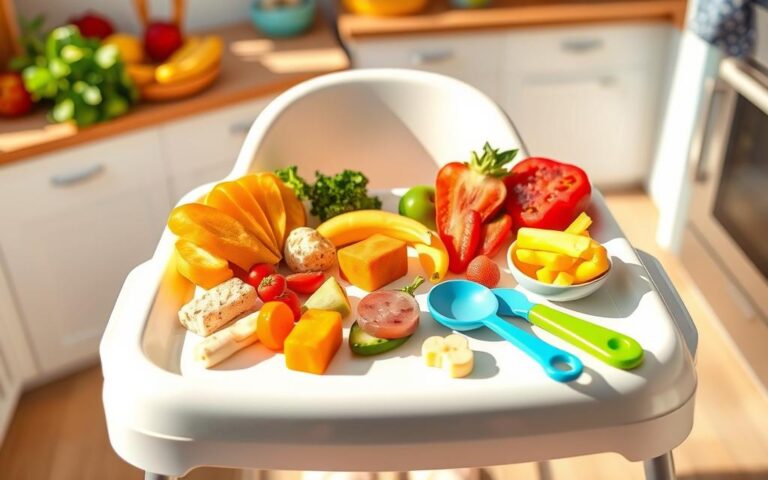
How to Safely Introduce Allergenic Foods

Introducing allergenic foods to kids early can lower allergy risks. New guidelines suggest starting these foods sooner. This is a big change from old advice to wait longer.
Studies show that early exposure to these foods might stop allergies. Now, parents and caregivers are advised to introduce them carefully and safely.
Key Takeaways
- Early introduction of allergenic foods can prevent allergies.
- Recent guidelines recommend introducing these foods early.
- Controlled exposure is key to safe introduction.
- Parents should consult with healthcare providers before introducing allergenic foods.
- A gradual and monitored approach is recommended.
Understanding Food Allergies in Children
It’s important for parents to know about food allergies in kids. Food allergies happen when the body thinks a food is bad and reacts to it. This reaction can be mild or very serious.
What Causes Food Allergies
Food allergies come from genetics, environment, and the immune system. When a child has an allergy, their body overreacts to a food. This can cause symptoms from mild to very dangerous.
Key factors that contribute to food allergies include:
- Genetic predisposition
- Imbalanced gut microbiome
- Environmental factors, such as exposure to allergens at a young age
Most Common Food Allergens
The top food allergens in kids are peanuts, eggs, milk, tree nuts, fish, shellfish, wheat, and soy. These foods cause most allergy reactions. Introducing these foods safely can help prevent allergies.
Studies show that introducing allergenic foods early can lower allergy risk. For instance, introducing peanuts early can cut peanut allergy risk by up to 80%.
The Importance of Early Introduction
Introducing allergenic foods early is now seen as key in preventing allergies. This method has become more popular in recent years. It’s believed to lower the chance of allergies in kids.
Changing Guidelines on Allergenic Foods
Guidelines on introducing allergenic foods have changed a lot. Before, parents were told to wait longer before introducing these foods. Now, experts say to start introducing them around 4-6 months old. This change is based on new research that questions the old way of avoiding these foods.
Research Supporting Early Introduction
Research shows introducing allergenic foods early can lower allergy risk. For example, studies on peanuts have found a big drop in peanut allergy in kids introduced to them early. Here are some key findings from recent studies:
| Study | Allergenic Food | Findings |
|---|---|---|
| LEAP Study | Peanuts | 80% reduction in peanut allergy risk |
| STAR Study | Eggs | Reduced risk of egg allergy |
When to Start Introducing Allergenic Foods
The American Academy of Pediatrics offers guidelines on introducing allergenic foods. This can be very helpful for parents. Starting these foods at the right time can greatly affect your child’s health. It might even lower the chance of allergies.
Age-Appropriate Guidelines
The American Academy of Pediatrics suggests introducing allergenic foods at 4-6 months. This advice comes from studies that show early introduction can help prevent allergies. Always talk to your pediatrician to find the best timing for your baby.
Age-appropriate introduction is very important. Babies at high risk of allergy might start as early as 4 months. Others might start around 6 months.
Signs Your Baby is Ready
Before introducing allergenic foods, look for signs of readiness in your baby. These signs include good head and neck control, sitting up with support, and interest in food. Your baby should also have started solid foods and be ready for new tastes and textures.
Watching your baby’s development and adjusting the introduction of allergenic foods is key. It helps ensure a smooth transition to a diverse diet.
Preparing Before You Begin
To ensure a safe introduction of allergenic foods, parents must prepare ahead of time. This involves understanding the necessary precautions and having a plan in place.
Talking to Your Pediatrician First
It’s important to talk to a pediatrician before introducing allergenic foods. This is even more critical if there’s a family history of allergies. The pediatrician can give advice based on your child’s health history and risk factors. Schedule a consultation to discuss the best approach for your child.
Creating an Emergency Action Plan
An Emergency Action Plan is vital in case of an allergic reaction. This plan should include symptoms to watch for, such as hives, swelling, or difficulty breathing. It should also outline steps to take, like administering epinephrine if prescribed, and contacting emergency services. “Having a plan in place can significantly reduce the risk of a severe reaction,” as noted by allergy experts. Ensure all caregivers are aware of the plan.
How to Safely Introduce Allergenic Foods (Peanuts, Eggs, etc.)
Introducing peanuts and other allergenic foods to your toddler needs careful planning. It’s key to prevent allergic reactions and keep your child safe.
The Three-Day Rule
The Three-Day Rule is a simple way to introduce new foods. It means adding a new food and waiting three days before trying another. This helps you watch for any signs of an allergic reaction.
Starting with Small Amounts
Start with a small amount of allergenic foods to avoid severe reactions. Begin with a tiny bit, like a pinch of peanut butter or a small piece of cooked egg. If no reaction happens, you can slowly increase the amount.
Proper Food Preparation Techniques
It’s important to prepare allergenic foods correctly. For example, give peanuts as peanut butter to avoid choking. Cook eggs well to lower the risk of salmonella. Here’s a table with some key preparation tips:
| Food | Preparation Method |
|---|---|
| Peanuts | Peanut butter or finely ground peanuts |
| Eggs | Cooked thoroughly, such as hard-boiled or scrambled |
| Tree Nuts | Ground or finely chopped to prevent choking |
By following these steps and watching your child’s reactions, you can safely add allergenic foods to their diet.
Introducing Peanuts and Tree Nuts
Introducing peanuts carefully can lower the risk of an allergic reaction. It’s key to know the risks and how to avoid them when introducing peanuts and tree nuts.
Safe Forms of Peanuts for Babies
Choosing the right peanut form is vital for safe introduction. There are two good methods:
- Peanut Butter Dilution Method: Mixing peanut butter with breast milk or water lowers the risk of an allergic reaction.
- Peanut Powder Options: Introducing peanuts through peanut powder is also safe.
Peanut Butter Dilution Method
Mixing peanut butter with breast milk or water makes it safer. Start with a small amount and watch your baby closely.
Peanut Powder Options
Peanut powder can be added to other foods, making it a good introduction option. Make sure the powder is finely ground to avoid choking.
Monitoring for Reactions to Nuts
When introducing peanuts and tree nuts, watch for any signs of an allergic reaction. Common signs include:
- Skin rashes or hives
- Swelling, like in the face, lips, or tongue
- Vomiting or diarrhea

Introducing Eggs to Your Child
Adding eggs to your child’s diet is a big step in their nutrition. Eggs are packed with protein, vitamins, and minerals that help them grow. But, it’s important to introduce them safely to avoid allergic reactions.
Cooked vs. Raw Egg Considerations
Deciding between cooked or raw eggs is key. Cooked eggs are safer because they kill harmful bacteria like Salmonella. This is important for young children. Raw eggs can have Salmonella, which is risky.
Start with cooked eggs. Scrambled, hard-boiled, or poached eggs are safe for babies. They ensure the eggs are free from harmful bacteria.
Egg-Based Recipes for Babies
Eggs can be part of a baby’s diet in many ways. Here are some easy and healthy recipes:
Simple Egg Yolk Preparations
Begin with egg yolks for young babies. They are less likely to cause allergies than egg whites. Hard-boil an egg, mash the yolk, and mix it with breast milk or formula.
Incorporating Eggs into Other Foods
Once your baby gets used to eggs, add them to other foods. Chop hard-boiled eggs finely and add them to mashed veggies. Or mix scrambled eggs with pureed fruits.
| Recipe | Age Group | Preparation Method |
|---|---|---|
| Scrambled Eggs | 8+ months | Scramble eggs with a little milk, serve with toast or rice |
| Egg Yolk Mash | 6+ months | Boil egg, mash yolk, mix with breast milk or formula |
| Egg and Veggie Mash | 8+ months | Boil egg, chop finely, mix with mashed veggies |
By trying different egg recipes, your child can enjoy this nutritious food. This helps them grow while reducing allergy risks.
Introducing Dairy Products
Introducing dairy to your child is a big step. It’s packed with calcium, protein, and vitamins D and B12. These are key for strong bones and health.
Differentiating Between Milk Allergy and Lactose Intolerance
It’s important to know the difference between a milk allergy and lactose intolerance before starting. A milk allergy is an immune reaction to milk proteins. Lactose intolerance is when you can’t digest lactose, a milk sugar, because you lack the lactase enzyme.
Milk Allergy: Symptoms include hives, itching, swelling, stomach cramps, diarrhea, and in severe cases, anaphylaxis.
Lactose Intolerance: Symptoms include bloating, gas, diarrhea, and stomach cramps, usually after eating lactose-containing products.
| Condition | Symptoms | Cause |
|---|---|---|
| Milk Allergy | Hives, itching, swelling, stomach cramps, diarrhea, anaphylaxis | Immune reaction to milk proteins |
| Lactose Intolerance | Bloating, gas, diarrhea, stomach cramps | Inability to digest lactose due to lactase deficiency |
Safe Dairy Introduction Methods
Start with dairy products that are less likely to cause an allergic reaction. Yogurt and cheese are good choices because they have less lactose than milk and are often easier to digest.
Starting with Yogurt and Cheese
Yogurt and cheese are tasty and safe for introducing dairy. They have probiotics that help with digestion and are less likely to cause an allergic reaction.
- Begin with small amounts (about 1-2 teaspoons) of plain, full-fat yogurt or a small piece of cheese.
- Watch for any signs of an allergy or intolerance, such as rash, digestive issues, or respiratory problems.
Transitioning to Milk
Once your child is okay with yogurt and cheese, you can start introducing milk. Start with small amounts mixed with other foods or as a drink, and gradually increase the amount.
“The introduction of dairy products should be done gradually and with careful observation for any adverse reactions.”
By understanding the differences between milk allergy and lactose intolerance and starting with safer dairy products like yogurt and cheese, parents can introduce dairy to their child’s diet in a healthy and safe manner.
Introducing Wheat, Soy, and Other Grains
Introducing wheat, soy, and other grains is a big step in expanding your child’s diet. These foods are packed with fiber, vitamins, and minerals. They are great for a child’s health.
Wheat and Gluten Introduction
When you start with wheat and gluten, do it slowly. Begin with small amounts of wheat-based foods or purees. This helps you see if your child can handle them.
Most kids can eat gluten without problems. But some might have celiac disease or other gluten issues.
| Age | Wheat Introduction Method | Monitoring |
|---|---|---|
| 6-8 months | Single-ingredient wheat cereal | Watch for signs of allergy or intolerance |
| 8-12 months | Gradually introduce wheat-based purees | Continue monitoring for adverse reactions |
Soy Products for Babies
Soy products can be introduced as pureed soybeans or soy-based formulas. Soy is a good protein source. It’s important to watch for soy allergy signs like rashes or stomach problems.
Start with a small amount of soy products. Then, slowly increase the amount while watching for any bad reactions.
Introducing Seafood and Fish
Introducing seafood and fish to your child’s diet can be good, but it must be done safely. Fish is full of omega-3 fatty acids, which are great for brain and eye health. But, some fish have a lot of mercury, a toxin that can harm the nervous system.
Mercury Concerns vs. Allergy Concerns
When adding seafood and fish, parents need to weigh mercury risks against allergy risks. Mercury concerns mainly depend on the fish type and its mercury level. Fish like shark, swordfish, and king mackerel have too much mercury and should be avoided. But, allergic reactions can happen with any fish, so watching your child’s reaction is key.
Best First Fish Options for Babies
For a safe start, choose fish low in mercury and less likely to cause allergies. Some of the best first fish are salmon, cod, and tilapia. These fish are low in mercury and rich in omega-3 fatty acids. Make sure to cook the fish well to avoid bacteria or parasites.
Recognizing Allergic Reactions
It’s important to spot allergic reactions early to keep your child safe. These reactions happen when the body mistakes a harmless thing, like food, for a threat. They can be mild or very serious.
Mild vs. Severe Reaction Symptoms
It’s key to know the difference between mild and serious symptoms of allergic reactions.
Skin Reactions
Skin issues like rashes, hives, or itching are common. They can be annoying but usually aren’t dangerous.
Digestive and Respiratory Symptoms
Stomach problems like vomiting or diarrhea can happen. So can breathing issues like coughing, wheezing, or shortness of breath. These might mean a more serious problem.
Anaphylaxis Warning Signs
Anaphylaxis is a very serious allergic reaction that needs quick help. Look out for swelling of the face, lips, tongue, or throat, difficulty breathing, and a rapid heartbeat.
When to Call Emergency Services
If your child shows signs of anaphylaxis, like trouble breathing or a fast heartbeat, call emergency services right away. Also, give any epinephrine auto-injectors, like an EpiPen, as directed.
- If symptoms get worse or don’t get better with treatment
- If you’re not sure how serious the reaction is
- If your child has had severe allergic reactions before
Being ready and knowing when to get help is vital for handling allergic reactions.
Conclusion
Introducing allergenic foods safely to your child is key to lowering allergy risks. Knowing the causes and common allergens helps protect your child’s health.
Starting with small amounts of allergens and watching for reactions is important. Having a plan for emergencies is also vital. This approach is supported by research and shows the need for knowledge in preventing food allergies.
Following the guidelines in this article can help reduce risks. This includes the three-day rule, starting with small amounts, and proper food preparation. Being informed and careful is essential for your child’s safety and a healthy relationship with food.
Using these strategies can greatly benefit your child’s health. It lets them enjoy a wide variety of foods without worrying about severe allergic reactions. With the right steps, introducing allergenic foods can be safe and easy.