
Decoding Baby Poop: Nutrition Secrets Revealed
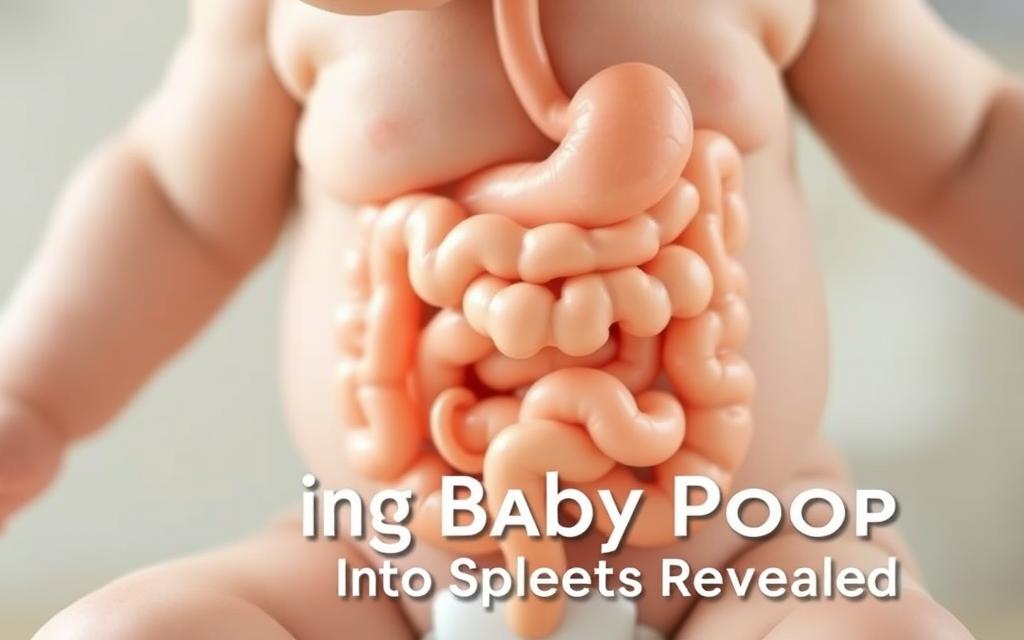
As a new parent, you might worry about your baby’s digestive health. Katrina Anne Valera, MD, DPPS, DPSPGHAN, says, “Your child’s poop can say a lot about their health.” The look of your baby’s stool can tell you a lot about their nutritional intake and health.
Looking at the color, consistency, and how often your baby poops can tell you a lot. It shows you how their digestive system is working. This info helps you make better choices for their diet. It ensures they get the nutrients they need to grow and develop well.
Key Takeaways
- Baby poop characteristics can indicate digestive health.
- Stool color, consistency, and frequency reveal nutritional insights.
- Understanding these signs can inform dietary decisions.
- Monitoring baby poop helps identify possible health issues.
- A healthy digestive system is key for overall well-being.
The Basics of Baby Poop
Understanding baby poop is key for new parents. It’s not the most exciting topic, but it’s vital for their baby’s health.
What’s Normal and What’s Not
Baby poop can vary in color and texture. What’s normal for one baby might not be for another. The first poop, called meconium, is usually black or dark green and sticky.
Newborn Meconium
Meconium is made from things the baby swallowed in the womb. It includes cells, hair, mucus, and bile. Babies pass meconium in the first 24 hours after birth.
Transitional Stools
When babies start eating, their poop changes. Transitional stools are greenish-brown. They show the digestive system is adjusting to new foods.
Frequency Changes by Age
The number of times a baby poops changes as they grow. Newborns poop often, while older babies poop less. Breastfed babies poop more than formula-fed ones.
The Role of Gut Bacteria in Digestion
Gut bacteria are vital for digestion. They break down food, absorb nutrients, and make vitamins. A healthy balance of gut bacteria is key for a baby’s digestive health.
Understanding Baby Poop: What It Tells About Nutrition
Baby poop is more than just a dirty diaper; it’s a window into their digestive health and nutrition. As parents navigate the world of childcare, understanding the nuances of their baby’s stool can provide valuable insights into their overall health.
The Gut-Nutrition Connection
The gut and nutrition are intricately connected in infants. The type of feeding, whether breastfeeding or formula feeding, significantly affects the gut microbiota. A balanced gut microbiome is key for proper digestion and nutrient absorption.
How Different Nutrients Affect Stool
Nutrients play a vital role in shaping a baby’s stool. Knowing how different nutrients affect stool can help parents make informed decisions about their baby’s diet.
Proteins and Fats
Proteins and fats are essential nutrients that can influence a baby’s stool. For instance, a diet high in certain proteins can lead to changes in stool frequency.
Carbohydrates and Fiber
Carbohydrates and fiber also have a significant impact on a baby’s digestive health. The introduction of new carbohydrates can sometimes cause changes in stool consistency and frequency.
As stated by Katrina Anne Valera, MD, DPPS, DPSPGHAN, “Once solid foods are introduced at six months of age, whether they are breastfed or formula-fed, a baby’s poop becomes more solid and formed.” This change is a significant milestone in a baby’s digestive development.
Digestive Development Milestones
As babies grow, their digestive system matures, and their stool characteristics change. Monitoring these changes can provide insights into their digestive health.
| Age | Stool Characteristics | Nutritional Influence |
|---|---|---|
| 0-3 months | Frequent, loose stools | Breast milk or formula |
| 4-6 months | Changes with introduction of solids | Solid foods introduction |
| 6+ months | More solid and formed stools | Diverse solid foods |
Understanding the connection between a baby’s diet and their stool is key for their growth and development. By monitoring changes in their stool and adjusting their diet, parents can help maintain their baby’s digestive health.
The Color Spectrum of Baby Poop
The color of a baby’s stool can change a lot. It depends on if they are breastfed or formula-fed. Knowing these changes helps parents see what’s normal and when to worry.
Yellow and Orange: Breastfed Babies
Babies who are breastfed often have yellow or orange poop. This is because of the nutrients in breast milk. Their poop is usually seedy or curdy, showing they’re digesting well.
Brown Shades: Formula-Fed Babies
Formula-fed babies have brown or tan poop. The color can change based on the formula. Brown poop is usually a sign of good digestion, but watch for any big changes.
Green Variations: What They Mean
Green poop can be a worry, but it’s often okay. For breastfed babies, green poop might mean they’re not getting enough hindmilk. This can happen if feedings are too short or too often.
Foremilk-Hindmilk Imbalance
Not getting enough hindmilk can cause green poop and other issues like gas and fussiness. Hindmilk is full of fats and calories.
Iron Supplementation Effects
Iron supplements can also make a baby’s poop green or even black. This is because iron can change the color of the stool.
Red, Black, and White: When to Worry
Certain poop colors need a doctor’s check-up. Red poop might mean there’s bleeding in the digestive tract. Black poop could also mean bleeding, but it’s less scary if the baby is on iron. White or pale poop might show a liver or bile problem.
| Stool Color | Possible Cause | Concern Level |
|---|---|---|
| Yellow/Orange | Breastfed baby | Normal |
| Brown/Tan | Formula-fed baby | Normal |
| Green | Foremilk-hindmilk imbalance, Iron supplements | Monitor |
| Red | Bleeding in digestive tract | High |
| Black | Bleeding, Iron supplements | High/Monitor |
| White/Pale | Liver issue, Bile production problem | High |
Consistency Matters: Texture and Form
Baby poop comes in different textures and forms. Understanding these can help you know how their digestive system is doing. As a parent, watching these changes can give you important clues about your baby’s health.
Runny vs. Firm Stools
The texture of baby stool can vary from runny to firm. Runny stools are often seen in breastfed babies. On the other hand, formula-fed babies usually have firmer stools. But, if you notice big changes, it’s time to talk to a pediatrician.

Mucus in Baby Poop: Causes and Solutions
Mucus in baby poop can be normal or a sign of a problem. “Sometimes, mucus means there’s an infection or allergy,” says Dr. Jane Smith, a pediatrician. It can be caused by a food reaction or an infection. If you see a lot of mucus, it’s best to see your pediatrician.
Seedy Textures Explained
Seedy textures are common in breastfed babies. They usually mean the baby’s digestive system is healthy. But, when your baby starts eating solid foods, you might see undigested food particles in their stool.
Undigested Food Particles
When babies start eating solid foods, they might have undigested food in their stool. This is because their digestive system is learning to handle these new foods. If you see a lot of undigested food, it could mean the food isn’t cooked right or that your baby is sensitive to it.
Breastfeeding and Baby Poop
Mothers often wonder how their diet affects their baby’s digestive health. Breastfeeding not only nourishes the baby but also affects their digestive system. This includes the characteristics of their stool.
How Maternal Diet Affects Baby’s Stool
The food a breastfeeding mother eats can greatly impact her baby’s stool. Some foods can cause sensitivities, leading to changes in the baby’s stool. For example, if a mother eats dairy and the baby is sensitive to it, the baby’s stool might change.
Common Food Sensitivities
Some common food sensitivities that can affect a breastfed baby’s stool include:
- Dairy: Proteins from dairy products can pass through breast milk and cause reactions.
- Spicy Foods: While not typically causing a direct reaction, a mother’s consumption of spicy foods can sometimes result in a change in the baby’s stool.
- Caffeine: High levels of caffeine can affect the baby’s digestive system.
Exclusive Breastfeeding Patterns
When a baby is exclusively breastfed, their stool tends to be softer. It may have a different consistency compared to formula-fed babies. The frequency and characteristics of the stool can vary widely among breastfed babies.
Changes During Weaning
As the baby starts to wean off breast milk and begins eating solid foods, their stool patterns and characteristics change. The introduction of solid foods can lead to a more adult-like stool consistency. It may also introduce new variables that affect digestion.
In conclusion, breastfeeding has a profound impact on a baby’s digestive health. Understanding how the maternal diet influences the baby’s stool can help mothers make informed decisions about their diet during breastfeeding.
Formula Feeding and Stool Changes
Formula feeding brings new changes to baby poop. Different formulas can lead to different stool types. It’s important for parents to know these changes to keep their baby’s digestive health good.
Different Formulas, Different Poops
The type of formula can greatly affect a baby’s stool. For example, cow’s milk-based formulas make stools thicker and smellier than breastfed babies.
Standard vs. Specialized Formulas
Special formulas, like those for sensitive stomachs or allergies, can change stool types. For example, a formula for sensitive tummies might make stools softer or help with constipation.
| Formula Type | Stool Characteristics |
|---|---|
| Standard Cow’s Milk | Thicker, smellier |
| Specialized (Sensitive Stomachs) | Softer, potentially less smelly |
| Hypoallergenic | Variable, often less gas |
Switching Formulas: What to Expect
Changing formulas can cause temporary changes in stool. This includes color, consistency, and how often it happens. Parents should watch these changes to make sure they’re normal.
“When we switched to a hypoallergenic formula, we noticed a significant reduction in our baby’s gas and discomfort. The change in stool was also noticeable, becoming less smelly and more consistent.”
Supplementing with Formula: Mixed Patterns
Mothers who mix breastfeeding with formula might see mixed stool types. This can make stools more variable in color, consistency, and frequency.
Knowing how formula feeding affects baby poop helps parents understand infant digestion better. This knowledge helps them make good choices for their baby’s nutrition.
Introducing Solids: The Great Poop Transformation
When babies start eating solid foods, it’s a big step in their digestive growth. They try new tastes and textures, and their poop changes a lot. This change is not just about the food but also how their body adjusts to it.
First Foods and Their Effects on Digestion
The first foods babies eat can really affect their digestion. Foods like pureed fruits and veggies can change the color and feel of their stool. For example, beets can make stool turn red, and spinach can make it green. These changes are usually okay, but they can worry new parents.
Common Food Reactions to Watch For
As babies eat solid foods, parents should watch for certain stool changes. Some foods can make stool hard and hard to pass, leading to constipation. Others can cause diarrhea, with loose, watery stools. Watching these signs can help figure out which foods don’t agree with their baby.
Fiber’s Impact on Baby Digestion
Fiber is key for a baby’s digestive health. Foods rich in fiber can help keep bowel movements regular and prevent constipation. But, too much fiber can also cause gas and discomfort.
High-Fiber Foods and Constipation
It might seem odd, but high-fiber foods can sometimes help with constipation. Foods like pureed prunes or peas can be good. But, it’s important to add these foods slowly to avoid upset stomachs.
Tracking Food Sensitivities Through Stool Changes
Watching stool changes can help find out if a baby has food sensitivities. If a food causes a bad reaction, it might lead to diarrhea, constipation, or even blood in the stool. Keeping a food diary can help track these changes and find out which foods are troublemakers.
In conclusion, introducing solids is a big step for babies, with its own set of challenges. By knowing how different foods affect their digestion and watching for stool changes, parents can help their babies through this time smoothly.
Common Digestive Issues and Their Poop Clues
Digestive health is key for a baby’s health. Changes in their stool can show problems. Knowing these signs helps parents spot issues early.
Constipation: Causes and Solutions
Constipation in babies can come from formula feeding, dehydration, or dietary changes. Look for hard, pellet-like stools or trouble passing them. Drinking enough water and changing their diet can help.
Diarrhea: When to Be Concerned
Diarrhea means loose, watery stools. It might be from infections, food sensitivities, or antibiotics. If it keeps going, it can cause dehydration. Always check with a pediatrician if it doesn’t stop.
Signs of Food Allergies and Intolerances
Food allergies and intolerances show up in stool changes. Dairy and gluten sensitivities are common. Look for diarrhea, blood in stool, or mucus. Removing the problem food can fix it.
Dairy and Gluten Sensitivities
Dairy sensitivity can cause diarrhea or constipation. Gluten sensitivity leads to diarrhea or fatty stools. If you think it’s a problem, talk to a healthcare provider about what to eat.
Malabsorption Indicators
Malabsorption means the body can’t take in nutrients. Look for fatty stools or undigested food particles. It might need diet changes or supplements.
Conclusion: The Parent’s Guide to Healthy Baby Digestion
Understanding baby poop is key to keeping their digestion healthy. By watching for changes in stool, parents can help their baby’s digestive system. This proactive approach is important for their health.
Baby poop shows a lot about their nutrition and health. The color, texture, and how often they poop can tell if they’re digesting food well. Knowing what’s normal helps parents make better food choices for their baby.
By noticing changes in baby poop, parents can spot issues early. This could be signs of food allergies or intolerances. Talking to a pediatrician about these signs is a big step towards supporting their baby’s health.
Knowing what baby poop says about nutrition and health lets parents be more involved in their baby’s care. They can make choices that help their baby grow and develop healthily.