10 Pregnancy Superfoods Scientifically Proven

A healthy pregnancy diet is key for both mom and baby’s health. The foods you choose are important for the baby’s growth and your health.
Nutrition during pregnancy is more than just eating more. It’s about eating the right foods. The right foods can prevent problems and help the baby grow.
A diet full of essential nutrients is important for a healthy pregnancy. Some foods, called superfoods, are especially good because they are very nutritious.
Key Takeaways
- Eating a balanced diet is crucial during pregnancy.
- Nutrition impacts both fetal development and maternal health.
- Certain superfoods are scientifically proven to be beneficial.
- A healthy diet can help prevent pregnancy complications.
- Essential nutrients play a significant role in a healthy pregnancy.
The Science of Nutrition During Pregnancy
Pregnancy brings big changes to the body, including how it needs food. The body works hard to help the fetus grow, needing more of some nutrients.
How Nutritional Needs Change During Pregnancy
When you’re pregnant, your body needs more nutrients to help the fetus grow. You’ll need more folate, iron, and omega-3 fatty acids.
First Trimester Requirements
In the first three months, folate is key to prevent birth defects. Eating foods high in folate, like leafy greens and fortified cereals, is very important.
Second and Third Trimester Adjustments
Later in pregnancy, you’ll need more iron and omega-3 fatty acids. Iron helps with the extra blood you’re making. Omega-3s are important for the baby’s brain.
Why Certain Foods Are Considered “Superfoods” for Pregnancy
“Superfoods” are foods packed with nutrients that are good for you. During pregnancy, they’re especially helpful because they’re full of vitamins and minerals.
Nutrient Density and Bioavailability
Nutrient density means a food is full of nutrients but not too many calories. Bioavailability is also key. It’s how well your body can use these nutrients.
Research-Backed Benefits
Many studies show that certain “superfoods” are great for pregnant women. For example, foods with omega-3s help the baby’s brain grow and might lower the chance of early birth.
Top 10 Pregnancy Superfoods Backed by Science
Scientific studies show certain foods are great for pregnant women. These foods are full of nutrients that help both mom and baby stay healthy.
What Makes These Foods Essential for Expectant Mothers
These superfoods have important nutrients like omega-3 fatty acids, folate, and calcium. Omega-3 fatty acids are good for the heart. Folate helps prevent birth defects in the brain and spine.
How These Superfoods Support Fetal Development
These foods help in many ways for the baby’s growth.
Brain and Nervous System Development
Foods with omega-3 fatty acids and choline are great for the baby’s brain and nervous system.
Bone and Tissue Formation
Nutrients like calcium and vitamin D help form the baby’s bones and tissues.
The top 10 pregnancy superfoods include leafy greens, fatty fish, Greek yogurt, eggs, sweet potatoes, legumes, berries, avocados, nuts, and whole grains. You can add these to your diet in many ways.
- Leafy greens rich in folate
- Fatty fish high in omega-3 fatty acids
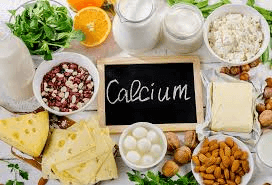
- Greek yogurt rich in calcium
- Eggs providing choline
- Sweet potatoes rich in vitamin A
These superfoods help the baby grow and keep the mom healthy too.
Superfood #1: Leafy Greens
Leafy greens are among the best superfoods for pregnant women. They are packed with nutrients that support the health of both mom and baby.
Nutritional Profile: Folate, Iron, and Calcium
Leafy greens are full of folate, iron, and calcium. Folate helps prevent neural tube defects. Iron fights anemia in both mom and baby. Calcium is key for the baby’s bone growth.
Scientific Evidence Supporting Benefits
Many studies show leafy greens are great for pregnant women. Their folate content helps avoid neural tube defects. These defects occur when the baby’s spine or brain doesn’t form right.
Neural Tube Defect Prevention
Research proves that enough folate before and during pregnancy lowers neural tube defect risk.
Anemia Prevention Research
Iron in leafy greens prevents anemia. Anemia is when you don’t have enough red blood cells. It’s important for both mom and baby to get enough oxygen.
Best Ways to Incorporate Into Your Pregnancy Diet
To get the most from leafy greens, cook them right. Steaming or sautéing is best. These methods keep the nutrients in.
Cooking Methods That Preserve Nutrients
Steaming leafy greens for 3-5 minutes or sautéing with olive oil keeps them nutritious. Don’t overcook to save the vitamins and minerals.
Adding leafy greens to your diet is easy. Put them in salads, smoothies, or as a side dish. Their nutritional value and versatility make them a great choice for pregnant women.
Superfood #2: Salmon and Fatty Fish
Fatty fish, especially salmon, are packed with DHA. This is key for the brain growth of a fetus during pregnancy. The omega-3 fatty acids in these fish are vital for the health and growth of the fetus.
Omega-3 Fatty Acids and Brain Development
Omega-3 fatty acids, especially DHA, are crucial for brain and eye growth in a fetus. Research shows that enough DHA during pregnancy can boost a child’s cognitive abilities.
Research on DHA Benefits During Pregnancy
Studies have found that DHA supplements during pregnancy can improve cognitive development. They also lower the risk of preterm birth.
Cognitive Development Studies
Many studies link maternal DHA intake to better cognitive development in infants.
Reduced Preterm Birth Risk
DHA supplements are linked to a lower risk of preterm birth. This is key in reducing infant mortality and morbidity.
Safe Consumption Guidelines During Pregnancy
While fatty fish are good, pregnant women must be aware of mercury risks. It’s important to choose low-mercury fish.
Mercury Concerns and Best Fish Choices
To avoid mercury, pregnant women should eat low-mercury fish like salmon, sardines, and anchovies. The table below shows safe fish options.
| Fish Type | Mercury Level | Recommended Consumption |
|---|---|---|
| Salmon | Low | 2-3 servings/week |
| Sardines | Low | 2-3 servings/week |
| Shark | High | Avoid |
Superfood #3: Greek Yogurt and Kefir
Greek yogurt and kefir are great for pregnant women. They offer protein, calcium, and probiotics. These fermented dairy products are tasty and full of nutrients for a healthy pregnancy.
Protein, Calcium, and Probiotic Benefits
Greek yogurt and kefir are full of protein. This is key for the fetus’s growth. They also have lots of calcium for the baby’s bones, teeth, and muscles. Plus, they have probiotics for a healthy gut.
Studies on Gut Health and Pregnancy Outcomes
Research shows a healthy gut is good for pregnancy. It can lower the risk of gestational diabetes and boost the immune system.
Gestational Diabetes Research
Eating probiotic-rich foods like Greek yogurt and kefir may help with gestational diabetes.
Immune System Support
The probiotics in these dairy products support the immune system. This can help prevent infections during pregnancy.
Creative Ways to Enjoy Fermented Dairy Products
There are many ways to add Greek yogurt and kefir to your meals. Here are a few ideas:
- Add Greek yogurt to your breakfast cereal or oatmeal.
- Use kefir as a base for smoothies.
- Make a parfait with Greek yogurt, fresh berries, and granola.
Superfood #4: Eggs
Eggs are a superfood packed with nutrients important for a growing fetus. They are full of protein and choline. These are key for a pregnant woman’s diet.
Complete Protein and Choline Content
Eggs have all nine essential amino acids, making them a complete protein. They also have a lot of choline. Choline is vital for the brain development of a fetus.
Research on Choline and Fetal Brain Development
Choline turns into acetylcholine in the brain, which helps with memory and thinking. Studies show that eating more choline during pregnancy can help a child’s brain grow better.
Cognitive Function Studies
Research finds that eating more choline while pregnant can help a child think better.
Neural Tube Development
Choline also helps the neural tube grow. The neural tube is what forms the brain and spinal cord.
Safe Preparation During Pregnancy
To avoid getting sick from food, it’s important to cook eggs safely.
Food Safety Guidelines
- Choose eggs that are fresh and stored properly in the refrigerator.
- Cook eggs until the yolks are firm, and avoid consuming raw or undercooked eggs.
| Nutrient | Value per Large Egg |
|---|---|
| Protein | 6 grams |
| Choline | 125 mg |
| Vitamin D | 6% of the Daily Value |
Superfood #5: Sweet Potatoes
Sweet potatoes are packed with beta-carotene and complex carbs. They are great for a pregnancy diet. They offer key nutrients for mom and baby’s health.
Vitamin A, Fiber, and Complex Carbohydrates
Sweet potatoes are full of vitamin A, mainly beta-carotene. This is vital for eyes and immune health. They also have fiber and complex carbs for energy and digestion.
Scientific Evidence on Beta-Carotene Benefits
Research shows beta-carotene is key for fetal growth. It helps with vision and immune system development.
Vision Development Research
Studies say beta-carotene boosts fetal vision. It turns into vitamin A, crucial for the retina and vision.
Immune System Support
Beta-carotene also boosts the immune system. It protects cells and helps make immune cells. This lowers infection risk during pregnancy.
Versatile Recipes for Pregnancy Nutrition
Sweet potatoes fit in many dishes, from savory to sweet. They can be baked, mashed, or roasted. They’re great for pregnancy nutrition.
| Nutritional Benefit | Role During Pregnancy |
|---|---|
| Vitamin A (Beta-carotene) | Supports vision development and immune function |
| Fiber | Aids in digestion and prevents constipation |
| Complex Carbohydrates | Provides sustained energy |

“The nutrient-rich sweet potato is an excellent food choice during pregnancy, providing essential vitamins and minerals that support fetal development and maternal health.”
Pregnant women can get many health benefits from sweet potatoes. They support a healthy pregnancy.
Superfood #6: Legumes and Lentils
Legumes and lentils are full of plant protein, iron, and folate. They are great for pregnant women. These foods offer many benefits for a healthy pregnancy.
Plant Protein, Iron, and Folate Content
Legumes and lentils have a lot of plant-based protein. This is good for pregnant women who don’t eat meat. They also have iron and folate, which are important for the baby’s growth.
Research on Plant Proteins During Pregnancy
Research shows that plant proteins help control blood sugar. They also support healthy weight gain during pregnancy.
Blood Sugar Regulation
Eating legumes and lentils helps keep blood sugar levels stable. This is because they have a low glycemic index and lots of fiber.
Sustainable Weight Gain
Legumes and lentils are full of nutrients. They help with healthy weight gain. This reduces the risk of pregnancy problems.
Easy Meal Ideas for Daily Consumption
It’s easy to add legumes and lentils to your meals. Here are some ideas:
- Add lentils to soups and stews
- Make a hearty lentil salad with vegetables
- Use legumes in place of meat in some meals
Here’s a nutritional comparison of various legumes and lentils:
| Legume/Lentil | Protein Content (g) | Iron Content (mg) | Folate Content (mcg) |
|---|---|---|---|
| Lentils | 18 | 6.6 | 358 |
| Chickpeas | 15 | 4.7 | 282 |
| Black Beans | 15 | 3.9 | 256 |
Superfood #7: Berries
Berries are a nutritional powerhouse, offering a delicious way to boost antioxidant intake during pregnancy. These small fruits are packed with vitamins, minerals, and antioxidants that provide numerous health benefits.
Antioxidants, Vitamin C, and Fiber Benefits
Berries are rich in antioxidants, vitamin C, and fiber, making them an excellent choice for pregnant women. The high antioxidant content in berries helps protect against oxidative stress. Vitamin C supports immune function, and fiber aids in digestion.
Nutritional Highlights:
- High in antioxidants
- Rich in vitamin C
- Good source of dietary fiber
Studies on Flavonoids and Pregnancy Health
Research has shown that the flavonoids present in berries may have beneficial effects on pregnancy health. These compounds have been associated with reduced inflammation and improved cardiovascular health.
Preeclampsia Risk Reduction
Some studies suggest that consuming berries may help reduce the risk of preeclampsia, a condition characterized by high blood pressure during pregnancy. The antioxidants and flavonoids in berries are thought to contribute to this protective effect.
Cellular Protection Research
Berries have been found to offer cellular protection due to their high antioxidant content. This can help safeguard against cell damage and support overall health during pregnancy.
Seasonal Options and Preparation Tips
Berries are available in various forms and can be enjoyed throughout the year. Fresh berries are a great addition to salads, yogurt, or oatmeal. Frozen berries can be used in smoothies or baked goods.
| Types of Berries | Nutritional Benefits | Preparation Ideas |
|---|---|---|
| Blueberries | High in antioxidants, vitamin C | Add to oatmeal or yogurt |
| Strawberries | Rich in vitamin C, fiber | Enjoy fresh or in salads |
| Raspberries | Good source of fiber, antioxidants | Use in smoothies or desserts |
Superfood #8: Avocados
Avocados are packed with nutrients that are great for pregnant women. They have healthy fats, potassium, and B vitamins. These are key for the baby’s growth and the mom’s health.
Healthy Fats, Potassium, and B Vitamins
Avocados are full of monounsaturated fats. These fats help the body absorb nutrients and support the baby’s growth. They also have potassium, which is good for blood pressure. Plus, they have B vitamins for energy and brain development.
Research on Monounsaturated Fats in Pregnancy
Studies show that monounsaturated fats in avocados are good for the baby and the mom’s heart. This is important for a healthy pregnancy.
Fetal Growth Studies
Avocado nutrients help with healthy baby growth, especially the brain and body.
Maternal Heart Health
The fats in avocados also help the mom’s heart. They improve cholesterol and lower heart disease risk.
Beyond Guacamole: Creative Serving Ideas
Avocados are not just for guacamole. They can be used in many dishes. Here are some ideas:
- Add sliced avocado to sandwiches or salads
- Make avocado smoothies with your favorite fruits
- Use avocado as a topping for omelets or toast
| Nutrient | Benefit | Amount in 1 Avocado |
|---|---|---|
| Healthy Fats | Supports fetal development | 30g |
| Potassium | Maintains healthy blood pressure | 708mg |
| B Vitamins | Essential for energy production | Various |
Superfood #9: Nuts and Seeds
Nuts and seeds are great for pregnant women. They help with fetal growth and might lower allergy risks. These foods are packed with essential minerals and healthy fats, making them perfect for a snack.
Essential Minerals and Healthy Fat Content
Nuts and seeds are full of magnesium, zinc, and healthy fats. These are key for the baby’s growth and the mom’s health.
Scientific Evidence on Nut Consumption Benefits
Research shows nuts and seeds are good for pregnant women. They help the baby’s brain grow and might lower allergy risks in kids.
Allergy Prevention Research
Studies say eating nuts in pregnancy can lower allergy risks in kids. A New England Journal of Medicine study found early peanut introduction cuts peanut allergy risk by up to 80%.
Brain Development Support
Healthy fats in nuts and seeds, like walnuts, are good for brain growth. Walnuts have DHA, an omega-3 fatty acid important for the baby’s brain.
Portion Control and Daily Recommendations
Even though nuts and seeds are good, they’re high in calories. Pregnant women should eat them in small amounts. A daily serving is about 1 ounce (28g) or a small handful.
| Nut/Seed | Nutritional Benefits | Serving Size |
|---|---|---|
| Almonds | Rich in magnesium and healthy fats | 1 ounce (23 nuts) |
| Chia Seeds | High in omega-3 fatty acids and fiber | 1 ounce (2 tablespoons) |
| Walnuts | Rich in DHA for brain development | 1 ounce (14 halves) |
Superfood #10: Whole Grains
Expectant mothers can greatly benefit from whole grains in their diet. They are packed with fiber, B vitamins, and complex carbohydrates. These nutrients help provide sustained energy and support digestive health during pregnancy.
Fiber, B Vitamins, and Sustained Energy
Whole grains are a great source of dietary fiber. This can help with common pregnancy issues like constipation. They also have B vitamins, including folate, which is key for preventing birth defects.
The complex carbohydrates in whole grains give a steady energy boost. This helps manage the fatigue that often comes with pregnancy.
Research on Complex Carbohydrates During Pregnancy
Studies show that complex carbohydrates in whole grains help regulate blood sugar. This can lower the risk of gestational diabetes. Gestational diabetes is a big concern for both mother and baby.
Gestational Diabetes Prevention
A diet rich in whole grains can lower the risk of gestational diabetes. This is because of the fiber and other nutrients in whole grains. They improve insulin sensitivity and glucose metabolism.
Digestive Health Benefits
The high fiber in whole grains also supports digestive health. It prevents constipation and helps beneficial gut bacteria grow. A healthy gut is key for overall well-being and can affect the immune system and inflammation.
Best Grain Options for Pregnancy Nutrition
Some top whole grain choices for pregnant women are quinoa, brown rice, whole wheat bread, and oatmeal. These grains are full of fiber and B vitamins. They are also easy to add to many meals.
By eating a variety of whole grains, expectant mothers can get important nutrients. This supports a healthy pregnancy.
Creating a Balanced Pregnancy Meal Plan
A pregnancy meal plan with superfoods can tackle morning sickness and heartburn. These foods are packed with vitamins and minerals. They help ensure a healthy pregnancy.
Combining Superfoods for Maximum Benefit
Mixing superfoods like leafy greens with sweet potatoes boosts nutrition. Salmon with avocados is another great combo. For example, iron in leafy greens works better with vitamin C from berries.
Sample Daily Meal Plans by Trimester
Meal plans should change with each trimester. In the first trimester, folate is key. By the third trimester, iron and calcium are more important.
Addressing Common Pregnancy Nutrition Challenges
Morning Sickness Solutions
Eating small meals often and choosing bland foods like crackers helps with morning sickness. Ginger, with its anti-inflammatory effects, can also offer relief.
Heartburn-Friendly Options
Staying away from spicy and fatty foods helps with heartburn. Lean proteins, whole grains, and alkaline foods like yogurt can also help.
By using these tips in a pregnancy meal plan, expectant mothers can tackle common challenges. This supports a healthy pregnancy.
Conclusion: Nourishing Your Pregnancy Journey
A well-nourished pregnancy is key for the baby’s health and growth. Adding superfoods to your diet can offer big benefits. A healthy pregnancy diet helps support your baby’s development.
The top10 pregnancy superfoods include leafy greens, salmon, and Greek yogurt. Also, eggs, sweet potatoes, and legumes are good. Berries, avocados, nuts, and whole grains are too. These foods give important nutrients like folate and omega-3 fatty acids.
By mixing these superfoods into your meals, you get all the nutrients you need. A balanced diet with whole foods supports your baby’s growth. It also lowers the risk of pregnancy problems.
Keeping up a healthy pregnancy diet takes effort and planning. Focus on whole, nutrient-rich foods. Avoid processed and sugary foods. Making smart choices helps your health and your baby’s.