Nourishing Your Pregnancy: First Trimester Nutrition Guide
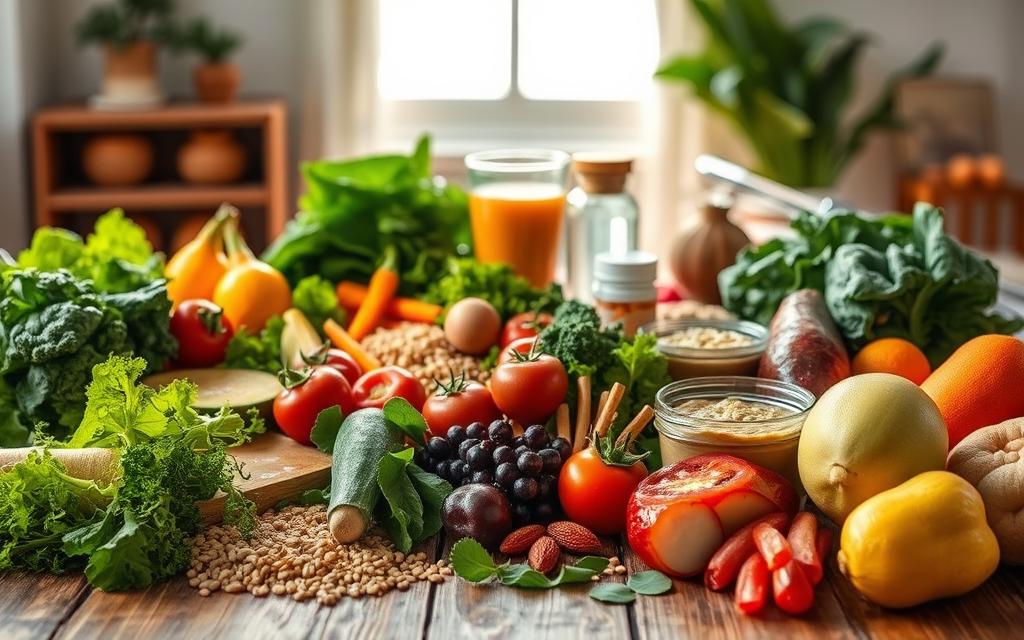
A healthy diet in early pregnancy is key for the baby’s growth and the mother’s health. Mayo Clinic and Johns Hopkins Medicine say good nutrition during this time affects the baby’s development and pregnancy success.
Eating a balanced diet full of important nutrients helps both mom and baby stay healthy. A well-fed body can better handle pregnancy’s challenges and support the baby’s growth.
Key Takeaways
- A healthy diet is crucial during early pregnancy.
- Nutritional choices impact fetal development and pregnancy health.
- A balanced diet supports the mother’s overall health and well-being.
- Essential nutrients play a significant role in pregnancy outcomes.
- Proper nutrition helps the body handle pregnancy demands.
The Critical Importance of Early Pregnancy Nutrition
Nutrition in early pregnancy is key. It sets the stage for the baby’s growth. The choices you make can affect both the mother and the baby’s health.
How Your Nutritional Choices Impact Fetal Development
Your early pregnancy diet affects the baby’s growth. Essential nutrients like folate, iron, and calcium are crucial. They help form the baby’s brain, spine, and vital organs.
“A well-balanced diet rich in these nutrients can significantly reduce the risk of birth defects,” health experts say.
Setting the Foundation for a Healthy Pregnancy
Healthy choices in early pregnancy support the baby’s growth. They also prepare for a healthy pregnancy. Eating whole foods, fruits, and vegetables keeps the mother healthy and supports the pregnancy.
Choosing nutrient-rich foods and avoiding harmful substances boosts the chances of a healthy pregnancy and baby.
First Trimester Nutrition: What to Eat (and Avoid) in Early Pregnancy
Understanding what to eat and avoid in the first trimester is key for a healthy pregnancy. The choices you make affect your baby’s growth and your health.
Overview of Nutritional Needs During Weeks 1-12
The first trimester is a time of fast growth. Johns Hopkins Medicine says you need a diet full of essential nutrients like folate, iron, and calcium. These help your baby grow and keep you healthy.
How Nutritional Requirements Change from Pre-Pregnancy
Nutritional needs change a lot in the first trimester. For example, you need more folic acid for your baby’s brain development. Make sure to eat enough protein and complex carbohydrates.
Balancing Nutrition When You Don’t Feel Well
Morning sickness can make eating hard. Eat small, frequent meals and choose easy-to-digest foods like crackers or plain rice. Drinking water or clear broths helps stay hydrated.
By making smart food choices, you can support your health and your baby’s growth in the first trimester.
Essential Nutrients for Your Baby’s Development
As you enter the first trimester, it’s key to know the nutrients your baby needs. What you eat matters a lot. It helps your baby grow and sets a healthy start for your pregnancy.
Folate and Folic Acid: The Neural Tube Builders
Folate and folic acid are crucial for avoiding neural tube defects. Eat foods like spinach and kale for folate. Folic acid is in fortified cereals and prenatal vitamins. Take 400-800 micrograms of folic acid every day.
Iron: Supporting Your Expanding Blood Volume
Iron helps make hemoglobin, which carries oxygen to your baby. Add iron-rich foods like lean meats and beans to your diet. Vitamin C boosts iron absorption. So, eat foods high in vitamin C, like citrus fruits, with iron-rich foods.
Calcium: Building Baby’s Bones and Teeth
Calcium is key for your baby’s bones, teeth, and muscles. Dairy, leafy greens, and fortified plant-based milk are great sources. Try to get 1,000 mg of calcium daily.
Protein: The Building Blocks of Growth
Protein is vital for your baby’s growth, including tissues and organs. Include lean meats, fish, eggs, and legumes in your meals. Make sure to eat at least 70-100 grams of protein each day.
Omega-3 Fatty Acids: Brain and Eye Development
Omega-3 fatty acids, especially DHA, are important for your baby’s brain and eyes. Find them in fatty fish, nuts, and seeds. Take a prenatal supplement if you’re not getting enough.
| Nutrient | Role in Development | Food Sources |
|---|---|---|
| Folate/Folic Acid | Prevents neural tube defects | Leafy greens, fortified cereals |
| Iron | Supports blood volume expansion | Lean meats, beans, fortified cereals |
| Calcium | Builds bones and teeth | Dairy, leafy greens, fortified plant-based milk |
| Protein | Supports overall growth | Lean meats, fish, eggs, legumes |
| Omega-3 Fatty Acids | Supports brain and eye development | Fatty fish, nuts, seeds |
Getting enough of these nutrients is crucial for your baby’s growth in the first trimester. Always talk to your healthcare provider before changing your diet or adding supplements.
Powerhouse Foods for the First Trimester
Eating well in the first trimester is key for a healthy pregnancy. It helps your baby grow strong. Choosing the right foods can boost your mood and your baby’s health.
Nutrient-Dense Options That Support Early Development
Foods full of nutrients are essential in the first trimester. Leafy greens like spinach and kale are full of folate. This helps prevent birth defects. Berries are tasty and packed with antioxidants and vitamins. Eating a variety of colorful veggies and fruits gives you lots of nutrients.
Easy-to-Digest Foods for Sensitive Stomachs
Morning sickness can make eating hard in the first trimester. Ginger helps calm your stomach. Bananas are easy to digest and full of potassium. Eating small meals often can help with nausea.
Quick and Healthy Snack Ideas
Snacking keeps your energy up and ensures you get enough nutrients. Nuts and seeds are full of healthy fats and proteins. Yogurt gives you calcium and probiotics for a healthy gut.
Superfoods Worth Adding to Your Diet
Some foods are especially good in the first trimester. Salmon has omega-3s for your baby’s brain. Avocados offer healthy fats and fiber for your health and digestion.
Adding these foods to your diet helps your baby grow and keeps you healthy in the first trimester.
Foods and Substances to Strictly Avoid
Some foods and substances can be harmful during early pregnancy. It’s important to know what to avoid. The first trimester is key for fetal growth, and a careful diet can prevent problems.
High-Risk Foods That Threaten Fetal Safety
Some foods are risky for pregnant women. Raw or undercooked meats and unpasteurized dairy products can have harmful bacteria like Listeria. Johns Hopkins Medicine says pregnant women are more likely to get sick from food, which can harm the fetus.
Understanding the Risks of Alcohol and Caffeine
Alcohol during pregnancy can cause birth defects and developmental problems. Too much caffeine can also increase miscarriage risks. It’s best to limit caffeine to less than 200mg a day, about one 12-ounce cup of coffee.
Hidden Dangers in Common Foods
Even safe foods can be risky if not handled right. Raw sprouts can have Salmonella, and some fish are too high in mercury. Knowing these dangers helps pregnant women make safer food choices.
Food Safety Practices for Pregnancy
Good food safety is key during pregnancy. This means handling foods safely, avoiding cross-contamination, and cooking to the right temperature. By doing this, pregnant women can lower the risk of getting sick from food.
Managing Morning Sickness Through Nutrition
Morning sickness can be tough during early pregnancy. But, eating the right foods can help. Expectant mothers can manage nausea and get the nutrients they need.
Foods That Help Alleviate Nausea
Ginger is known to help with nausea. You can have it in tea, ale, or candies. Crackers are also good for morning sickness. Eating small, bland meals helps keep your stomach stable.

Eating Strategies for When Nothing Sounds Appealing
When you don’t feel like eating, stay hydrated and eat small meals. Choose foods like bananas or plain toast because they’re easy to digest. Try to eat when you’re not as nauseous, like in the morning or evening.
Staying Nourished Despite Food Aversions
Food aversions are common in the first trimester. It’s hard to eat well. But, focus on nutrient-rich foods. Smoothies are a good way to get nutrients without the taste or texture that might upset your stomach.
When to Seek Help for Severe Morning Sickness
Most morning sickness isn’t a big deal. But, severe cases can cause dehydration and weight loss. If you can’t keep fluids down, can’t eat, or lose a lot of weight, see a doctor. They can help and might prescribe medicine for severe cases.
Prenatal Vitamins and Supplements: What You Need to Know
Knowing about prenatal vitamins is crucial for a healthy pregnancy diet. These vitamins are made for pregnant women. They help ensure both mom and baby get the nutrients they need.
Choosing the Right Prenatal Vitamin
When picking a prenatal vitamin, look for one with folic acid, iron, calcium, and more. The Mayo Clinic says a good vitamin should have at least 400 micrograms of folic acid. This helps prevent birth defects of the brain and spine.
When Additional Supplements May Be Necessary
At times, your healthcare provider might suggest extra supplements. For example, if you’ve had iron deficiency before, you might need more iron. Always listen to your doctor to avoid too much of any nutrient.
Timing Your Supplements for Maximum Absorption
For better absorption, take your prenatal vitamin at the same time every day. Some women find it helps to take it with a meal to avoid nausea.
Discussing Supplements with Your Healthcare Provider
Before starting any new supplements, talk to your healthcare provider. They can guide you to the best prenatal vitamin for you. They also make sure you’re not taking too much of any nutrient.
| Nutrient | Importance | Recommended Daily Intake |
|---|---|---|
| Folic Acid | Prevents birth defects of the brain and spine | 400-800 micrograms |
| Iron | Supports the mother’s expanding blood volume | 27 milligrams |
| Calcium | Essential for fetal bone development | 1,000 milligrams |
Hydration Strategies During Early Pregnancy
Drinking enough water is key for both mom and baby in the first trimester. It helps the body change and stay healthy.
Why Water Intake Matters More Than Ever
Water is very important in early pregnancy. It helps make the placenta and amniotic fluid, which are vital for the baby’s growth. It also helps with pregnancy symptoms like constipation and tiredness.
Healthy Alternatives When Plain Water Is Unappealing
If you don’t like plain water, there are other ways to stay hydrated. Try:
- Infused water with fruits or cucumber
- Herbal teas, such as peppermint or chamomile
- Clear broths
- Eating hydrating foods like watermelon and cucumbers
Signs of Dehydration to Watch For
Watch out for signs of dehydration like dark urine, feeling dizzy, and headaches. If you see these, drink more water. If they don’t go away, talk to your doctor.
First Trimester Weight Management
Learning how to manage your weight in the first trimester is key to a good pregnancy experience. The Mayo Clinic says gaining the right amount of weight early on is important. It helps the baby grow and keeps the mom healthy.
Understanding Appropriate Weight Gain
How much weight you should gain depends on your pre-pregnancy weight and health. Women with a normal BMI should aim to gain 1-5 pounds in the first trimester.
Balancing Nutrition When Appetite Changes
Morning sickness can mess with your appetite, making it hard to eat right. A nutrition expert suggests eating small, frequent meals. This helps manage nausea and ensures you get the nutrients you need.
Addressing Concerns About Weight Gain
It’s common to worry about weight gain during pregnancy. Talking to your healthcare provider can help. They can offer personalized advice and make you feel better.
Special Dietary Considerations
Managing pregnancy with dietary restrictions or preferences can be tough. But, with the right advice, it’s doable to keep your diet balanced and nutritious. Expectant mothers must focus on their nutrition to stay healthy and support their baby’s growth.
Navigating Vegetarian and Vegan Pregnancies
If you’re on a vegetarian or vegan diet, watch out for key nutrients. These include iron, calcium, vitamin B12, and omega-3 fatty acids. Eating a variety of plant-based foods and using supplements when needed can help.
Good choices for vegetarians and vegans include fortified plant milk, dark leafy greens, and legumes. Talking to a healthcare provider or a registered dietitian can offer tailored advice.
Managing Gestational Diabetes Risk
Gestational diabetes can appear in the second or third trimester. Eating well and keeping a healthy weight before and during pregnancy can lower the risk. Foods like whole grains, fruits, and vegetables are good choices.
Watching your carb intake and choosing complex carbs can help control blood sugar. Regular exercise and following your healthcare provider’s advice are also key.
Food Allergies and Sensitivities During Pregnancy
Don’t try new foods if you’re allergic or sensitive to them during pregnancy. If you have an allergy, avoid the allergenic food. Some foods may cause discomfort or allergic reactions, so it’s important to identify them.
If you have symptoms like hives, itching, or digestive problems after eating, talk to your healthcare provider. They can guide you on what to do next.
Cultural Food Preferences and Nutritional Adequacy
Cultural diets can greatly influence pregnancy nutrition. Many cultural diets are full of nutritious foods that support a healthy pregnancy. It’s about making smart choices that fit your dietary preferences.
If your diet lacks certain nutrients, like vitamin B12 in vegan diets, consider supplements or fortified foods. Eating a variety of foods can help meet your nutritional needs.
Being aware of your dietary needs and preferences can lead to a healthy and fulfilling pregnancy. Always seek advice from healthcare professionals for personalized guidance.
Common Nutrition Myths in Early Pregnancy
There are many myths about what to eat during pregnancy. It’s important to know the truth to give your baby the best start. Expectant mothers hear a lot of advice on what to eat and avoid in the first trimester.
“Eating for Two” and Other Misconceptions
The idea that you should “eat for two” is a myth. Pregnant women do need more nutrients, but they don’t need to eat twice as much. The Mayo Clinic says they should only add about 300 calories a day in the second and third trimesters. It’s more important to focus on the quality of what you eat.
Debunking Old Wives’ Tales About Pregnancy Foods
Many myths surround certain foods and pregnancy. For example, eating fish is not always bad for the baby. Some fish, like salmon, have omega-3 fatty acids that are good for the baby’s brain. Knowing the truth behind these myths helps expectant mothers make better food choices.
Separating Science from Speculation
It’s key to trust science when it comes to pregnancy nutrition. The American Pregnancy Association and other trusted health groups offer advice on the best foods for the first trimester. Foods like leafy greens, whole grains, and lean proteins are good choices. Eating these foods supports a healthy pregnancy.
Conclusion
As we wrap up our Early Pregnancy Nutrition Guide, it’s clear the first trimester is key for your baby’s growth. What you eat now sets the stage for a healthy pregnancy.
By focusing on First Trimester Nutrition, you’re giving your baby a great start. You need to eat foods rich in folate, iron, calcium, protein, and omega-3s. These nutrients help your baby grow and develop.
Eating well, taking a prenatal vitamin, and staying hydrated can ease morning sickness. It also keeps you healthy. By choosing the right foods and avoiding bad ones, you’re on the right path to a healthy pregnancy.
Remember, a healthy pregnancy is a journey. Use what you learned from this guide to make smart choices. This will help keep you and your baby healthy.