Halal & Kosher Nutrition During Pregnancy: What to Know
Expectant mothers on Halal or Kosher diets face special challenges. They must meet their nutritional needs while following their faith’s dietary laws.
It can be tough to balance religious dietary requirements with the need for a balanced diet during pregnancy. But, it’s key for a healthy pregnancy.
A well-planned diet is crucial for the health of both mother and baby. It’s important to understand how to make informed choices about pregnancy nutrition. This is especially true when following Halal or Kosher dietary laws.
Key Takeaways
- Understanding the importance of a balanced diet during pregnancy.
- Learning how to make informed choices about Halal and Kosher diets.
- Identifying key nutritional requirements for a healthy pregnancy.
- Exploring ways to balance religious dietary laws with nutritional needs.
- Discovering resources for planning a healthy pregnancy diet.
Understanding Halal and Kosher Dietary Laws
Pregnant women following Halal or Kosher diets need to know the details of these laws. Both Halal and Kosher diets guide healthy eating with clear rules on what foods are okay.
Halal dietary laws, followed by Muslims, say foods must not have pork or blood. Meat must be from animals slaughtered in a special way. Kosher dietary laws, followed by Jews, also ban pork and blood. They divide foods into Meat, Dairy, and Pareve (neither meat nor dairy).
The process to certify Halal and Kosher foods is strict. It checks if foods follow the dietary laws. Knowing about these certifications helps pregnant women make better choices.
| Dietary Law | Permitted Foods | Prohibited Foods |
|---|---|---|
| Halal | Meat from ritually slaughtered animals, Halal-certified products | Pork, blood, non-Halal certified products |
| Kosher | Meat from animals slaughtered according to Kosher rules, Kosher-certified products | Pork, blood, non-Kosher certified products, mixing meat and dairy |
Knowing these dietary laws helps pregnant women make good food choices. They can eat healthily and stay true to their faith.
The Importance of Proper Nutrition During Pregnancy
The food a pregnant woman eats is key for her baby’s growth and her health. It’s important to eat right during pregnancy.
Following prenatal nutrition guidelines helps moms-to-be make good food choices. Foods rich in folic acid, iron, calcium, and protein are essential for the baby’s health.
It’s not just about eating right; avoiding bad foods is also crucial. Halal and Kosher dietary laws can be followed by picking healthy, allowed foods.
Meal planning with nutrient-rich foods is a smart move for expecting moms. It ensures they get the nutrients they need while following their dietary beliefs.
By eating a balanced diet and making smart food choices, pregnant women can stay healthy. This also helps their baby grow well.
Halal & Kosher Nutrition Considerations for Pregnancy
It’s important for pregnant women to know about Halal and Kosher diets. These diets help them stay healthy and follow their faith.
Women expecting a baby should eat foods rich in essential nutrients like folic acid, iron, calcium, and protein. These are key for the health of both mom and baby.
Even if food is Halal or Kosher, it might still have harmful germs. So, it’s crucial to cook and handle food safely.
Following a Halal or Kosher diet can give you all the nutrients you need. Here’s a quick guide to some important nutrients and where to find them:
| Nutrient | Halal Sources | Kosher Sources |
|---|---|---|
| Protein | Chicken, fish, beans | Beef, poultry, fish with fins |
| Calcium | Milk, yogurt, leafy greens | Dairy products, fortified plant-based milk |
| Iron | Red meat, spinach, fortified cereals | Red meat, poultry, lentils |
Pregnant women might miss some nutrients in their diet. Talking to a doctor or nutritionist can help find and fix these gaps.
In short, a well-thought-out Halal or Kosher diet is great for a healthy pregnancy. Knowing what to eat and making smart choices can keep both mom and baby well.
Protein Sources for Pregnant Women Following Halal or Kosher Diets
Expectant mothers on Halal or Kosher diets can get enough protein. This is key for the baby’s growth and the mom’s health.
Pregnant women can eat lean meats like chicken and beef, if they’re certified. Fish like salmon and sardines are also good. For plant-based options, legumes, lentils, and tofu are great choices.
| Protein Source | Halal/Kosher Status | Nutritional Benefits |
|---|---|---|
| Chicken Breast | Halal/Kosher (if certified) | High in protein, low in fat |
| Lentils | Halal/Kosher | Rich in protein, fiber, and iron |
| Salmon | Halal/Kosher (if certified) | High in protein, omega-3 fatty acids |
Pregnant women need 70-100 grams of protein daily. It’s important to cook and handle protein safely. This helps avoid foodborne illnesses.
Essential Vitamins and Minerals: Meeting Requirements Through Religious Diets
Keeping a balanced diet full of vitamins and minerals is key during pregnancy. This is especially true for those following Halal or Kosher diets. Pregnant women have increased nutritional needs. It’s important to know how to get these needs met through allowed foods.
Important vitamins and minerals include folic acid, iron, calcium, and omega-3 fatty acids. Folic acid is key for preventing birth defects of the baby’s brain and spine. You can find it in Halal-certified cereals and Kosher dark leafy greens like spinach and kale.
Iron is vital for making red blood cells. Pregnant women can eat iron-rich foods like Halal-certified red meat and Kosher lentils. Calcium is needed for the baby’s bone growth. You can get it from Halal dairy products or Kosher fortified plant-based milk.
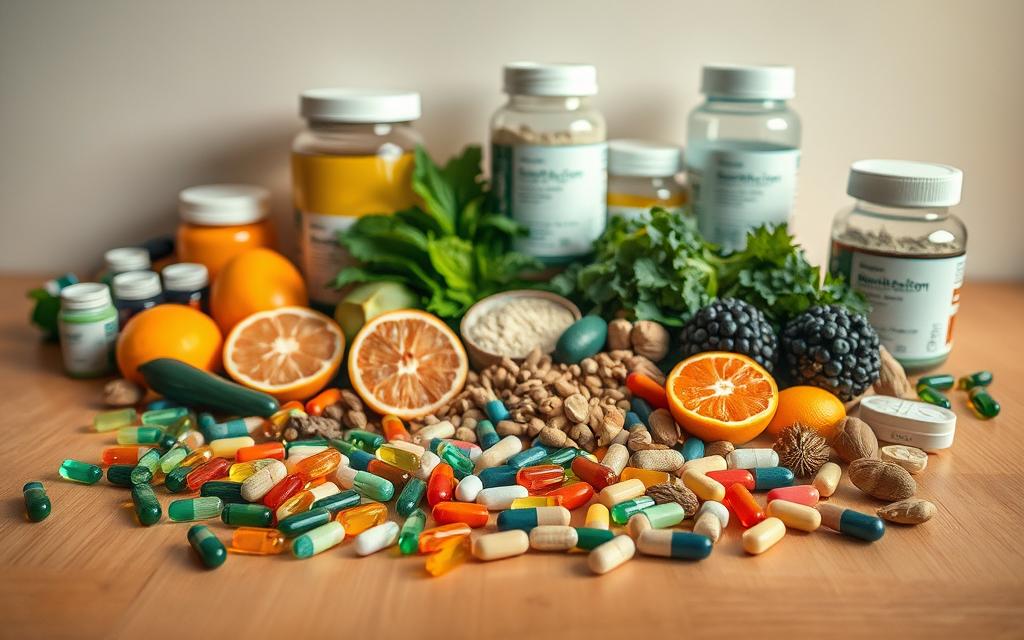
If getting enough nutrients from food is hard, Halal and Kosher supplements might help. But, always talk to a healthcare provider before starting any supplements. This ensures they follow prenatal nutrition guidelines.
In summary, expectant mothers on Halal or Kosher diets can get the nutrients they need from various allowed foods. If needed, and with a doctor’s advice, supplements can also be an option.
Shopping Smart: Finding Quality Halal and Kosher Foods
Shopping for halal and kosher foods is key for pregnant women. They need to know about certifications and labels. These ensure the products fit their dietary needs.
Reading Labels is a must. Look for halal or kosher logos on packaging. These logos show the product is certified by a trusted agency. For example, the Islamic Society of North America (ISNA) for halal and the Union of Orthodox Jewish Congregations of America (OU) for kosher.
- Visit specialty stores that cater to halal or kosher dietary needs.
- Shop during sales for budget-friendly options.
- Consider buying in bulk and planning meals around seasonal produce.
| Product | Halal Certification | Kosher Certification |
|---|---|---|
| Meat | Look for halal logo | Check for kosher certification |
| Dried Fruits | Verify halal certification | Ensure kosher certification |
Pregnant women can enjoy a healthy diet that follows their beliefs. Just be aware of these shopping tips.
Foods to Avoid During Pregnancy While Maintaining Religious Dietary Laws
Expectant mothers who follow Halal or Kosher dietary guidelines must also be mindful of foods that could pose health risks during pregnancy. While maintaining their religious dietary laws, it’s crucial for them to understand which foods are safe and which should be avoided.
Pregnant women can safely consume Halal and Kosher foods that are properly handled and cooked. However, certain foods pose risks regardless of their certification. For instance, unpasteurized dairy products and raw or undercooked meats can contain harmful bacteria like Salmonella or E. coli. It’s essential to avoid these products to prevent foodborne illnesses.
Here are key foods to limit or avoid:
- Unpasteurized cheeses and juices
- Raw or undercooked meat, poultry, and seafood
- High-mercury fish like shark, swordfish, and king mackerel
- Raw or undercooked eggs
Safe food handling practices are also vital. This includes cooking food to the recommended internal temperature and storing food properly.
| Food | Safe Internal Temperature |
|---|---|
| Ground Meats | 160°F |
| Poultry | 165°F |
| Fish | 145°F |
By being aware of these guidelines and taking the necessary precautions, pregnant women can enjoy a healthy diet that aligns with their religious beliefs.
Meal Planning and Recipes for Halal and Kosher Pregnancy Diets
Expectant mothers on Halal or Kosher diets need to plan meals carefully. It’s not just about following rules. It’s also about getting the nutrients they need for a healthy pregnancy.
Nutritional Needs During Pregnancy
Women need more nutrients when they’re pregnant. They should eat foods full of vitamins, minerals, and proteins. Choosing the right foods is key for both health and following dietary laws.
- Eat whole foods like fruits, veggies, grains, and lean proteins.
- Try different foods to get lots of nutrients.
- Use seasonal produce for freshness and variety.
Sample Meal Plans
Here’s a meal plan for a pregnant woman on a Halal diet:
- Breakfast: Oatmeal with fruits and nuts.
- Lunch: Grilled chicken with quinoa and steamed veggies.
- Dinner: Baked salmon with brown rice and a mixed greens salad.
Kosher diets can also follow similar plans. Just make sure the food is kosher-certified and follows kashrut laws.
Healthy Snacking
Snacking is important for pregnant women. Good snack options include:
- Fruit salad with yogurt.
- Hummus with veggie sticks.
- Trail mix with nuts and dried fruits.
By following these tips and recipes, pregnant women can eat well. They can stick to their Halal or Kosher diets while staying healthy.
Finding Support: Community Resources and Healthcare Guidance
Community resources and healthcare guidance are key for pregnant women on Halal or Kosher diets. They help expectant mothers connect with others who share their dietary and cultural practices.
Culturally Sensitive Healthcare Providers are vital for pregnant women’s unique needs. They guide on healthy diets that follow Halal or Kosher laws.
- Local community centers that offer prenatal classes tailored to Halal or Kosher dietary needs.
- Online forums and support groups for expectant mothers who follow religious dietary laws.
- Healthcare providers who are knowledgeable about Halal and Kosher dietary practices.
One expectant mother said, “Having a support system that understands my dietary choices has made a big difference in my pregnancy journey.” The right support and healthcare guidance can greatly improve the pregnancy experience for women on Halal or Kosher diets.
| Resource | Description | Benefit |
|---|---|---|
| Local Community Centers | Offer prenatal classes | Tailored guidance on Halal/Kosher diets during pregnancy |
| Online Forums | Support groups for expectant mothers | Community support and shared experiences |
| Culturally Sensitive Healthcare | Providers knowledgeable about Halal/Kosher diets | Personalized healthcare guidance |
Conclusion: Nurturing Your Pregnancy Journey with Faith-Aligned Nutrition
Expectant mothers face a big challenge: balancing Halal and Kosher dietary laws with their nutritional needs. Understanding the role of proper nutrition is key. It helps them have a healthy pregnancy while staying true to their faith.
Halal and kosher nutrition for pregnancy means being careful about what you eat. You should avoid certain foods and make sure you get all the necessary vitamins and minerals. With smart shopping and meal planning, pregnant women can follow their faith’s dietary guidelines.
Choosing faith-aligned nutrition boosts expectant mothers’ confidence in their pregnancy journey. It supports their health and their baby’s, too. It also strengthens their bond with their faith and community.