Nutritionist’s Pregnancy Diet: What She Eats in a Day
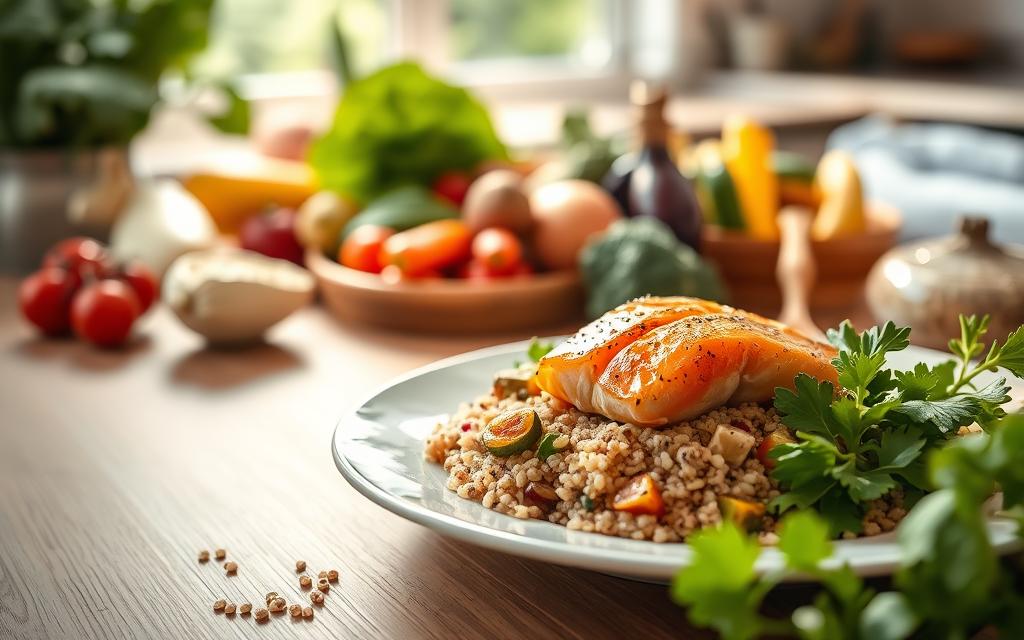
Eating well is key for a healthy mom and baby. Johns Hopkins Medicine says a good diet has protein, fruits, vegetables, and whole grains. It also adds 300 extra calories a day.
A healthy diet keeps both mom and baby in top shape. The Academy of Nutrition and Dietetics suggests eating right, gaining the right amount of weight, exercising, and taking vitamins.
Key Takeaways
- A balanced diet is crucial during pregnancy.
- Increased calorie intake supports fetal development.
- Protein, fruits, vegetables, and whole grains are essential.
- Regular exercise and vitamin supplementation are recommended.
- A healthy diet supports the mother’s overall health.
The Science Behind Pregnancy Nutrition
The science of pregnancy nutrition shows how key certain nutrients are for a healthy pregnancy. A woman’s body changes a lot to help the fetus grow and develop.
Increased Caloric and Nutrient Requirements
Pregnant women need more calories and nutrients for their health and the baby’s growth. The extra calories help the fetus grow and get the mother ready for childbirth and breastfeeding. It’s not just about how much you eat, but what you eat too. Eating foods that are full of nutrients is very important.
Critical Nutrients for Fetal Development
Some nutrients are very important for preventing birth defects and helping the fetus grow. These include:
- Folate for neural tube development
- Iron for the production of red blood cells
- Calcium for bone development
- Omega-3 fatty acids for brain development
Folate and Neural Tube Development
Folate is very important in the early stages of pregnancy to prevent neural tube defects. The U.S. Public Health Service says all women of childbearing age should get 400 micrograms of folic acid every day. Foods high in folate are leafy greens, legumes, and fortified cereals.
Iron and Calcium Needs
Iron is key for making red blood cells, which is good for both the mother and the baby. Calcium is important for the baby’s bones, teeth, and muscles. Eating foods rich in iron like lean meats and calcium like dairy products is very important.
Omega-3 Fatty Acids for Brain Development
Omega-3 fatty acids, especially DHA, help with the baby’s brain and eye development. Fatty fish, nuts, and seeds are good sources of omega-3s. Adding these foods to your diet can help with a healthy pregnancy.
What a Nutritionist Eats in a Day While Pregnant
As a pregnant nutritionist, I focus on whole foods and balanced meals. This helps me get the nutrients I need for a healthy pregnancy.
My Pregnancy Nutrition Philosophy
I believe in eating nutritious meals for expecting mothers full of vitamins and minerals. My diet includes fruits, veggies, whole grains, lean proteins, and healthy fats. The Mayo Clinic says a balanced diet during pregnancy is key for the baby’s growth.
Balancing Macronutrients Throughout Pregnancy
It’s important to balance carbs, proteins, and fats during pregnancy. For instance, oatmeal with fruit and nuts is a great breakfast. It gives me energy and the nutrients I need.
Weekly Meal Planning Strategies
Meal planning is a big part of my pregnancy nutrition plan. It helps me stay on track and save time during the week.
Grocery Shopping Tips
Good grocery shopping is crucial for healthy meals. I stick to whole foods and avoid processed foods. Shopping locally and seasonally ensures I get the freshest ingredients.
Batch Cooking for Busy Days
Batch cooking is a big help on busy days. Cooking big batches on weekends lets me quickly make healthy meals later. It also cuts down on waste and saves time.
By planning meals and preparing them carefully, I keep my diet healthy and balanced during pregnancy.
Morning Routine: Breakfast and Early Snacks
As a nutritionist, I’ve learned that a well-planned morning routine is vital for pregnant women. Managing morning sickness and maintaining a nutrient-rich diet in the morning is crucial. It helps sustain energy levels and supports fetal development.
Pre-Breakfast Options for Morning Sickness
For many women, morning sickness can make breakfast challenging. Consuming small, frequent meals and staying hydrated can help alleviate symptoms. Pre-breakfast options like crackers or toast can be gentle on the stomach.
Protein-Rich Breakfast Combinations
Protein is essential for fetal growth and development. Including protein-rich foods like eggs, Greek yogurt, and nuts in breakfast combinations can provide the necessary nutrients.
Smoothie Bowl Recipes
Smoothie bowls are a nutritious and easy breakfast option. Combining frozen fruits, Greek yogurt, and spinach, then topping with nuts and seeds, creates a nutrient-dense meal. Foods rich in vitamin C, like oranges and strawberries, can enhance iron absorption when consumed with iron-rich foods.
Savory breakfasts, such as scrambled eggs with vegetables or whole-grain toast with avocado, provide essential vitamins and minerals. These options are not only delicious but also support a healthy pregnancy.
Nutrient-Dense Mid-Morning Snacks
Mid-morning snacks are crucial for maintaining energy levels. Choosing snacks like fruits, carrot sticks with hummus, or a handful of nuts can provide the necessary nutrients and keep hunger at bay.
By incorporating these strategies into your morning routine, you can ensure you’re eating well during pregnancy. This supports your baby’s development.
Midday Nutrition: Lunch and Afternoon Fuel
A well-planned lunch and snacks are key for a prenatal meal plan. They keep energy up and provide needed nutrients. It’s important to eat the right foods as the day goes on to support health and growth.
Balanced Lunch Plate Formula
Making a balanced lunch means mixing protein, complex carbs, and healthy fats. This mix helps the mom stay energized and supports the baby’s growth.
Protein Sources for Vegetarian Pregnancies
For vegetarian pregnancies, finding good protein sources is crucial. Beans, lentils, tofu, and tempeh are great choices. Adding these to meals, like in a lentil soup or tofu stir-fry, is easy and tasty.
Complex Carbohydrates for Sustained Energy
Complex carbs in whole grains, fruits, and veggies give lasting energy. They’re full of fiber, vitamins, and minerals, making them key for a pregnancy diet. Brown rice, quinoa, and colorful veggies are good examples.
| Food Group | Examples | Benefits |
|---|---|---|
| Protein Sources | Beans, Lentils, Tofu | Supports fetal growth and mother’s health |
| Complex Carbohydrates | Brown Rice, Quinoa, Vegetables | Provides sustained energy and fiber |
| Healthy Fats | Nuts, Seeds, Avocado | Essential for fetal brain development |
Hydration Strategies Throughout the Day
Drinking plenty of water is key during pregnancy. Aim for several glasses a day. Eating hydrating foods like watermelon and cucumbers also helps.
Combating the Afternoon Energy Slump
The afternoon slump is common during pregnancy. Fighting it with snacks like fruits, nuts, and energy balls can keep energy up.
In conclusion, focusing on midday nutrition is crucial for a healthy pregnancy. Eating a balanced lunch and healthy snacks, and staying hydrated, supports both mom and baby’s health.
Evening Meals: Dinner and Nighttime Nutrition
A nutritionist focuses on anti-inflammatory foods and mindful eating for a healthy pregnancy diet. As night falls, it’s key to eat foods that support your health and your baby’s growth.
Anti-Inflammatory Dinner Options
Eating anti-inflammatory foods for dinner can reduce inflammation and improve health. Good choices include:
- Fatty fish like salmon, rich in omega-3 fatty acids
- Turmeric, with its potent anti-inflammatory compound curcumin
- Leafy greens such as spinach and kale, packed with antioxidants
- Berries, which are rich in anthocyanins and other anti-inflammatory compounds
Managing Heartburn Through Food Choices
Heartburn is common during pregnancy. Choosing the right foods can help ease this issue. Here are some tips:
| Foods to Avoid | Reason | Alternative |
|---|---|---|
| Spicy foods | Can irritate the esophagus | Mild, non-spicy alternatives |
| Citrus fruits and juices | High acidity can trigger heartburn | Less acidic fruits like bananas |
| Caffeine and carbonated drinks | Can relax the lower esophageal sphincter | Herbal teas or water |
Mindful Dessert and Evening Snack Options
Mindful eating means enjoying your food and listening to your body’s hunger and fullness signals. For desserts and snacks, try:
Natural Sweet Treats
Choose natural sweeteners like fruits or dark chocolate. They’re tasty and good for you.
Protein-Rich Evening Snacks for Better Sleep
Protein in your evening snack can help you sleep better. Good protein-rich options are Greek yogurt, nuts, and hard-boiled eggs.
By focusing on anti-inflammatory foods and mindful eating, you can have a fulfilling and healthy evening meal. This supports your pregnancy journey.
Adapting Nutrition Through Each Trimester
It’s important to know how your diet needs to change as you get further along in your pregnancy. The needs of both you and your baby change, so your diet should too. This means making some changes to what you eat and how much of it.
First Trimester: Navigating Nausea and Food Aversions
In the first three months, dealing with nausea and not liking certain foods is common. You might find yourself avoiding some foods and smells. Choosing bland foods like crackers, toast, and plain rice can be helpful. Also, eating smaller meals more often can be easier on your stomach.
Second Trimester: Supporting Rapid Growth
The second trimester is when your baby grows the fastest. This means you need to eat more protein to help your baby grow well. Leafy greens like spinach and kale are great because they have iron and folate. Make sure to include whole grains, lean proteins, and lots of colorful veggies in your diet too.
Third Trimester: Preparing for Labor and Delivery
By the third trimester, you’re getting ready for labor and delivery. You’ll need more energy, so eating energy-dense meals is key. This helps you and your baby stay strong.
Energy-Dense, Small Meals
Eating small, energy-rich meals often can help with heartburn and keep your energy up. Nuts, dried fruits, and avocados are good choices.
Foods That May Help With Labor Preparation
Some foods might help get your body ready for labor. Raspberry leaf tea is thought to help the uterus, and dates might help with labor too.
| Trimester | Nutritional Focus | Key Foods |
|---|---|---|
| First | Managing Nausea | Crackers, toast, plain rice |
| Second | Supporting Rapid Growth | Protein-rich foods, leafy greens, whole grains |
| Third | Preparing for Labor | Nuts, dried fruits, avocados, raspberry leaf tea, dates |
By changing your diet with each trimester, you can support your health and your baby’s growth. It’s all about making smart food choices that meet your changing needs during pregnancy.
Nutritional Strategies for Common Pregnancy Challenges
Expecting mothers often face unique health challenges. A well-balanced diet is key to overcoming them. It helps manage conditions like gestational diabetes, pregnancy-induced hypertension, constipation, and anemia.
Managing Gestational Diabetes Through Diet
To manage gestational diabetes, you need to change your diet. Eat complex carbohydrates like whole grains, fruits, and vegetables. They are full of fiber and nutrients. Also, include lean proteins and healthy fats in your meals to keep blood sugar stable.
- Choose whole grains over refined grains.
- Incorporate a variety of colorful vegetables.
- Opt for lean protein sources like poultry and fish.
Nutritional Approaches to Pregnancy-Induced Hypertension
Pregnancy-induced hypertension can be managed with diet. Eat more potassium-rich foods like bananas, spinach, and avocados. They help lower blood pressure. Also, make sure you get enough calcium from dairy or supplements.
Combating Constipation and Digestive Issues
Constipation is common in pregnancy but can be helped by diet. Eat more fiber from whole grains, legumes, and fruits. It helps with bowel movements. Drinking plenty of water is also key.
Addressing Anemia With Food-Based Solutions
Anemia can be fought with more iron-rich foods. Foods high in vitamin C, like citrus fruits and bell peppers, help iron absorption. Include iron-fortified cereals and leafy greens in your diet.
By using these nutritional strategies, expecting mothers can manage common pregnancy challenges. This ensures a healthier pregnancy and a strong start for their baby’s development.
Supplements in My Pregnancy Diet
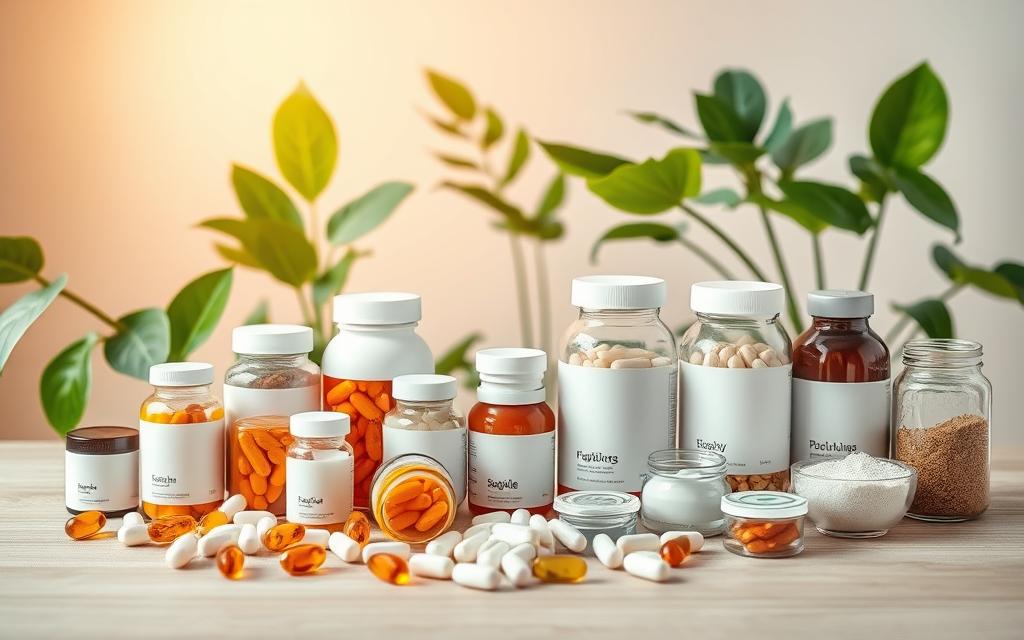
Eating well is key during pregnancy, but supplements can also help. As a nutritionist, I’ve seen how the right supplements can fill nutritional gaps. They support a healthy pregnancy for both mom and baby.
Choosing a High-Quality Prenatal Vitamin
Prenatal vitamins are vital, offering nutrients like folic acid, iron, and calcium. When picking a prenatal vitamin, look for one with:
- Folic acid to prevent birth defects of the brain and spine
- Iron to support the mother’s increased blood volume
- Calcium for fetal bone development
Additional Supplements Based on Individual Needs
Some women may need extra supplements based on their health. For example:
Vitamin D Considerations
Vitamin D is key for bone health and immune function. Some pregnant women might need more vitamin D, especially if they don’t get enough sun or are low in it.
Probiotics for Digestive and Immune Health
Probiotics help keep the gut healthy, supporting digestion and immune function. They’re good for women with pregnancy-related digestive problems.
Working With Healthcare Providers on Supplementation
It’s crucial to talk to healthcare providers about supplements. They can figure out what supplements you need based on your health.
| Supplement | Purpose | Benefit |
|---|---|---|
| Prenatal Vitamin | Essential nutrients | Supports fetal development |
| Vitamin D | Bone health and immune function | Prevents deficiency |
| Probiotics | Digestive and immune health | Reduces pregnancy-related digestive issues |
Conclusion: Nourishing Yourself and Your Baby
A well-planned pregnancy diet is key for both mom and baby’s health. It ensures they get the right nutrients for health. This is crucial for a healthy pregnancy.
Good prenatal meal planning means adding foods rich in vitamins and minerals. Eating a variety of whole foods supports mom’s health and baby’s growth.
Making smart food choices and staying hydrated can lower pregnancy risks. A balanced diet, prenatal vitamins, and a healthy lifestyle help women feel confident during pregnancy.