Iron-Rich Foods for Pregnancy Without Causing Constipation
During pregnancy, it’s key to eat nutrients that help both mom and baby. Pregnancy nutrition is crucial for the baby’s growth and the mom’s health.
Iron is a must-have nutrient during this time. It helps make red blood cells that carry oxygen. But, iron supplements can sometimes lead to constipation, a common pregnancy issue.
Expectant moms can enjoy a high-iron diet that’s easy on the stomach. This article looks at iron-rich foods that keep iron levels up without causing discomfort.
Key Takeaways
- Incorporate iron-rich foods into your diet to support pregnancy health.
- Choose high-iron foods that are easy to digest.
- Maintain a balanced diet to prevent constipation during pregnancy.
- Consult a healthcare provider for personalized pregnancy nutrition advice.
- Include a variety of iron-rich foods in your meal plan.
The Critical Role of Iron During Pregnancy
Iron is very important during pregnancy. It helps keep the mother healthy and supports the baby’s growth. As the pregnancy goes on, the body needs more iron to support the growing blood and the baby.
Why Iron Needs Increase When You’re Expecting
When a woman is pregnant, her body makes more blood for the baby. Pregnant women need about 27mg of iron per day. This is a lot more than the 18mg needed when not pregnant. Getting enough iron is key to avoid iron deficiency anemia, which can cause problems.
Risks of Iron Deficiency for Mother and Baby
Iron deficiency can be dangerous for both the mother and the baby. It can cause anemia, preterm labor, and low birth weight. Health experts say iron deficiency is a big problem during pregnancy. It can have serious effects if not treated right.
Knowing how important iron is and eating the right foods can help pregnant women stay healthy. Adding iron-rich foods to your diet is a good way to prevent iron deficiency and its problems.
Understanding the Iron-Constipation Connection
Pregnant women need to know about iron and constipation. The body needs more iron during pregnancy. But, iron supplements can sometimes cause constipation.
Why Iron Supplements Often Cause Digestive Discomfort
Iron supplements can upset the stomach, leading to constipation and nausea. This is because they are often given in high doses. The elemental iron in supplements can be particularly irritating to the stomach lining, causing these adverse effects.
“Dietary iron is generally better tolerated than supplemental iron.”
The Advantage of Food-Based Iron Sources
Food-based iron sources are a better choice for many pregnant women. They provide iron without the stomach problems of supplements. Iron from food sources is also often accompanied by other beneficial nutrients, improving overall nutrition.
| Iron-Rich Foods | Iron Content per Serving |
|---|---|
| Lentils | 6.6 mg per 1 cup cooked |
| Spinach | 4.9 mg per 1 cup cooked |
| Chicken | 1.2 mg per 3 oz serving |
By eating iron-rich foods, pregnant women can manage their iron needs. This helps avoid constipation. It also supports their health and their baby’s development.
Iron-Rich Foods for Pregnancy Without Causing Constipation
Expectant mothers can keep their iron levels up without upsetting their stomachs. They just need to pick the right foods. Knowing about the different types of iron and how to mix them with fiber is crucial for a smooth pregnancy.
The Difference Between Heme and Non-Heme Iron
Iron in food is either heme or non-heme. Heme iron is in animal products and is easier for the body to use. This makes it great for pregnant women. Lean meats, poultry, and fish are all good sources.
Non-heme iron is in plants like lentils and spinach. It needs vitamin C to work better. Eating foods high in vitamin C, like citrus fruits, with non-heme iron can really help.
Balancing Iron Intake with Fiber for Digestive Health
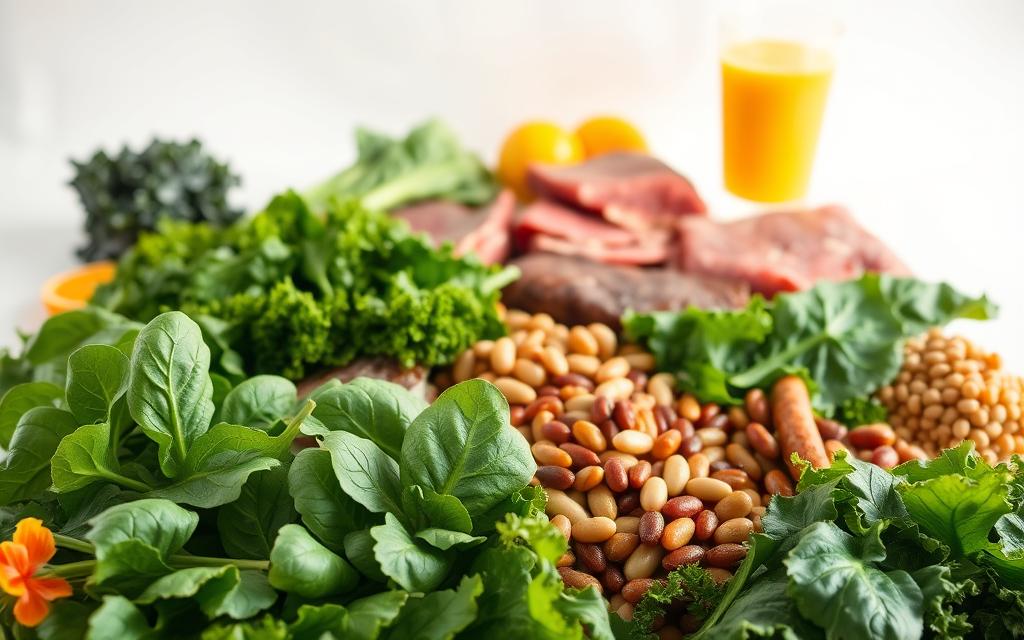
A diet high in iron can be balanced with fiber to keep digestion smooth. Foods like whole grains, legumes, and leafy greens are full of fiber and iron. It’s important to eat a variety and watch portion sizes to avoid stomach issues.
For example, starting with oatmeal with fruits and nuts can give you iron and fiber. This helps your digestion stay healthy.
- Incorporate a mix of heme and non-heme iron sources in your diet.
- Balance iron-rich foods with high-fiber foods to support digestive health.
- Enhance non-heme iron absorption by consuming vitamin C-rich foods alongside.
Lean Animal Proteins: Gentle Iron Powerhouses
Pregnant women can enjoy lean animal proteins that are rich in iron. These foods are gentle on the stomach and packed with nutrients. They are great sources of heme iron, which is important for a healthy pregnancy.
Poultry Options: Chicken, Turkey, and Duck
Poultry is a great choice for pregnant women. Chicken, turkey, and duck are full of heme iron. Make sure to cook them well to avoid bacteria.
You can grill chicken breast or make a turkey stew. These are easy ways to add poultry to your meals.
Fish Varieties Safe During Pregnancy: Salmon, Trout, and Sardines
Some fish are safe for pregnant women and are rich in iron and omega-3s. Salmon, trout, and sardines are good choices because they have low mercury. You can bake or grill them for a tasty, healthy meal.
Lean Red Meat: Portion Control and Preparation Methods
Lean red meat can be part of a healthy diet when eaten in small amounts. Choose lean cuts and control your portions. Beef and lamb are good sources of iron. Grilling or stir-frying helps keep the meat’s nutrients.
| Lean Animal Protein | Iron Content | Preparation Tips |
|---|---|---|
| Chicken Breast | High in heme iron | Grill or bake for a healthy meal |
| Salmon | Rich in iron and omega-3 | Bake with herbs for added flavor |
| Lean Beef | Good source of heme iron | Stir-fry with vegetables for a balanced meal |
Plant-Based Iron Champions for Expectant Mothers
For those on a plant-based diet, there are many iron-rich foods. These foods are key for pregnancy nutrition. They offer iron and other nutrients that boost health during pregnancy.
Lentils, Chickpeas, and Black Beans: Fiber-Iron Balance
Lentils, chickpeas, and black beans are great for iron and fiber. They help keep the digestive system healthy during pregnancy. They also prevent constipation, a common problem with iron supplements.
Adding these foods to meals is easy. Try them in soups, salads, or stews.
- Lentil soup with whole grain bread
- Chickpea salad with mixed greens and citrus vinaigrette
- Black bean tacos with avocado salsa
Spinach, Kale, and Swiss Chard: Cooking for Maximum Benefits
Leafy greens like spinach, kale, and Swiss chard are full of iron and nutrients. Cooking them makes iron easier to use by the body. Adding lemon juice or vinegar can help iron absorption even more.
Cooking Tip:Sautéing spinach with garlic and olive oil is a tasty and healthy side dish.
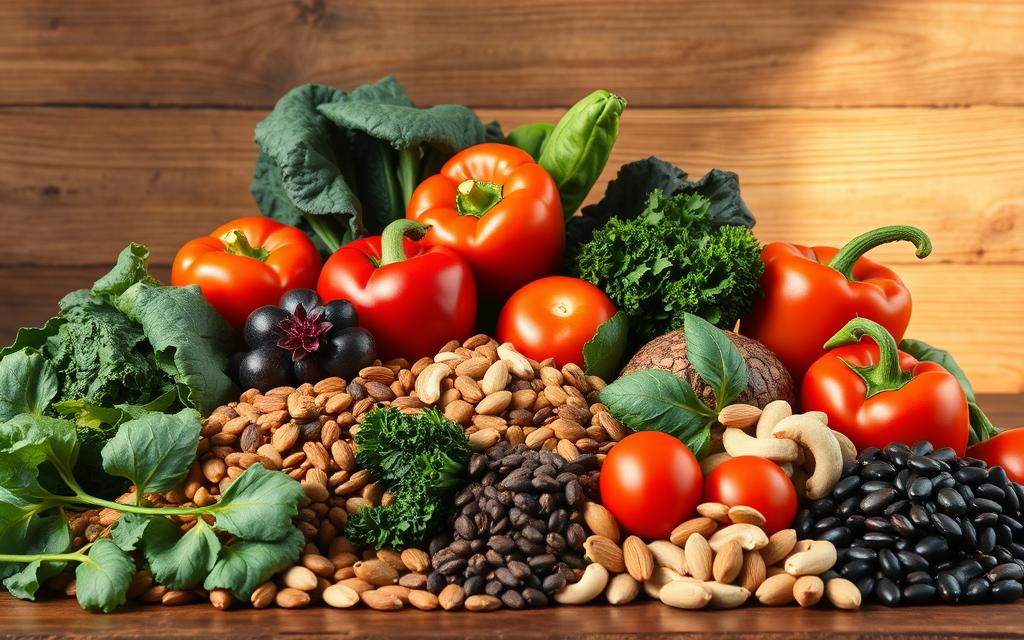
Pumpkin Seeds, Cashews, and Almonds: Daily Portions
Nuts and seeds are iron-rich and easy to snack on. Pumpkin seeds, cashews, and almonds can be part of daily meals or snacks. A small amount can give a big iron boost.
Iron-Rich Grains and Fortified Foods
Whole grains and fortified foods are key for a high-iron diet for pregnant women. They help with digestion. These foods also give important nutrients for a healthy pregnancy.
Quinoa, Amaranth, and Oats: Ancient Grains for Modern Pregnancies
Ancient grains like quinoa, amaranth, and oats are full of iron and fiber. They are perfect for pregnant women. Quinoa is a complete protein and a good iron source. Oats help with digestion.
It’s easy to add these grains to your meals. Try oatmeal for breakfast or quinoa in salads.
| Ancient Grain | Iron Content (mg per serving) | Fiber Content (g per serving) |
|---|---|---|
| Quinoa | 2.8 | 5 |
| Amaranth | 2.1 | 4 |
| Oats | 1.8 | 4 |
Reading Labels: Finding Truly Beneficial Fortified Products
When looking at fortified foods, reading labels is important. Choose products high in iron but low in sugars and unhealthy fats. Opt for foods with fewer ingredients and less processing.
For example, some fortified cereals can be a good breakfast choice if picked carefully.
“The key to a healthy diet is not just about the foods you include, but also about being mindful of what you consume.”
Being careful about what you eat helps you get the nutrients you need. It also keeps your digestive health in check.
Surprising Iron Sources That Aid Digestion
Keeping iron levels up is key for pregnant women. Some foods might surprise you with their iron and digestion benefits. There are many foods that can help with iron and keep your digestive system healthy.
Prunes, Apricots, and Figs: Nature’s Iron-Rich Digestive Helpers
Prunes, apricots, and figs are packed with iron and good for your stomach. Prunes are a natural laxative and can prevent constipation, a common pregnancy problem. You can snack on them or add them to meals for a boost of iron.
Blackstrap Molasses, Dark Chocolate, and Other Hidden Iron Sources
Blackstrap molasses and dark chocolate are also good for iron. Molasses is great in baking or as a sweetener. Dark chocolate, eaten in small amounts, adds iron and antioxidants. These can be good options to mix up your iron sources.
Adding these foods to your diet can help pregnant women get enough iron and stay regular. It’s all about finding the right mix of foods for a balanced diet.
Hydration and Iron: The Essential Connection
Drinking enough water is key for pregnant women. It helps the body absorb iron, a nutrient we all need. When you’re pregnant, your body makes more blood. This means you need more water to stay healthy and support your baby’s growth.
Drinking water helps keep iron levels healthy. It’s important for pregnant women to drink lots of water all day.
Water Intake Guidelines During Pregnancy
Experts say pregnant women should drink eight to ten glasses of water a day. But, how much you need can change. It depends on your activity level and where you live.
- Drink water regularly throughout the day
- Monitor urine output to ensure it’s pale yellow or clear
- Avoid sugary drinks and caffeine
Herbal Teas and Infusions That Support Iron Absorption
Some herbal teas can help with iron absorption and keep you hydrated. Here are a few good ones:
| Herbal Tea | Benefits |
|---|---|
| Pepermint Tea | Aids digestion and can help reduce nausea |
| Ginger Tea | Supports digestion and can help alleviate morning sickness |
| Rooibos Tea | Rich in antioxidants and can be a calming, caffeine-free option |
Dr. Sarah Johnson, a prenatal nutrition expert, says,
“Staying hydrated is crucial for pregnant women, not just for iron absorption but for overall health and well-being.”
Maximizing Iron Absorption While Preventing Constipation
It’s crucial to get enough iron without causing constipation. Pregnant women can make smart food choices. These choices help absorb iron better and keep digestion comfortable.
Pairing Foods: Iron Sources with Vitamin C-Rich Companions
Vitamin C boosts non-heme iron absorption. Pairing iron-rich foods with vitamin C-rich foods is a smart move. For instance, eating citrus fruits or bell peppers with iron-rich foods like lentils or spinach can improve iron absorption.
Timing Around Coffee, Tea, and Calcium-Rich Foods
Try to avoid coffee and tea with meals as they can block iron absorption. Also, be careful with calcium-rich foods as they can impact iron absorption too. Planning your meals and snacks can help you get more iron.
Cooking Methods That Enhance Iron Bioavailability
Cooking in cast-iron cookware can increase iron intake, especially with acidic foods like tomatoes. Cooking with minimal water and heat helps keep more iron in your food.
| Food | Iron Content | Vitamin C Content |
|---|---|---|
| Lentils | 6.6 mg per 1 cup cooked | Low |
| Spinach | 4.9 mg per 1 cup cooked | Low |
| Citrus Fruits | Low | High |
Meal Planning: Iron-Rich Recipes That Keep Digestion Comfortable
Expectant mothers can greatly benefit from iron-rich recipes in their meal plans. This helps keep their digestion healthy. A good meal plan ensures they get enough iron without upsetting their stomach.
Breakfast Ideas: Smoothies, Overnight Oats, and Egg Dishes
Starting with iron-rich breakfasts is key. Smoothies with spinach, banana, and almond milk are tasty and iron-packed. Overnight oats with nuts and seeds offer a fiber-iron mix. Egg dishes with spinach or mushrooms are also great for iron.
Lunch and Dinner Combinations: One-Pot Meals and Balanced Plates
Lunch and dinner can be one-pot meals like lentil soup or stir-fries. Balanced plates with grilled chicken, roasted veggies, and quinoa are nutritious. Mixing foods helps keep iron levels up without upsetting the stomach.
Pregnancy-Friendly Snacks: Quick Iron Boosts Between Meals
Snacking on foods like cashews, pumpkin seeds, and dried apricots gives quick iron boosts. These snacks are iron-rich and easy on the stomach, perfect for pregnant women.
Conclusion: Nourishing Your Pregnancy Journey with Iron-Rich Foods
Adding iron-rich foods to your diet is key for a healthy pregnancy. Choosing the right foods and taking care of your digestive health is important. This helps you and your baby stay healthy.
A balanced diet with iron-rich foods can prevent iron deficiency. Foods like lean meats, plant-based options, and iron-rich grains are great. They can be added to your meals easily.
Knowing the value of iron and finding iron-rich foods is crucial for pregnant women. Taking care of your digestive health is also important. This helps avoid discomfort and makes your pregnancy better. For a detailed pregnancy nutrition plan, talk to a healthcare provider or a registered dietitian. They can help make a personalized iron-rich foods list for you.