Pregnancy Cravings Explained: What They Mean Nutritionally
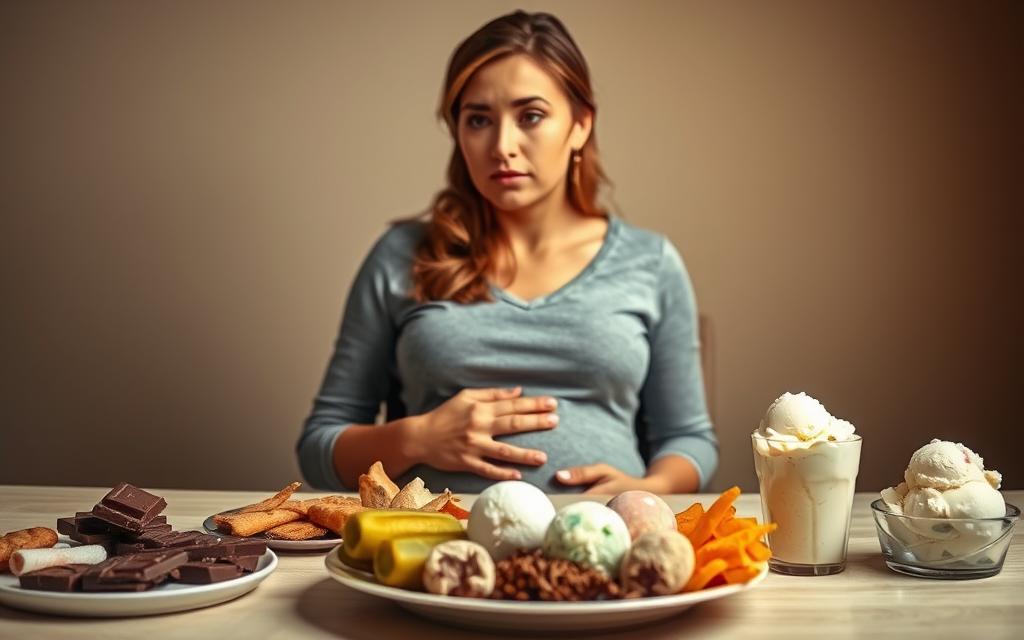
For many women, pregnancy brings intense food cravings. A BabyCenter survey found that 85% of users had at least one craving. Most wanted sweets, then salty snacks.
But what do these cravings mean? Are they something to worry about? We’ll look into the nutritional side of pregnancy cravings and Pregnancy Nutrition in this article.
Key Takeaways
- Pregnancy cravings are a common experience for many women.
- The most common cravings are for sweets and salty snacks.
- Understanding the nutritional meaning behind cravings can help expectant mothers make informed choices.
- Pregnancy Nutrition plays a crucial role in fetal development.
- Being aware of cravings can help women maintain a balanced diet.
The Science Behind Pregnancy Cravings
Pregnancy cravings come from a mix of hormonal changes and how we sense smells and tastes. When you’re pregnant, your body goes through big changes in hormones. These changes can make you want to eat certain foods more.
Hormonal Changes and Their Impact
Hormones like estrogen and progesterone play a big part in cravings. These changes make you more sensitive to smells and tastes. This is why some foods might seem more appealing.
When Cravings Typically Begin
Cravings can start early, even in the first trimester. By the second trimester, they often get stronger. How early cravings start can vary. It depends on how your body reacts to hormonal changes and your sensitivity to smells and tastes.
The Role of Heightened Senses
Your sense of smell and taste gets stronger during pregnancy. This makes foods with strong smells or tastes more tempting. These cravings can help meet your body’s nutritional needs.
| Factor | Influence on Cravings |
|---|---|
| Hormonal Changes | Affects taste and smell, making certain foods more appealing |
| Heightened Senses | Increases sensitivity to flavors and aromas, potentially satisfying nutritional needs |
| Timing | Cravings can start in the first trimester and intensify by the second trimester |
Common Types of Pregnancy Cravings
Pregnancy cravings are fascinating and varied. They include sweet, salty, sour, and sometimes odd food desires. Understanding these cravings can give insights into the body’s changes during pregnancy.
Sweet Cravings
Sweet cravings are very common during pregnancy. Many women want sugary foods and drinks. This might be because their body needs more energy or they’re looking for comfort.
- Chocolate cravings could be about magnesium or wanting to feel better.
- Fruit cravings might mean the body needs vitamins or fiber.
Salty and Savory Cravings
Some pregnant women start to like salty or savory foods. This could be because their body needs sodium or minerals. Examples include wanting chips, pretzels, or pickles.
It’s important to eat these cravings in moderation to keep a balanced diet.
Sour and Tangy Cravings
Cravings for sour or tangy foods, like citrus fruits or vinegar, are also common. These might be due to hormonal changes or a need for vitamin C.
Unusual Combinations
Some women crave odd or strange food combinations. This can be confusing but is a normal part of pregnancy.
In conclusion, pregnancy cravings are diverse and can differ a lot from one woman to another. While we don’t fully understand why they happen, they can hint at nutritional needs or emotional states during pregnancy.
Pregnancy Cravings Explained: What They Mean Nutritionally
Pregnancy cravings can tell us a lot about a woman’s diet needs. They might show what nutrients the body is lacking. Experts think cravings could point to specific nutritional gaps.
Nutritional Deficiencies Theory
The idea is that cravings are our body’s way of asking for certain nutrients. For example, a hankering for red meat might mean we need more iron. Dairy cravings could mean we’re lacking calcium.
- Cravings for iron-rich foods may indicate iron deficiency anemia.
- Calcium cravings could be linked to the need for fetal bone development.
Cultural and Psychological Factors
But cravings aren’t just about nutrition. Culture and psychology also play big roles. What we crave can be influenced by our culture and personal feelings.
“Cultural background can significantly influence food cravings during pregnancy, reflecting societal norms and dietary practices.”
Research on Craving-Nutrition Connections
Scientists are still studying the link between cravings and nutrition. Some research shows a clear connection between cravings and nutritional needs. But other studies suggest that our feelings and culture also play a big part.
Eating a balanced diet is key, even if we don’t have cravings. Getting enough nutrients is important for both mom and baby.
Food Aversions During Pregnancy
Food aversions are common during pregnancy, often happening with cravings. While cravings get a lot of attention, aversions are key in shaping a pregnant woman’s diet.
Common Food Aversions
Common aversions include strong-smelling foods and certain textures. Sometimes, foods that were once enjoyed become aversions. These aversions can be so strong that just thinking about or smelling the food can make you feel sick.
Nutritional Implications of Aversions
Food aversions can affect nutrition. For example, not liking fish or meat can lead to protein shortages. Avoiding dairy can also lower calcium intake.
Strategies for Getting Essential Nutrients
To deal with aversions and still get the nutrients you need, try alternative sources. If you can’t stand meat, beans, lentils, or tofu are good protein sources.
| Food Aversion | Alternative Nutrient Source |
|---|---|
| Meat | Beans, Lentils, Tofu |
| Dairy | Fortified Plant Milk, Calcium-rich Vegetables |
| Fish | Omega-3 Supplements, Walnuts |
Sweet Cravings: Nutritional Breakdown
Cravings for sweet treats are not just about indulgence. They can show specific nutritional needs during pregnancy. Understanding these cravings helps expectant mothers make better choices.
Chocolate and Energy Needs
Chocolate is a favorite among many pregnant women. It’s not just about the taste. Chocolate can give a quick energy boost, which is often needed during pregnancy.
However, it’s important to choose dark chocolate. Dark chocolate has more antioxidants and less added sugar than milk chocolate.
Fruit Cravings and Vitamin Requirements
Cravings for fruit can show a need for vitamins and minerals. Fresh fruits are full of essential nutrients like vitamin C, potassium, and fiber. Meeting fruit cravings can help meet some of the nutritional demands of pregnancy.
Healthy Ways to Satisfy Sweet Cravings
To satisfy sweet cravings healthily, consider these options:
| Food | Nutritional Benefit |
|---|---|
| Fresh Fruit | Rich in vitamins, minerals, and fiber |
| Dark Chocolate | High in antioxidants, can improve mood |
| Dried Fruit | Good source of fiber and natural sweetness |
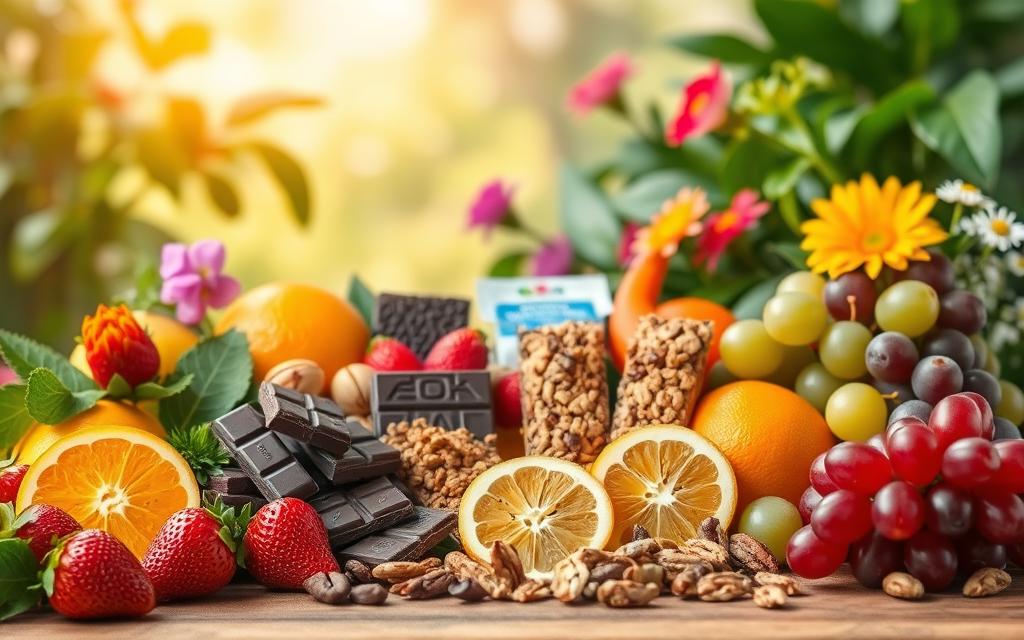
By making informed choices, pregnant women can satisfy their sweet cravings while supporting their nutritional needs.
Salty Cravings: Electrolyte Balance
Craving salty foods during pregnancy is more than just a taste preference. It’s often a sign of the body needing more sodium and other key electrolytes. As the body changes to support the growing fetus, it needs more nutrients.
Sodium Needs During Pregnancy
Sodium is key for keeping fluids balanced and supporting health for both mom and baby. Pregnancy increases the body’s sodium need due to blood volume growth. But, it’s important to not overdo it, as too much sodium can cause health problems.
Potassium and Magnesium Connections
Potassium and magnesium are also important during pregnancy. Potassium helps keep fluids balanced and supports blood pressure. Magnesium is vital for muscle and nerve health. Eating foods rich in these electrolytes can help meet cravings and support health.
Healthy Ways to Satisfy Salt Cravings
To meet salty cravings in a healthy way, try these:
- Choose unsalted or low-sodium versions of favorite snacks and season foods with herbs and spices.
- Opt for naturally salty foods like nuts, seeds, and olives.
- Incorporate potassium-rich foods like bananas, avocados, and sweet potatoes into your diet.
- Include magnesium-rich foods such as dark leafy greens, beans, and nuts.
Unusual Cravings and Pica During Pregnancy
Unusual cravings during pregnancy, like pica, can surprise and worry expectant mothers. While many crave sweets or salty snacks, some want non-food items or odd food mixes.
Understanding Non-Food Cravings
Pica is when you crave non-food items like dirt, clay, or ice. This is more common during pregnancy and might be due to nutritional gaps.
Some common non-food items craved during pregnancy include:
- Dirt or clay
- Ice
- Laundry detergent or other non-edible powders
- Chalk or other non-food substances
Potential Nutritional Deficiencies
Research shows pica and unusual cravings might be linked to nutritional gaps. For example, craving ice (pagophagia) could mean you’re low on iron.
| Nutritional Deficiency | Associated Craving |
|---|---|
| Iron deficiency | Craving ice (pagophagia) |
| Zinc deficiency | Craving non-food items like clay or dirt |
| Calcium deficiency | Craving chalk or other calcium-rich non-food items |
When to Seek Medical Attention
If you have pica or keep craving non-food items, see a healthcare provider. Your healthcare provider can check for nutritional gaps or other health issues that need attention.
To handle unusual cravings, eat a balanced diet and talk to your healthcare provider. Getting enough nutrients can help reduce cravings.
Balancing Cravings with Nutritional Needs
Expectant mothers often struggle to balance their cravings with their nutritional needs. It’s key to make sure they get all the essential nutrients for their baby’s health and growth.
Essential Nutrients for Pregnancy
Women need more of some nutrients during pregnancy. Folic acid is vital to prevent birth defects in the baby’s brain and spine. Iron helps make red blood cells, and calcium is important for the baby’s bones, teeth, and muscles.
Other important nutrients include protein for the baby’s growth and omega-3 fatty acids, especially DHA, for brain development.
Creating a Balanced Pregnancy Diet
A balanced diet during pregnancy should have foods from all groups. Eating lots of fruits, vegetables, whole grains, lean proteins, and healthy fats is recommended.
Meal planning helps meet nutritional needs. Expectant mothers can get help from healthcare providers or registered dietitians to make a meal plan just for them.
Meal Planning Around Cravings
When cravings hit, having healthy options ready can be helpful. For sweet cravings, try fresh fruit or dark chocolate. They satisfy cravings and offer nutritional benefits.
Planning meals and snacks ahead can also manage cravings. Adding protein and healthy fats to meals can keep you full longer, reducing cravings.
Healthy Alternatives to Common Cravings
Cravings during pregnancy are common. But, there are ways to satisfy them without losing nutritional value. Expectant mothers can find healthier options to keep their diet balanced.
Nutritious Swaps for Sweet Cravings
Sweet cravings are common during pregnancy. Instead of sugary snacks, try healthier alternatives like fruit or dark chocolate. A nutrition expert suggests a balanced diet with fruits and vegetables to curb sweet cravings.
Fresh fruit like berries or citrus fruits are sweet and full of vitamins and antioxidants.
Healthier Options for Salty Cravings
Salty cravings can be met with nutritious options like nuts, seeds, or roasted chickpeas. These snacks are salty and packed with protein and healthy fats. Opt for unsalted or low-sodium choices to control salt intake.
Satisfying Texture Cravings
Texture cravings, like crunchy or smooth, can be met with healthy foods. For crunchy, try raw vegetables like carrots or cucumbers. For smooth, yogurt or smoothies with fruits and vegetables are great.
By choosing these healthier alternatives, pregnant women can enjoy their cravings while staying on a nutritious diet. It’s about finding the right balance and making smart choices.
Managing Unwanted or Excessive Cravings
Pregnancy cravings can be tough to handle, but there are ways to keep them in check. It’s important for expectant mothers to find a balance between their cravings and nutritional needs.
Portion Control Strategies
One good strategy is portion control. By having a small amount of the food you crave, you can satisfy your hunger without overeating. For instance, having a small bowl of ice cream instead of a whole pint can make a big difference.
| Craving | Portion Control Tip | Nutritional Benefit |
|---|---|---|
| Ice Cream | Opt for a small bowl | Calcium intake |
| Chocolate | Choose dark chocolate in moderation | Antioxidants |
| Salty Snacks | Measure out a serving size | Satisfies salt cravings |
Mindful Eating During Pregnancy
Mindful eating means listening to your body’s hunger and fullness signals. It’s about eating slowly and enjoying your food. This can help you tell if you’re really hungry or just craving something because of how you feel or what’s around you.
Mindful eating tips:
- Eat slowly and without distractions
- Pay attention to the taste, texture, and smell of food
- Stop eating when you feel satisfied, rather than full
Physical Activity and Cravings
Regular physical activity can help manage cravings by boosting your health and reducing stress. Activities like walking, swimming, or prenatal yoga are great options.
Benefits of physical activity during pregnancy:
- Reduces stress and anxiety
- Improves mood
- Supports overall health
Conclusion
It’s key for pregnant women to understand their cravings. This helps them make smart choices about what they eat. We’ve looked into why cravings happen, what kinds there are, and how they affect nutrition.
Knowing why cravings strike and what nutrients are missing can help. Women can then plan their meals better. It’s important to find a balance between enjoying cravings and eating well for Pregnancy Nutrition.
Choosing healthier options for cravings is a good strategy. Eating foods that are full of nutrients and watching portion sizes helps. This way, pregnant women can meet their cravings and support their health and their baby’s growth.
In the end, Understanding Pregnancy Cravings lets women make better food choices. This leads to a healthier pregnancy and a better outcome for both mom and baby.