Is Any Screen Time OK for Infants?
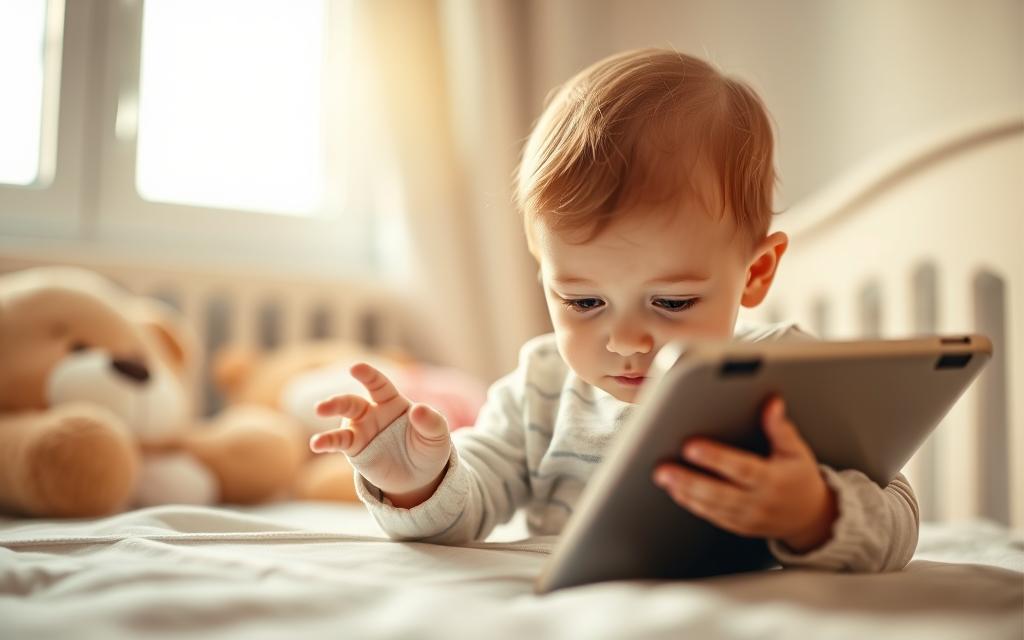
As a parent, you might wonder if screen time is good for your baby. The American Academy of Pediatrics and other health groups have set rules. These help parents decide how much screen time is okay for their kids.
There’s a growing worry about infant development and screen time. Studies show too much screen time can hurt babies’ brains and motor skills.
It’s important for parents to know the rules about screen time for infants. This way, they can give their child the best start in life.
Key Takeaways
- The American Academy of Pediatrics provides guidelines for screen time in infants.
- Excessive screen exposure can impact infant development.
- Parents need to be aware of the risks associated with screen time for infants.
- Guidelines help parents make informed decisions about screen time.
- Infant development is a critical factor in determining appropriate screen time.
Current Screen Time Guidelines for Infants
Knowing the latest infant screen time guidelines is key for parents. They want to make smart choices about their baby’s screen use. Health groups have set rules to help parents.
American Academy of Pediatrics Recommendations
The American Academy of Pediatrics (AAP) advises no screens for kids under 18 months. They say it’s okay for video chats with family and friends. Young babies learn best from people, not screens.
World Health Organization Guidelines
The World Health Organization (WHO) says no screens for kids under 2, except for learning. The WHO believes early years are vital for growth. Too much screen time can slow this down.
Following these rules helps babies get a good start. Parents should think about the type and amount of screen time. Also, where and when it happens matters a lot.
Understanding Infant Brain Development
The infant brain is very flexible. Early experiences shape its structure and function. In the first year, babies go through big developmental steps. These steps are key for their future thinking, feeling, and social skills.
Critical Periods of Development in the First Year
The first year is a time of rapid brain growth and significant neural development. Babies start with basic reflexes. As they grow, they interact more with their world. This interaction is key for brain growth, as it strengthens neural connections.
Critical periods exist where certain experiences are needed for normal development.
| Age | Developmental Milestones | Impact on Brain Development |
|---|---|---|
| 0-3 months | Recognizing familiar faces, basic reflexes | Initial neural connections formed |
| 4-6 months | Tracking objects, responding to sounds | Sensory experiences start shaping the brain |
| 7-12 months | Understanding object permanence, simple gestures | Advanced neural connections and pathways |
How Sensory Experiences Shape Neural Connections
Sensory experiences are vital for an infant’s brain. As babies explore, their brains process different stimuli. This includes visual, auditory, and tactile inputs.
Parents can help by creating a rich environment. This should include sensory exploration, social interaction, and emotional support. It’s good to limit electronic devices and encourage interactive play.
The Research Behind Screen Time Effects on Infants
Recent studies have looked into how screen time affects infants. They’ve found important information about their growth stages. As more digital devices appear, worries about their effect on young people grow.
Cognitive Development Impacts
Research shows that too much screen time can harm infants’ thinking skills. It can cause delays in reaching important thinking and problem-solving goals. This is because screens might block the growth of these essential abilities.
Language Acquisition Concerns
Screen time also affects how infants learn to speak. Less time with caregivers and fewer chances to hear different languages can slow down language growth. Studies say that talking with people is better for learning language than watching screens.
Attention Span and Executive Function
Too much screen time can also hurt infants’ ability to focus and manage tasks. The quick changes in digital content can make it hard for them to stay focused. This might make it tough for them to enjoy quieter activities like reading or puzzles later on.
In summary, research highlights the importance of watching how much screen time infants get. Knowing the effects on thinking, speaking, and focus helps parents and caregivers make better choices. This way, they can ensure screens are used wisely in an infant’s life.
Is Any Screen Time OK for Infants?
Understanding screen time for infants is complex. Parents and caregivers need to know the different types of screen time. They must think about how it affects a baby’s growth.
Defining “Screen Time” for Babies
Screen time for infants includes many activities. This ranges from watching educational videos to using touchscreens. Knowing what screen time is helps us see its effects on babies.
Quality vs. Quantity Considerations
For screen time for infants, both quality and amount matter. Some digital content is educational, but not all is good. Parents should choose content made for infant learning. Too much screen time can slow down a baby’s growth.
Context Matters: Interactive vs. Passive Viewing
The way babies use screens is important. Interactive screen time, like using touchscreens, is different from passive watching, like TV. Knowing these differences helps parents choose the right screen time for their baby’s growth.
Physical Effects of Screen Exposure on Infants
As infants grow, they spend more time in front of screens. This raises worries about how screens affect their bodies. Screen time can impact many areas of their development.
Sleep disruption is a big worry with screen time for babies. The blue light from screens can mess with melatonin. This hormone helps control when we sleep and wake.
Sleep Disruption and Blue Light
Smartphones and tablets give off blue light that can lower melatonin levels. This can cause sleep disturbances in babies. They might have trouble falling asleep, wake up a lot at night, and not sleep well.
Watching screens before bed can confuse a baby’s brain. It makes them think it’s daytime, even when it’s not.
Vision Development Concerns
Screen time might also affect vision development in infants. Their eyes are growing, and too much screen time could lead to vision problems later.
Even though we don’t know all the details, experts say to limit screen time. This can help prevent vision issues in babies.
Social and Emotional Development Considerations
Infants are at a critical stage of social and emotional development. Exposure to screens can greatly influence this. As they start to understand their world, electronic devices play a big role in their lives.
Parent-Child Bonding and Screen Interference
The bond between a parent and child is key to a child’s growth. Too much screen time can harm this bond. It makes parents less available to their children, which can hurt the child’s sense of security.
A study showed that parents on their phones don’t always notice their baby’s needs. This less attention can affect a child’s ability to manage their feelings and social skills.
| Interaction Type | With Screen Use | Without Screen Use |
|---|---|---|
| Parent Responsiveness | Reduced | Enhanced |
| Child’s Emotional Regulation | Potentially Impaired | Supported |
| Bonding Quality | Compromised | Strengthened |
Emotional Regulation and Screen Use
Infants start learning to control their emotions early on. This learning is shaped by their interactions with caregivers. Screen time can affect this by overwhelming them or reducing caregiver interaction.
Fast-paced digital content can be too much for them. It’s hard for them to calm down. But, interactive and responsive caregiving helps them learn to manage their feelings better.
Digital Media in Modern Parenting
Digital media has a big impact on parenting. It changes how we connect with our babies and shapes their early life. Knowing how digital devices fit into parenting today is key.
Many homes now have lots of digital devices. This changes how we raise our kids, specially our babies.
The Reality of Today’s Connected Households
Today, homes are more connected than ever. With so many devices, it’s hard to focus on our babies. This might change how we talk and play with them.
Key statistics highlight the extent of this issue:
- Many parents feel they must always be available or online.
- Most homes have many devices, making it easy to get distracted.
- Babies start seeing screens early.
Parental Screen Use Around Infants
How much parents use screens matters a lot. When parents are too busy with screens, they might miss their baby’s needs.
Studies show that too much screen time by parents can cause:
- Less time spent with the baby.
- More stress for both parents and babies.
- Lower quality time between parents and their babies.
Technoference: When Screens Interrupt Interactions
“Technoference” means when tech interrupts our talks with others. For parents, it can really affect how they connect with their babies.
“Parents who are more mindful of their screen use can create a more engaging and responsive environment for their infants.”
By knowing about technoference, parents can reduce its harm. This helps make a better, more loving space for their babies.
Practical Alternatives to Screen Time for Infants
Parents want to keep their infants engaged without screens. It’s key to find activities that help with growth. Simple, fun activities can cut down on screen time and boost development.
Sensory Play Activities for Development
Sensory play is essential for infants. It boosts their brain and motor skills. It helps them understand their world better.
Tactile Exploration Ideas
Tactile exploration is vital for infants. It helps them learn about textures and fine motor skills. Activities like touching fabrics, playing with playdough, or exploring nature are great.
Sound and Music Experiences
Sound and music are important for infants. They help with hearing skills and can calm or excite them. Singing lullabies, playing instruments, or making sounds with objects are effective.
Creating Screen-Free Zones and Routines
Setting up screen-free zones and routines is key. It helps reduce infant screen time. Designating areas or times as screen-free encourages other ways to engage. For example, making dinner tables or bedrooms screen-free can help families bond and improve sleep.
Books and Reading from Day One
Reading to infants early on is great for their language skills. Choosing books with simple, colorful pictures and textures makes reading fun. It boosts brain growth and strengthens the bond between parents and children.
Special Considerations for Different Situations
While it’s generally advised to limit screen time for babies, there are times when it’s okay. Knowing when it’s safe can help parents make better choices for their baby’s screen use.
Video Chatting with Family Members
Video chatting with family is an exception to no screen time for babies. It helps them stay connected with loved ones. Video chatting can be a valuable tool for maintaining relationships when families are apart.
Travel and Exceptional Circumstances
During travel or in special situations, like a long hospital stay, screen time can be helpful. Parents should try to limit screen time and pick educational content. These times are short, and screen time should decrease once things get back to normal.
When Parents Need a Break
Parents might need a quick break sometimes. A calm, educational program can be a good choice. It’s important to choose content carefully and watch how the infant reacts. This shouldn’t happen often but can be helpful when needed.
Creating a Healthy Media Plan for Your Family
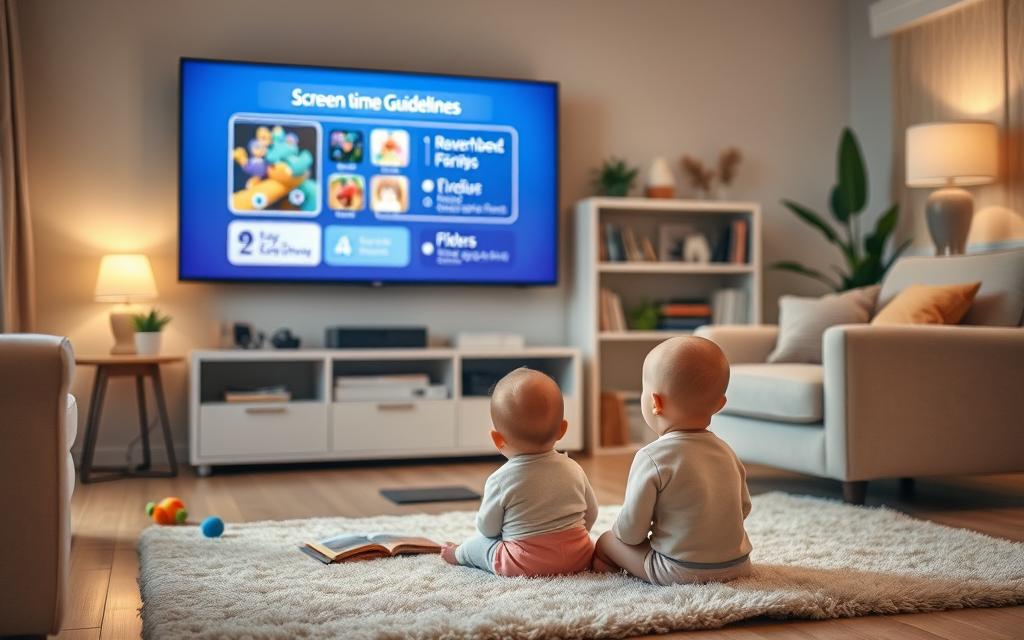
In today’s world, making a smart media plan is key for families. With screens everywhere, setting rules for their use is vital. It helps kids develop good habits from a young age.
Setting limits early on is a must for a good media plan. Clear rules help kids know when it’s okay to use screens.
Setting Boundaries from the Beginning
Creating screen-free areas and times, like during meals or before bed, is important. It helps balance screen time and encourages other activities. Reading and play are great for kids’ growth.
Modeling Healthy Screen Habits
Parents are key in showing kids how to use screens wisely. By using screens responsibly, parents teach kids about balance. They also show the value of doing things without screens.
Communicating with Caregivers About Screen Time
Talking to caregivers about your media plan is also important. It makes sure everyone agrees on screen time rules. This consistency helps kids stick to the habits you’re teaching.
Conclusion
Screen time’s effect on infants is complex and needs careful thought. Understanding guidelines and research helps parents make good choices for their child’s growth.
Creating a healthy space for infants means watching how screens fit into their lives. The American Academy of Pediatrics and World Health Organization give great advice. They help parents set limits and encourage good habits early on.
Choosing other activities like sensory play and reading helps create a caring environment. This supports a baby’s brain, social, and emotional growth. We’ve seen how screen time and infant development are connected. Making smart choices about screens can shape a child’s future.
By knowing the risks of screen time and taking steps to reduce them, parents can help their babies grow up well. They can become happy, healthy, and well-adjusted kids.