The Cry-It-Out Sleep Training Method Debate
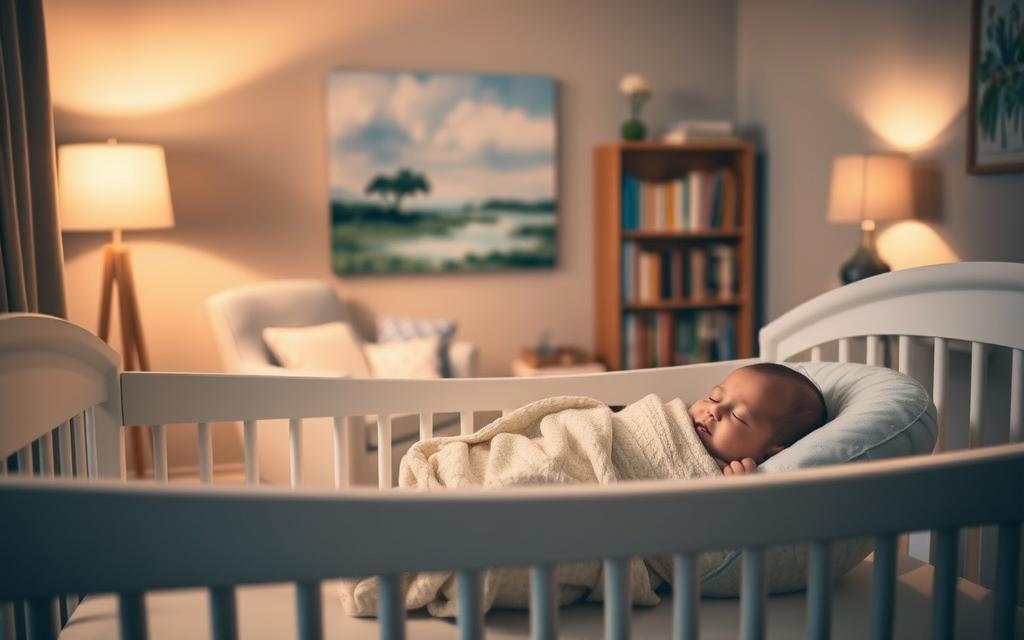
The Cry-It-Out sleep training method is a hot topic among parents and experts. It lets a child cry for a bit before being comforted. This is thought to help them learn to soothe themselves and sleep all night.
Some parents really believe in this method. But others worry it might hurt a child’s feelings. So, the Cry-It-Out sleep training method debate keeps going in the parenting world.
Studies and parenting guides have given us more to think about. They share both the good and bad sides of this sleep training.
Key Takeaways
- Understanding the Cry-It-Out sleep training method is key for parents.
- The debate around this method is complex.
- Parents should weigh different views before deciding.
- Research and expert advice can help guide parents.
- The effect of sleep training on a child’s feelings is a big worry.
Understanding the Cry-It-Out Method
The Cry-It-Out method is a way to help babies sleep better. It lets them cry for a bit before being comforted. This method is also known as the extinction method.
This method isn’t the same for everyone. It has different versions, like the Ferber method, which is a gradual way to help babies sleep.
Definition and Origins
The Cry-It-Out method comes from many theories. It has changed a lot over time.
Ferber Method vs. Extinction Method
The Ferber method was created by Dr. Richard Ferber. It’s a gentle way to help babies sleep. It involves waiting a little longer each night before comforting them.
For example, a parent might wait 3 minutes the first night. Then, they wait a bit longer each night after that.
Historical Development of Sleep Training
Teaching babies to sleep has been around for a long time. The Cry-It-Out method became popular in the 1980s with Dr. Ferber’s book.
Some people think it’s too strict. Others believe it helps babies sleep better.
Different Variations of the Method
Some parents use a softer version of the Cry-It-Out method. They might try the “no tears” approach or a gradual method.
Others mix different sleep training methods. They find a way that works best for their baby.
When Parents Typically Consider This Approach
Parents often think about the Cry-It-Out method when their baby has trouble sleeping. They might also consider it if their baby doesn’t want to go to bed.
It’s important for parents to think about their baby’s personality and their own comfort. This helps them choose the right sleep training method.
Some parents like a slow approach. Others prefer a more direct method.
The Science Behind Infant Sleep
When parents look into sleep training, knowing about infant sleep science is key. It covers normal sleep patterns, sleep cycles, and growth stages.
Normal Sleep Patterns in Babies
Babies sleep differently than adults. It’s important for parents to understand these patterns to make good sleep training choices.
Sleep Cycles and REM Sleep in Infants
Just like adults, babies go through various sleep stages. REM (Rapid Eye Movement) and non-REM sleep are important. REM sleep helps the brain grow, and babies spend a lot of time in this stage.
Night Wakings as Biological Norm
Waking up at night is normal for babies. Studies show they wake up many times, which is natural.
Sleep Associations and Dependencies
Sleep associations are things that help a baby fall asleep. But, they can also create dependencies. This makes it hard for the baby to sleep without these things.
Biological Sleep Development Milestones
As babies grow, they hit sleep milestones. Knowing these can help parents see that some sleep behaviors are just part of growing up.
For example, babies start sleeping longer at night as they get older. Understanding these milestones helps parents be patient and adjust their sleep expectations.
Arguments Supporting the Cry-It-Out Method
The Cry-It-Out method is getting a lot of attention. It’s seen as a baby sleep solution for many families.
Potential Benefits for Parents
One big plus of the Cry-It-Out method is its impact on parents’ mental health. Lack of sleep can really hurt your mental state. A consistent sleep routine can make parents feel less stressed.
Improved Parental Mental Health
More rest for parents means better mental health. This can lead to less anxiety and depression. It makes for a more stable home.
Family Sleep Quality Improvements
The Cry-It-Out method also improves family sleep. When babies sleep better, everyone in the house gets a good night’s rest.
Claimed Benefits for Babies
Supporters say the Cry-It-Out method helps babies learn to soothe themselves.
Self-Soothing Skill Development
By letting babies settle down alone, the method helps them develop self-soothing skills. These skills are key for good sleep in the long run.
Success Stories and Testimonials
Many parents have seen big improvements in their baby’s sleep with the Cry-It-Out method. These sleep training arguments are backed by lots of success stories and testimonials.
| Benefits | For Parents | For Babies |
|---|---|---|
| Improved Sleep | Reduced sleep deprivation | Established sleep routine |
| Mental Health | Lower stress and anxiety | Development of self-soothing skills |
| Family Dynamics | More harmonious household | Better overall wellbeing |
Criticisms and Concerns About Cry-It-Out
Critics say Cry-It-Out might harm an infant’s mental health. They point out that babies are very sensitive to their surroundings and how they interact with their caregivers.
Potential Psychological Impact
The Cry-It-Out method’s psychological effects are a big worry. A major concern is how it makes babies stressed.
Cortisol and Stress Response
Studies show that babies left to cry for a long time have more cortisol. Elevated cortisol levels can affect their growing bodies and minds.
Attachment Theory Perspectives
Attachment theory looks at the bond between a child and their caregiver. Critics think Cry-It-Out might harm this bond.
Trust and Security Development
Meeting a baby’s needs helps build trust and security. Cry-It-Out ignores these needs, which could hurt this process.
Stress Response in Infants
Stress in babies is a complex issue. It has both short-term and long-term effects.
Short-term vs. Long-term Effects
Short-term, Cry-It-Out can cause acute stress in babies. The long-term effects are less clear but could affect emotional and psychological development.
- The Cry-It-Out method can cause immediate stress in infants.
- Long-term effects may include alterations in stress response systems.
- Potential impacts on emotional and psychological development are a concern.
The debate on Cry-It-Out shows how complex caring for infants is. It shows we need to find ways that work for each family’s unique situation.
The Cry-It-Out Sleep Training Method Debate in Research
Many studies have looked into the Cry-It-Out sleep training method. They’ve checked how it affects baby sleep and parent happiness. The results show both good and bad sides.
Scientific Studies Supporting the Method
Some research says Cry-It-Out can help babies cry less and sleep better. Long-term studies also show it doesn’t harm kids’ feelings or behavior.
Long-term Follow-up Studies
A key study in a top pediatric journal found no harm to kids’ emotional health. This study helps us understand the method’s long-term effects.
Research Raising Concerns
But, other studies worry about the Cry-It-Out method’s impact on babies. Stress response in babies is a big concern. Some studies think it might make babies more stressed.
Neurological Development Research
Studies on brain development show early sleep habits can affect the brain. Some think Cry-It-Out might mess with brain growth. But, we need more research to be sure.
Limitations of Current Research
Even with lots of research, there are big limits. Ethical constraints make it hard to do controlled trials. So, we mostly have observational studies with small groups.
Ethical Constraints in Sleep Training Studies
Studying sleep training, like leaving babies to cry, is very tricky. Researchers must find a balance between good science and protecting babies.
Cultural Perspectives on Infant Sleep
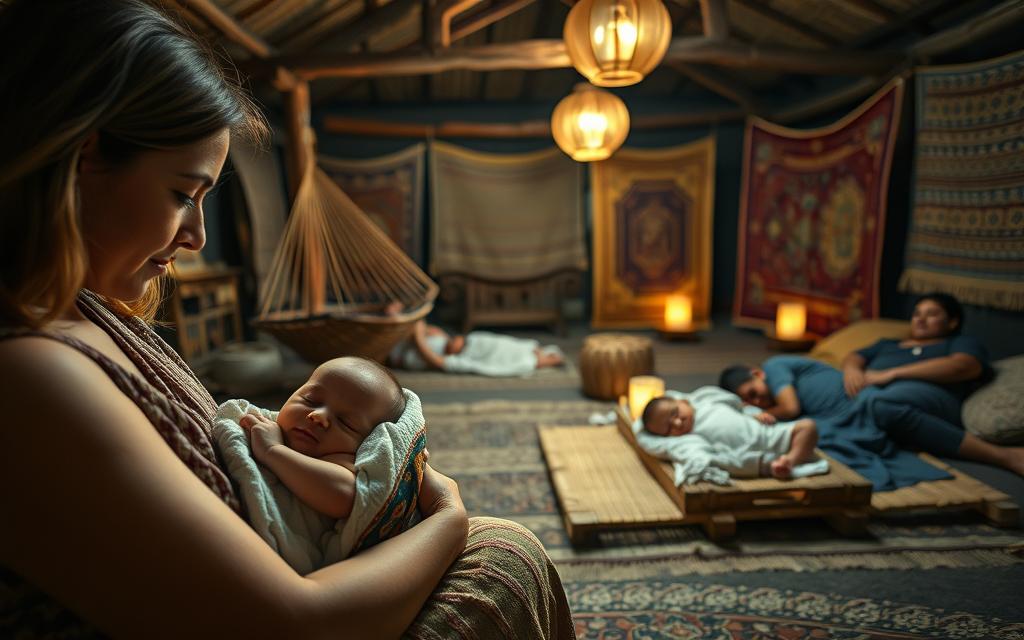
Infant sleep practices vary greatly around the world. This is because different cultures have their own ways of teaching babies to sleep. Some focus on making babies independent, while others encourage them to sleep with family members.
Western vs. Non-Western Approaches
In the West, like the United States, babies are often expected to sleep alone early on. But, many other cultures believe in co-sleeping. This means babies sleep with their parents or family. Studies show co-sleeping can help with breastfeeding and soothing babies at night.
Co-sleeping Cultures and Their Outcomes
In some cultures, co-sleeping is a big part of family life. For example, many Indigenous cultures see it as a way to bond and feel community. Research shows it can help babies and mothers sleep better, making breastfeeding easier and reducing SIDS risk.
Changing Attitudes Toward Sleep Training
Views on sleep training are changing. More parents are choosing gentler methods that fit their cultural values. As we learn more about baby sleep, we’ll see more diversity in how families teach their babies to sleep.
Alternative Sleep Training Approaches
Not all parents like the Cry-It-Out method. Luckily, there are other ways to help babies sleep well. These methods are gentler and help babies learn to sleep on their own.
Gentle Sleep Training Methods
Gentle sleep training focuses on a bedtime routine. It teaches babies to fall asleep by themselves, but not by leaving them to cry. There are two main techniques:
Chair Method and Sleep Lady Shuffle
The Chair Method means sitting next to the baby’s bed until they sleep. Then, you move the chair further away. The Sleep Lady Shuffle is similar but involves less contact as the baby drifts off to sleep.
No-Cry Solutions
No-cry solutions are all about being gentle. Elizabeth Pantley is a big name in this area.
Elizabeth Pantley’s Approach
“The key is not to let your child cry, but to help your child learn to sleep well.”
Elizabeth Pantley’s method is about setting routines and making a sleep-friendly space. This way, babies learn to sleep without getting upset.
Gradual Withdrawal Techniques
Gradual withdrawal techniques slowly take away the help or presence as the baby sleeps. A good example is:
Pick-Up-Put-Down Method
The Pick-Up-Put-Down Method means picking up the baby when they cry and putting them back down when calm. This is done until the baby sleeps. It’s great for parents who want to comfort their baby while teaching them to sleep alone.
These alternative sleep training methods give parents choices based on their style and baby’s needs. By picking a method that feels right, parents can help their babies sleep well.
Evaluating If Cry-It-Out Is Right for Your Family
Choosing the Cry-It-Out method for your baby’s sleep is a big decision. It’s about what’s best for your child and your family. Think carefully about what works for you all.
Assessing Your Child’s Temperament
Every baby is different, with their own personality and needs. Some are more flexible, while others are more sensitive. Understanding your child’s temperament helps decide if Cry-It-Out is right. If your baby is very sensitive, you might choose a gentler approach.
Parental Comfort Level Considerations
Parents have different feelings about Cry-It-Out. Some are okay with it, while others find it hard. Think about your emotional comfort and if this method fits your parenting style.
Medical and Developmental Factors
Some health issues or developmental stages might make Cry-It-Out not work. For example, babies with reflux need special care. Also, hitting certain milestones can change their sleep.
When to Consult a Pediatrician
If you’re not sure about your baby’s health or development, talk to a pediatrician. They can give advice tailored to your child. Discuss these topics with your pediatrician:
- Your baby’s health and any medical conditions
- Developmental milestones and their impact on sleep
- Any sleep training concerns you have
By thinking about these points and talking to a doctor, you can decide if Cry-It-Out is right for your family.
Conclusion: Making an Informed Decision
The Cry-It-Out Sleep Training Method Debate has sparked intense discussion among parents and childcare experts. This method has both supporters and critics, each with valid points. It’s important to understand the science behind infant sleep, the benefits, and the concerns.
Parents need to think about their child’s temperament and their own comfort with the method. They should also consider any medical or developmental factors. There are other sleep training methods, like gentle sleep training and no-cry solutions, for families who don’t like Cry-It-Out.
The choice to use Cry-It-Out or another method depends on each family’s situation. By looking at different views and research on sleep training, parents can make a decision that works for them. This choice helps create a healthy sleep environment for their family.
As the debate on Cry-It-Out Sleep Training Method goes on, parents must stay informed. They should focus on their child’s unique needs. This way, they can handle sleep training with confidence.