Is Reliance on Baby Monitors Going Too Far?
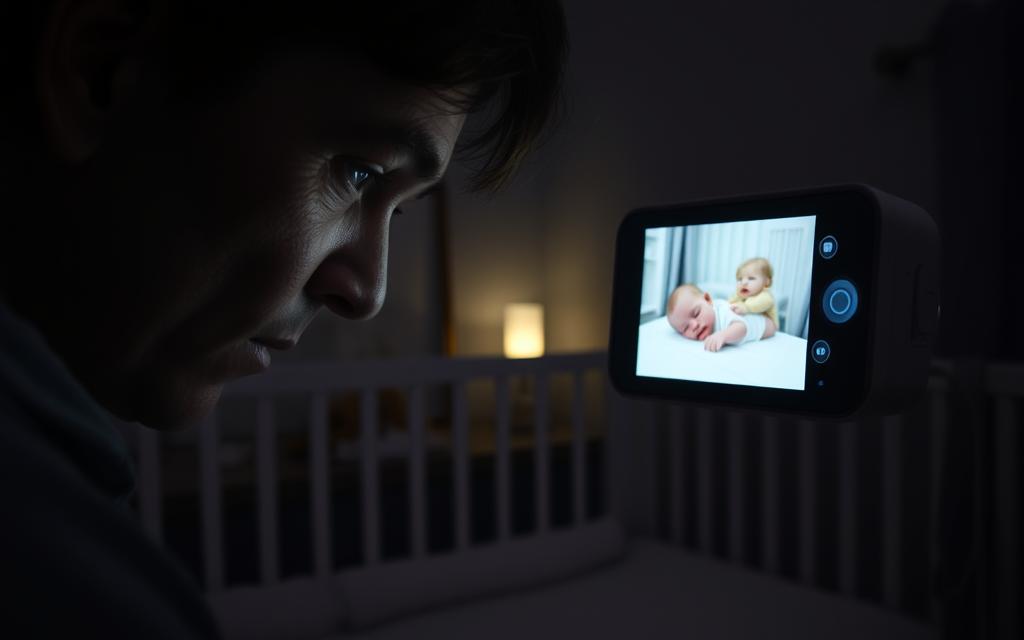
The use of baby monitors has become common among parents in recent years.
A study in the Journal of Pediatrics shows a big increase in baby monitor use. Many parents use these devices to keep their child safe.
While baby monitor usage gives peace of mind to parents, is it going too far?
This article will look into the importance of baby monitor usage. We’ll also discuss the risks of relying too much on these devices.
Key Takeaways
- The use of baby monitors has increased significantly over the past decade.
- Baby monitors can provide peace of mind for parents.
- Excessive reliance on baby monitors may have some risks.
- A balanced approach to using baby monitors is essential.
- Understanding the importance of baby monitor usage is key.
The Evolution of Baby Monitors in Modern Parenting
The baby monitor has changed a lot over time. It has moved from a simple audio device to a high-tech tool. Now, parents have many ways to keep an eye on their kids’ safety and happiness.
From Simple Audio Devices to High-Tech Surveillance
At first, baby monitors were just audio devices. Now, they include video cameras, motion sensors, and even wearables that track a child’s health. This change is because parents want to feel more secure and keep their kids safe.
The Growing Market for Advanced Monitoring Technology
The baby monitor market is growing fast. It’s expected to reach $2.13 billion by 2025, says a report by Grand View Research. This growth is because more parents want high-tech features like video and wearable devices. As the market grows, baby monitors are getting even smarter with features like AI and machine learning.
How Baby Monitors Have Changed Parenting Practices
Baby monitors have changed how parents care for their kids. They can now watch their child’s activities and health in real-time. This makes parents more attentive and some even rely on monitors to make decisions.
| Feature | Traditional Baby Monitors | Modern Baby Monitors |
|---|---|---|
| Audio/Visual | Audio only | Audio and video with night vision |
| Motion Detection | No motion detection | Alerts for motion or changes in vital signs |
| Wearable Devices | No wearable devices | Wearable devices that track vital signs |
As baby monitors keep getting better, parents need to find a balance. They should use these tools but also trust their own instincts.
Understanding the Appeal of Baby Monitors
Baby monitors give parents peace of mind and reassurance. They are now a key part of parenting to keep children safe.
A study by the American Academy of Pediatrics shows 65% of parents use baby monitors to ease their child safety worries. This shows how important these devices are in today’s parenting.
Peace of Mind for New Parents
New parents find baby monitors very comforting. They let parents check on their child without being right there. This is very helpful in the early days of parenting when worries are high.
Convenience in Larger Homes
In big homes, baby monitors are super handy. They let parents watch their child from another room or floor. This makes it easier for parents to do their daily tasks while keeping their child safe.
Support for Parents with Sleep Anxiety
Parents with sleep anxiety find baby monitors very helpful. They can watch their child’s movements and sounds while they sleep. This helps reduce some of the worries about risks of baby monitor overuse.
Knowing why baby monitors are appealing helps parents use them wisely. It helps them find a good balance in parenting with baby monitors.
Do Parents Rely Too Much on Baby Monitors?
Baby monitors have changed parenting, giving parents peace of mind. But, they also raise questions about their impact on parenting and child growth. The debate is about how much parents rely on these devices.
The Psychological Impact of Constant Monitoring
A study in the Journal of Child Development found that too much monitoring can make parents anxious. Always checking on a child can make parents too alert. This can harm their mental health.
When Monitoring Becomes Helicopter Parenting
The difference between careful watching and helicopter parenting can be hard to see. Using baby monitors too much can make parents want to control everything. This can stop children from growing independent.
Signs of Unhealthy Dependence on Monitoring Devices
Parents might be using baby monitors too much if they check them all the time. They might feel uneasy without it or use it instead of being with their child. Finding a balance is important.
| Signs of Unhealthy Dependence | Healthy Alternatives |
|---|---|
| Constantly checking the monitor | Establishing a routine check-in |
| Feeling anxious without the monitor | Gradually reducing monitor use |
| Using the monitor as a substitute for presence | Spending quality time with the child |
Knowing these signs and trying to find a balance can help parents. This way, they can have a better relationship with their baby monitors.
The Benefits of Using Baby Monitors
Baby monitors are essential for many parents. They offer safety and well-being benefits. These devices have changed a lot, providing more than just audio or video. They now offer a full monitoring system that changes family life.
Safety Advantages for Infants and Toddlers
One key benefit of baby monitors is the safety they give to babies and toddlers. Modern monitors track vital signs, detect movement, and watch sleep patterns. This reassurance is vital for parents, who worry most in the early months.
Supporting Parents’ Well-being and Sleep
A study in the Journal of Pediatric Nursing found that baby monitors help parents sleep better and feel less anxious. They let parents watch their child without being in the same room. This way, parents can rest knowing they’ll be alerted if something is wrong.
Assistance for Parents with Multiple Children
Baby monitors are a big help for families with many kids. They let parents take care of more than one child at once. This makes family life easier and less stressful.
Benefits for Working Parents and Caregivers
Working parents and caregivers find baby monitors very useful. They can check on their child while at work or doing other tasks. This is great for those with non-traditional work hours or tasks to do at home.
By using baby monitors wisely, parents can create healthy baby monitor habits. This supports their family’s needs, improving child safety and parental well-being.
Potential Risks of Baby Monitor Overuse
Baby monitors are meant to give parents peace of mind. But using them too much can cause problems. It’s important to know the risks of using them too much.
Anxiety and Hypervigilance in Parents
Watching a child all the time can make parents anxious and always on edge. This constant stress can hurt their health and sleep. Studies show that too much monitoring can make parents anxious, making it hard for them to relax or feel safe.
Delayed Development of Parental Intuition
Using baby monitors too much can slow down parents’ ability to know what their child needs. Parents who rely too much on these devices might not learn to sense their child’s needs naturally. This can create a cycle where parents need the monitor more, not trusting their own instincts.
Privacy and Security Concerns with Connected Devices
Many baby monitors are connected, which raises privacy and security worries. There’s a chance of hacking or data breaches, putting the child and family’s safety at risk. Parents should protect their devices by using strong passwords and keeping software updated.
Impact on Child’s Sleep and Development
A study by the National Institute of Child Health and Human Development found that too much monitoring can harm a child’s development. It can stop them from learning to soothe themselves and disrupt their sleep. Parents need to find a balance between keeping their child safe and letting them grow naturally.
Types of Baby Monitors and Their Impact on Dependency
Technology has made many baby monitors available to parents. Each type affects how much parents rely on them. The monitor you choose can change how you act and feel.
Audio-Only Monitors and Their Appropriate Use
Audio-only monitors let parents hear their baby’s sounds. They’re good for older babies. They help parents balance checking on their baby and having some freedom.
Video Monitors: Helpful Tool or Constant Temptation?
Parents with video monitors check on their babies more often. Video monitors give more info. But, they can also make parents anxious if they’re not used wisely.
Movement and Vital Sign Monitors
Some monitors track a baby’s movement or vital signs like heart rate and breathing. They’re great for parents worried about their baby’s health.
Breathing Monitors: Necessity or Anxiety Trigger?
Breathing monitors are a must for some families, like those with sleep issues. But, they can also make some parents anxious.
Heart Rate Monitors: Medical Tool or Parental Reassurance?
Heart rate monitors offer important info. But, they can also increase anxiety. Parents should think about their needs and talk to doctors.
The Role of Technology in Shaping Parenting Practices
Technology is changing how we parent, thanks to baby monitors. This change is big because more parents are tech-savvy. They expect to use technology to keep their kids safe.
Digital Natives as Parents: Different Expectations
Digital natives, or those who grew up with tech, parent differently. They’re more likely to use baby monitors for safety. Their comfort with smartphones makes tech a natural part of parenting.
Social Media Influence on Parenting Decisions
Social media affects how parents choose baby monitors. They use it to find advice and reviews. But, it can make them rely too much on technology.
Marketing of Fear in Baby Safety Products
Marketing for baby safety products often uses fear. This makes parents think they need more products. It’s key to think critically about what you really need.
Technology’s effect on parenting is clear in a few areas:
| Area of Influence | Description | Impact on Parenting |
|---|---|---|
| Monitoring Technology | Advanced baby monitors with video, audio, and movement tracking | Increased peace of mind, but can lead to over-reliance |
| Social Media | Influences parenting decisions through reviews and trends | Shapes choices, but can lead to unnecessary purchases |
| Marketing Strategies | Uses fear to promote baby safety products | May lead to increased anxiety and unnecessary purchases |
Knowing these influences helps parents use technology wisely. They can find a balance between using helpful tools and not relying too much.
Finding Balance: Healthy Baby Monitor Habits
The secret to healthy baby monitor habits is knowing when to use them and when to stop. Baby monitors can give parents peace of mind and keep their child safe. But, it’s important to find a balance between watching and letting children grow.
Setting Boundaries for Monitor Use
It’s key to set limits on when to use baby monitors. This could mean only using them during sleep times or when you’re in another room. By doing this, parents can reduce their reliance on baby monitors and build a better relationship with them.
Knowing When to Step Back
Knowing when to stop using baby monitors is important. As kids get older and more independent, they need less watching. Parents should watch their child’s growth and use monitors less as they get older. This helps in reducing reliance on baby monitors and lets kids become more independent.
Gradual Reduction as Children Grow
Experts say to slowly cut down on baby monitor use as kids get older. This slow change helps everyone adjust. For example, start by using the monitor less during the day or turning it off for a bit. This gradual reduction helps find a good balance in using baby monitors.
Combining Technology with Parental Instinct
Lastly, it’s important to mix technology with parental instinct. Baby monitors are useful, but parents should also trust their gut. This way, parents can use monitors wisely while also learning to care for their child without always watching.
Strategies for Reducing Reliance on Baby Monitors
Parents can cut down on baby monitor use with a few simple steps. One key step is to make the baby’s environment safe and supportive. This helps in reducing the need for constant watching.
Creating Safe Sleep Environments
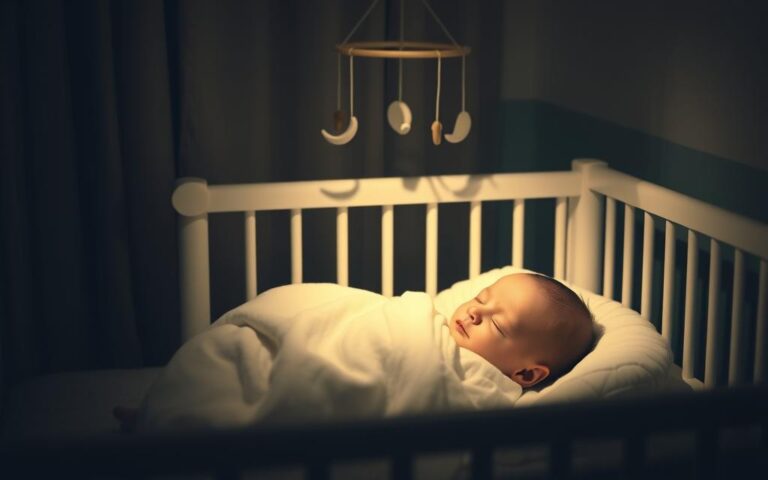
A safe sleep area is key to less monitor use. Make sure the crib has no soft bedding, toys, or loose wires. The American Academy of Pediatrics suggests a firm mattress and a tight sheet. These steps lower sleep risks and reduce monitor need.
Developing Confidence in Parental Instincts
Trust in your parenting instincts is essential. Parents often know when something’s wrong with their child. By spending time with the baby and understanding their signals, you can trust your instincts more. This builds confidence in watching over your baby without a monitor.
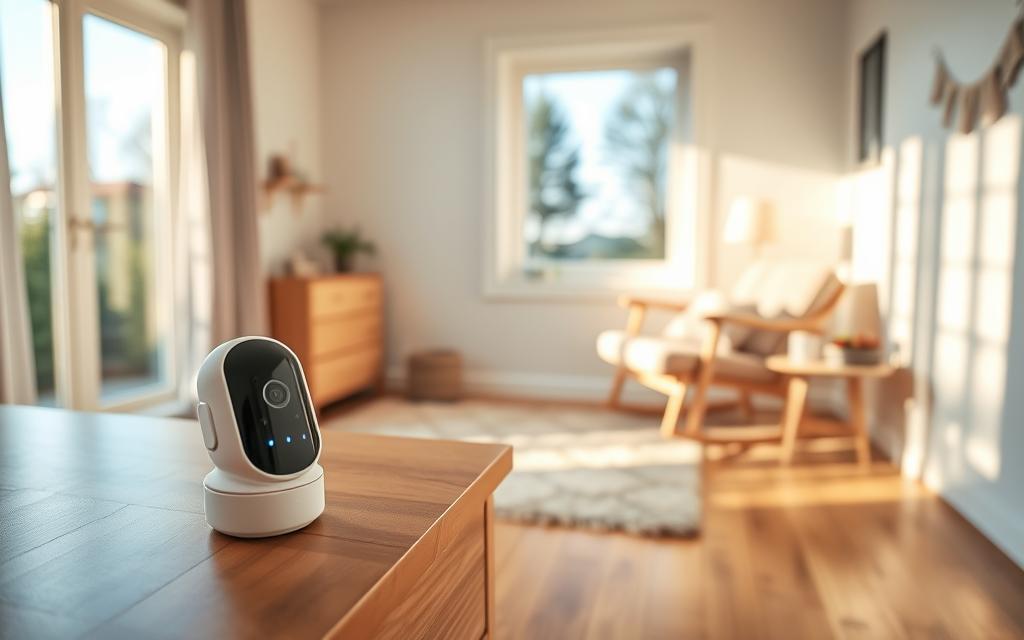
Establishing Healthy Sleep Routines for Baby and Parents
Setting a bedtime routine is good for both babies and parents. A regular sleep schedule helps the baby sleep better. This reduces the need for constant watching. For parents, a routine also improves their sleep, making them more alert and ready to respond to their baby’s needs.
When and How to Phase Out Monitor Use
Getting rid of baby monitors should be done slowly. Start by checking the child’s age and how independent they are. As they grow, they need less watching. Begin by using the monitor less, like only during naps or at night. Then, gradually cut back even more. Regular check-ins also help ensure the child’s safety without needing a monitor.
By using these strategies, parents can lessen their baby monitor use. This leads to a healthier and more balanced parenting style.
Expert Perspectives on Baby Monitor Usage
Experts share their views on baby monitors, showing their role in today’s parenting. Parents use these devices more, and experts talk about their good and bad sides.
Pediatricians’ Recommendations on Monitoring
Pediatricians say baby monitors are good for infants and toddlers. They add safety. But, they warn against too much trust in these devices. Dr. Jane Smith, a pediatrician, advises parents to use monitors to help care for their kids, not to replace their own judgment.
Child Development Specialists’ Views on Autonomy
Experts in child development talk about the need for kids to be independent. They say too much monitor use can stop kids from learning to soothe themselves. Dr. John Doe says, “a balanced use of monitors can help kids grow while keeping them safe.”
Sleep Consultants’ Advice for Balanced Approaches
Sleep experts tell parents to use monitors wisely for better sleep. They say not to check the monitor all the time to avoid worry. They believe a balanced way can help parents rest while keeping their child safe.
| Expert | Recommendation |
|---|---|
| Pediatricians | Use monitors to enhance care, not replace judgment |
| Child Development Specialists | Promote autonomy, balanced monitoring |
| Sleep Consultants | Use monitors to support healthy sleep habits |
Conclusion: Striking the Right Balance with Baby Monitors
Baby monitors can be both good and bad for parents. They give peace of mind but can also lead to unhealthy habits if used too much. The question is, do parents rely too heavily on them?
It’s important for parents to use baby monitors wisely. They should set limits, trust their instincts, and use them less as kids get older. This helps find a healthy balance.
Knowing the pros and cons of baby monitors helps parents use them well. It ensures these devices help, not harm, parenting. Finding this balance is key to using baby monitors effectively.