Tracking Ovulation: What Works Best According to Experts
Knowing your body’s cycle is key for family planning. Figuring out when you ovulate can really help you get pregnant. Healthcare pros say knowing the best ways to track fertility makes a big difference.
Experts suggest many ways to track ovulation, from simple tests at home to advanced digital tools. By trying these methods, people can plan better and boost their chances of getting pregnant.
Key Takeaways
- Understanding ovulation is key to successful family planning.
- Various methods are available for tracking ovulation, including at-home tests and digital solutions.
- Choosing the right fertility tracking method can significantly improve conception chances.
- Expert recommendations can guide individuals in selecting the most effective ovulation tracking techniques.
- Being informed about fertility and ovulation can empower individuals in their family planning journey.
The Science Behind Ovulation and Fertility
Ovulation is key to female fertility, controlled by a complex hormonal process. This process includes many changes that show when a woman is most fertile.
The Hormonal Process of Ovulation
The menstrual cycle is kept in balance by hormones like estrogen and progesterone. The luteinizing hormone (LH) surge is a big sign that ovulation is near. It usually happens 24-36 hours before an egg is released.
Identifying Your Fertile Window
The fertile window is when getting pregnant is most likely. It includes the five days before ovulation, the day of ovulation, and the day after. Tracking this window well is key to better chances of getting pregnant.
| Day | Event | Conception Likelihood |
|---|---|---|
| 5 days before ovulation | Sperm viability begins | Low |
| 1-2 days before ovulation | LH surge, peak fertility | High |
| Day of ovulation | Egg release | Very High |
Why Accurate Tracking Improves Conception Chances
Knowing and tracking ovulation well can greatly help couples get pregnant. Expert advice on ovulation tracking stresses the need to find the fertile window and plan sex right.
Recognizing Natural Ovulation Signs and Symptoms
Understanding your body’s natural cues can help a lot with tracking ovulation. Many women notice changes in their body that help them understand their cycle better. This way, they can find out when they are most fertile.
Primary Physical Indicators
The body shows several signs that ovulation is coming. These include changes in basal body temperature, cervical mucus, and feelings like mittelschmerz.
Basal Body Temperature Shifts
Basal body temperature (BBT) usually drops slightly before ovulation and then goes up after. Tracking BBT can show when ovulation happens.
Cervical Mucus Changes
Cervical mucus gets more fluid and helps sperm move around ovulation time. Watching these changes can help guess when you’re most fertile.
Mittelschmerz (Ovulation Pain)
Some women feel mittelschmerz, a mild pain on one side of the abdomen, during ovulation. This pain happens when an egg is released from the ovary.
Secondary Signs to Monitor
There are also secondary signs that can give more clues about ovulation.
Breast Tenderness
Hormonal changes can make breasts tender, which some women notice around ovulation time.
Increased Libido
Many women feel more sexually attracted during their fertile period. This might be because of the hormonal changes happening then.
Heightened Sense of Smell
Research shows that women’s sense of smell might get sharper during the fertile part of their cycle.
| Signs | Description | Reliability |
|---|---|---|
| Basal Body Temperature Shifts | Temperature drops before ovulation, then increases | High |
| Cervical Mucus Changes | Mucus becomes more fluid around ovulation | High |
| Mittelschmerz | Mild pain on one side of the abdomen during ovulation | Moderate |
| Breast Tenderness | Hormonal fluctuations cause breast tenderness | Low to Moderate |
| Increased Libido | Increase in sexual desire during the fertile period | Low to Moderate |
| Heightened Sense of Smell | More acute sense of smell during the fertile phase | Low |
By noticing and using these natural signs and symptoms, women can better understand their cycle. This helps them track ovulation more effectively and boosts their chances of getting pregnant.
Basal Body Temperature Method: Expert Analysis
Tracking ovulation through Basal Body Temperature is a detailed process. It can show important fertility details. To get accurate results, you need to track your temperature every day and know how to read the data.
Proper Temperature Taking Techniques
To get the most out of BBT tracking, follow proper temperature taking techniques. Use a basal thermometer and take your temperature at the same time each morning. Record your readings on a chart or in an app.
Interpreting BBT Charts Effectively
Reading BBT charts means looking for patterns over several cycles. A slight increase in temperature usually means you’ve ovulated. Spotting these patterns helps find your fertile days.
Accuracy Rates According to Clinical Studies
Clinical studies show the BBT method’s accuracy varies. It’s not always reliable on its own but works well when combined with other fertility tracking methods. This makes it a good tool for maximizing ovulation tracking results.
Recommended Thermometers and Tools
For precise BBT tracking, a high-quality basal thermometer is key. Choose digital thermometers that show readings to two decimal places. Fertility tracking apps can also help with recording and understanding your BBT data.
Cervical Mucus Monitoring: Professional Insights
Cervical mucus changes throughout the menstrual cycle, showing when ovulation is near. This change is not random. It’s influenced by hormonal shifts, mainly the rise in estrogen as ovulation gets closer.
The Science of Cervical Fluid Changes
During ovulation, cervical mucus becomes perfect for sperm to move through. It changes from thick and cloudy to clear and slippery. This shift is key for optimizing fertility with ovulation tracking, marking the fertile time.
Step-by-Step Monitoring Techniques
Women should check their cervical mucus daily, at the same time. They can do this by looking at the mucus on toilet paper after wiping or by gently inserting a clean finger into the vagina.
Combining with Other Methods for Better Results
Using cervical mucus monitoring with other methods like basal body temperature charting or an ovulation tracker can make it more effective.
Expert Opinions on Reliability and Limitations
| Method | Reliability | Limitations |
|---|---|---|
| Cervical Mucus Monitoring | Moderate | Can be affected by various factors such as hygiene products or certain medical conditions. |
| Combination with BBT | High | Requires consistent tracking and understanding of both methods. |
Ovulation Predictor Kits: Medical Perspective
The medical world sees Ovulation Predictor Kits as a good way to guess when you’ll ovulate. They work by finding the luteinizing hormone (LH) in your urine. This hormone spike usually happens 24-48 hours before you ovulate.
Types of OPKs and How They Work
Ovulation Predictor Kits vary in what they offer and how they work.
Urine-Based LH Tests
These kits are the most common. They find LH in your urine to predict ovulation. They come in different sensitivities and can be very accurate if used right.
Digital Monitors
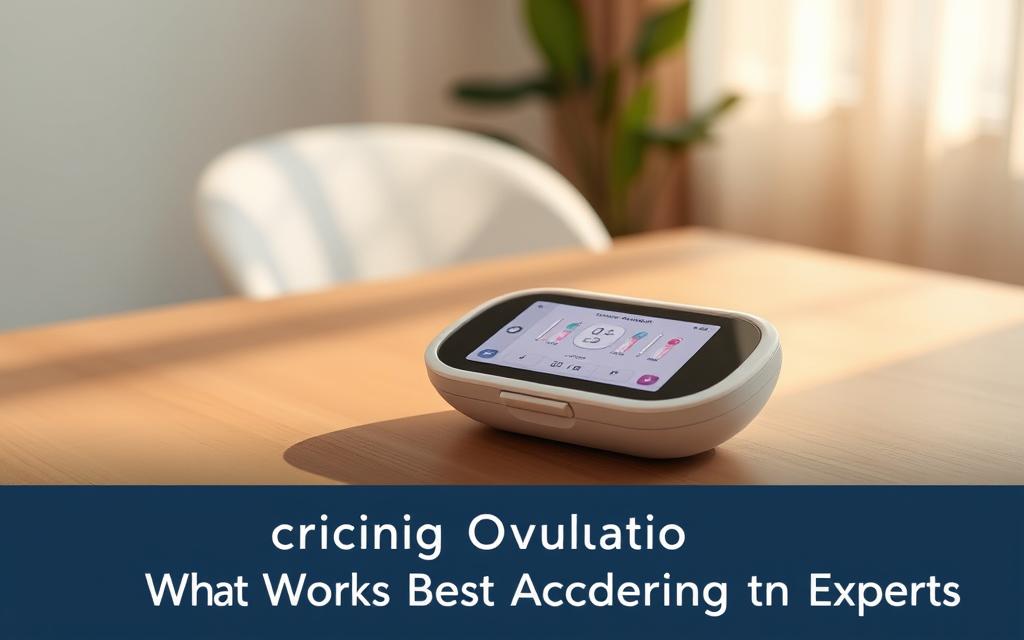
Digital OPKs are newer and show clearer results. They also track your fertility windows and cycle.
Saliva Ferning Tests
These tests look for changes in your saliva during your cycle. They find the ferning pattern that shows up before ovulation.
Accuracy Rates and Research Findings
Research shows OPKs can be very accurate. Some urine-based LH tests have accuracy rates over 99%. But, how accurate they are can depend on the test type and how well you use it.
| Type of OPK | Accuracy Rate | Ease of Use |
|---|---|---|
| Urine-Based LH Tests | 99% | High |
| Digital Monitors | 98% | Very High |
| Saliva Ferning Tests | 85% | Medium |
Cost-Benefit Analysis of Different Brands
When picking an OPK, think about the cost and what you get. Some brands might be more accurate or have more features, but they might cost more.
Key Considerations: Accuracy, ease of use, extra features, and price.
Fertility Tracking Apps and Digital Solutions
Digital tools for tracking fertility have become very useful. They help people understand their reproductive health better. These apps use algorithms to guess when you might ovulate, based on what you tell them.
Fertility tracking apps have gotten a lot better. They now have many features to help them work better and be easier to use.
Top Apps Recommended by Reproductive Specialists
Many fertility tracking apps are highly recommended by doctors. Clue and Natural Cycles are two examples. They are known for being accurate and easy to use.
These apps are great because they give you insights that are just for you. They also adjust to how your cycle changes.
Algorithm Accuracy and Scientific Validation
The accuracy of these apps depends on their algorithms and the data they learn from. It’s important that these apps have been tested and proven to work. This means they can give you more reliable information.
Features That Make a Difference in Tracking Success
Some features make tracking your fertility better. These include being able to customize what you input, connecting with wearables, and getting insights that are just for you. These help you understand your fertility window better.
- Customizable data input for personalized tracking
- Integration with other health and fitness devices
- Advanced algorithms for predicting ovulation
Integrating Apps with Other Tracking Methods
For the best results, experts suggest using apps with other ways to track fertility. This could be tracking your basal body temperature or checking your cervical mucus. Using different methods together can give you a clearer picture of when you might ovulate.
Tracking Ovulation: What Works Best According to Experts
Experts say the best way to track ovulation is to use a mix of methods. They find that using more than one way can give better results. This helps people understand when they are most fertile.
Comparative Effectiveness of All Methods
There are many ways to track ovulation, and each has its own success rate. Ovulation Predictor Kits (OPKs) are great at spotting the hormone surge. Basal Body Temperature (BBT) tracking shows if ovulation has happened. Checking cervical mucus also gives clues about fertility.
Studies show mixing these methods can make tracking more accurate. For example, using OPKs and BBT together can predict and confirm ovulation.
Expert Consensus on Most Reliable Approaches
Most experts agree that mixing methods is the best way to track ovulation. Dr. Jane Smith, a reproductive endocrinologist, says, “Using different tracking methods can give a full picture of a woman’s cycle. It can also boost chances of getting pregnant.”
Personalized Recommendations Based on Age and Health
Age and health are important when choosing how to track ovulation. Women over 35 might need to use OPKs more often because of egg quality and quantity issues. Those with irregular cycles might do well with BBT and cervical mucus tracking together.
Combining Methods for Maximum Accuracy
Experts recommend using at least two methods for better tracking. For example, a fertility app can track cycles and symptoms, while OPKs can predict ovulation. Consistency and patience are important when using multiple methods.
By knowing the strengths and weaknesses of each method and choosing what works best for them, women can increase their chances of getting pregnant.
Advanced Ovulation Tracking Technologies
New technologies are changing how we track fertility, making it more precise and easy. These tools are great for those wanting to optimize their fertility with ovulation tracking.
Many new methods have come up, each with its own benefits and features.
Wearable Fertility Trackers
Wearable fertility trackers are popular because they’re easy to use and collect lots of data. Devices like Fertility Tracker and Natural Cycles track ovulation by monitoring different body signs.
Continuous Core Body Temperature Monitors
Tracking your body temperature continuously is another advanced way to track ovulation. Tools like Tempdrop and Avawomen give you constant temperature updates. This helps spot small changes that show when you’re ovulating.
Hormone Testing Devices
Hormone testing devices directly measure hormone levels in your body. They can find the LH surge before ovulation. This makes them key ovulation monitoring tools.
| Device Type | Method of Tracking | Accuracy |
|---|---|---|
| Wearable Fertility Trackers | Physiological parameters | High |
| Continuous Core Body Temperature Monitors | Core body temperature | Very High |
| Hormone Testing Devices | Hormone level measurement | High |
Future Innovations in Fertility Tracking
The future of tracking fertility looks bright, with new tech like AI and advanced hormone monitoring. These will make ovulation monitoring tools even better and easier to use.
Troubleshooting Common Tracking Challenges
Ovulation tracking can be tough, mainly for those with irregular cycles or going through perimenopause. Experts suggest ways to tackle these issues. They aim to boost women’s chances of getting pregnant.
Solutions for Irregular Cycles
Women with unpredictable cycles can try different tracking methods. Ovulation predictor kits (OPKs) spot the LH surge. Basal body temperature tracking confirms ovulation.
Tracking During Perimenopause
In perimenopause, hormone changes complicate tracking. But, fertility tracking apps with smart algorithms can spot cycle patterns.
| Tracking Method | Irregular Cycles | Perimenopause |
|---|---|---|
| OPKs | Effective for detecting LH surge | May be less reliable due to hormonal fluctuations |
| Basal Body Temperature | Can confirm ovulation | May be affected by hormonal changes |
| Fertility Apps | Helpful in identifying cycle patterns | Useful for tracking changes during perimenopause |
Adjusting Methods After Hormonal Birth Control
Stopping hormonal birth control can delay natural cycles. Experts suggest patience and using various tracking methods to track progress.
When to Seek Professional Fertility Evaluation
If tracking ovulation is hard or getting pregnant after a year is tough, seek help. A professional fertility evaluation can offer tailored advice and treatments.
Conclusion: Creating Your Personalized Ovulation Tracking Plan
Creating a personalized ovulation tracking plan means picking the best methods for you. It’s about understanding the different ways to track ovulation and what works best. This way, you can make a plan that fits your life and fertility dreams.
Experts say using a tracker that combines methods is key. This approach boosts your chances of getting pregnant. It’s all about getting the most out of your tracking efforts.
Being consistent and patient is key when tracking ovulation. Think about your own needs, like irregular cycles or age-related fertility issues. This helps you choose the right method for you.
By making a plan that fits your needs and using a mix of methods, you can really up your chances of reaching your fertility goals. It’s all about finding what works best for you.