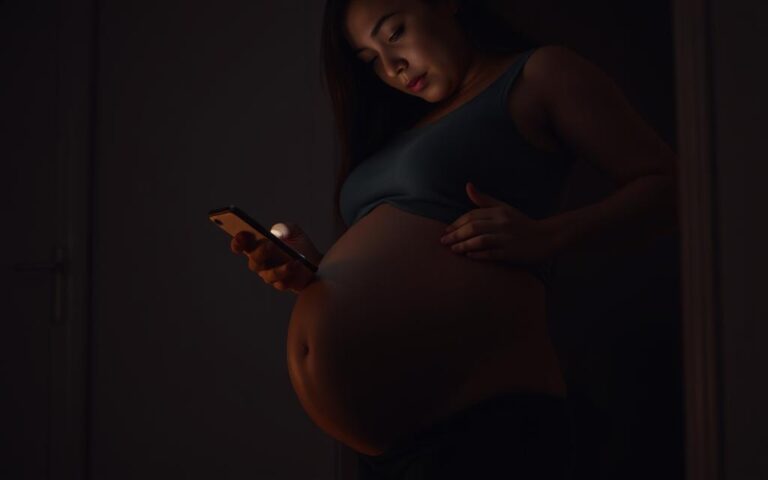
Endometriosis and Pregnancy: Real Stories of Hope

Getting a diagnosis of endometriosis can change a woman’s life, often affecting her plans to have children.
Women like Christine Sturla, Lori Brown Finkelstein, and Judy Kim show that conceiving with endometriosis is possible.
These women, who have had successful pregnancies despite endometriosis, share their stories. They offer hope and reassurance to others facing similar challenges.
Their experiences show the complexities of endometriosis. They also highlight the strength of women who keep going, even when it’s hard.
Key Takeaways
- Women with endometriosis can conceive and have healthy pregnancies.
- Personal stories of success can offer hope to those struggling.
- Endometriosis requires careful management during pregnancy.
- Support from healthcare providers is key.
- Many women have successfully navigated endometriosis and pregnancy.
The Endometriosis-Fertility Connection
Endometriosis is a chronic and often painful condition that can affect a woman’s fertility. It impacts millions of women worldwide, causing discomfort and making it hard to conceive. Knowing how endometriosis and fertility are connected is key for those trying to start a family.
What Is Endometriosis?
Endometriosis is when tissue like the lining of the uterus grows outside the uterus. This causes inflammation, scarring, and adhesions. Symptoms include pelvic pain, heavy bleeding, and infertility. Experts say endometriosis can change the body’s anatomy, affecting how it reproduces.
How Endometriosis Affects Fertility
Dr. Vladimir Nikiforouk, an OB-GYN, says endometriosis can make it hard to get pregnant. It can block and destroy the body’s normal anatomy and lower the number of eggs a woman can produce. The condition causes inflammation and scarring in the reproductive organs. This makes it tough for sperm to reach the egg or for a fertilized egg to implant in the uterus.
Fertility treatments for women with endometriosis may include medical and surgical options. It’s important for women to know these treatments to improve their chances of getting pregnant.
The Emotional Journey of Trying to Conceive
For those with endometriosis, the road to pregnancy is filled with hurdles. These challenges test their emotional strength. Trying to conceive is a daunting task, filled with uncertainty and disappointment.
Navigating Uncertainty and Disappointment
Women with endometriosis often face a rollercoaster of emotions. The uncertainty of conception can lead to anxiety and fear about the future.
Some of the emotional challenges include:
- Uncertainty about fertility: Not knowing if or when conception will occur.
- Fear of possible risks: Concerns about the health of the pregnancy and the impact of endometriosis.
- Disappointment with failed attempts: Dealing with the emotional fallout of unsuccessful conception attempts.
Finding Strength and Resilience
Despite these challenges, many women find ways to cope and build resilience. Support systems, whether through loved ones, support groups, or professional counseling, play a key role in navigating this journey.
Key strategies for building resilience include:
- Seeking support: Connecting with others who understand the challenges.
- Focusing on mental health: Practicing self-care and stress management techniques.
- Staying informed: Educating oneself about endometriosis, fertility, and pregnancy to reduce uncertainty.
Sarah’s Story: Natural Conception After Years of Pain
The journey to becoming a parent can be tough. But Sarah’s story shows how she beat endometriosis to conceive naturally. Her story is one of hope and overcoming obstacles.
Diagnosis and Treatment Journey
Sarah’s life changed when she was diagnosed with endometriosis. This condition caused her a lot of pain and hurt her chances of getting pregnant. After a laparoscopy to remove the lesions, Sarah wanted to conceive naturally.
Her treatment journey was tough. It needed patience, strength, and a lot of support. Her healthcare team was key in helping her manage symptoms and improve her fertility.
The Moment Everything Changed
When Sarah found out she was pregnant, it was a moment of pure joy. It was the result of her hard work, hope, and medical help. This moment marked the start of a new chapter in her life.
Key factors that helped Sarah conceive included:
- A treatment plan made just for her
- A supportive healthcare team
- Changes in her lifestyle to boost fertility
Pregnancy Experience with Endometriosis
Sarah’s pregnancy was special because of her endometriosis history. She faced some hurdles, but her doctors kept a close eye on her. They made sure her pregnancy was healthy.
“I was determined to enjoy every moment of my pregnancy, despite the challenges posed by endometriosis,” Sarah said.
Sarah’s story is a light of hope for women facing similar issues. It shows the power of good medical care, personal strength, and support in beating endometriosis-related infertility.
Medical Approaches to Improving Fertility with Endometriosis
Women with endometriosis have several medical options to improve their fertility. These include surgeries and hormonal treatments. These methods aim to help women conceive by fixing the problems caused by endometriosis.
Surgical Interventions
Laparoscopic surgery is a common surgical option. It removes endometrial lesions and adhesions that might harm reproductive organs. A study in the Journal of Minimally Invasive Gynecology showed it boosts pregnancy chances for women with endometriosis.
Hormonal Treatments
Hormonal therapies are also used to manage endometriosis and fertility issues. They help balance hormones and lessen symptoms. But, their effect on fertility is not always clear-cut and is often used alongside other treatments.
Timing and Planning Considerations
Timing is key when trying to conceive with endometriosis. Knowing the best time to try, whether naturally or through IVF, can greatly affect success. A healthcare provider can guide based on individual needs.
| Treatment Option | Description | Impact on Fertility |
|---|---|---|
| Laparoscopic Surgery | Minimally invasive surgery to remove endometrial lesions and adhesions. | Can improve fertility by removing obstacles to conception. |
| Hormonal Therapies | Treatments to regulate hormonal imbalances and reduce symptoms. | Can help manage symptoms; impact on fertility varies. |
| IVF | Assisted reproductive technology involving egg retrieval and fertilization outside the body. | Can significantly improve chances of conception. |
Dr. Andrew S. Cook notes, “Surgical treatment of endometriosis can improve fertility outcomes, but the decision to proceed with surgery should be made on a case-by-case basis.” This shows the need for tailored treatment plans.
“The decision to undergo surgery or other medical treatments should be based on individual factors, including the severity of endometriosis and overall health.”
Emily’s Journey: Success Through IVF
Emily’s story shows the strength needed to beat endometriosis fertility issues. She faced many failed tries to get pregnant, both naturally and with IVF.
Multiple Failed Attempts
Emily was disappointed by many failed IVF cycles. Each failure was hard on her, but she kept trying to have a family. Her endometriosis symptoms made each attempt tough, both physically and emotionally.
The IVF Process with Endometriosis
Emily’s IVF journey needed careful planning and managing her endometriosis. Her doctors created a special treatment plan for her, including It was a long and challenging process, but she had a strong support system.
Pregnancy After Assisted Reproduction
After a lot of hard work and medical help, Emily got pregnant with IVF. Her pregnancy was special, with some relief from her endometriosis symptoms. But she stayed careful for any pregnancy problems. Emily’s story shows the power of personalized care and support for women with endometriosis trying to get pregnant.
Emily’s success story gives hope to others facing endometriosis and pregnancy challenges. It shows the importance of staying strong, getting the right medical help, and having a supportive network for a successful endometriosis pregnancy journey.
Endometriosis and Pregnancy: Real Stories of Hope
Many women have overcome endometriosis to have a healthy baby. Their stories offer hope to those facing the same challenges. They show that it’s possible to conceive despite endometriosis.
These women’s experiences are both inspiring and helpful. They share insights into how to have a successful pregnancy with endometriosis.
Jessica’s Experience: Managing Stage IV Endometriosis
Jessica had Stage IV endometriosis, a severe case. Yet, she was determined to have a child. Her strength and her healthcare team’s help were key to her success. Her story shows the power of perseverance.

Michelle’s Path: Combining Traditional and Alternative Approaches
Michelle used a mix of traditional and alternative treatments for her endometriosis. This approach helped her manage symptoms and boost her fertility. Her experience shows the value of a holistic approach to health.
Lisa’s Journey: Unexpected Natural Conception
Lisa’s story is filled with joy. Despite years of trying, she conceived naturally. Her journey reminds us that surprises can happen in life. Lisa’s story highlights the unpredictable nature of fertility.
These stories show that endometriosis doesn’t mean a woman can’t have a baby. With the right mindset, support, and care, women can overcome endometriosis and have a successful pregnancy.
Natural Approaches to Boosting Fertility
Using natural ways to boost fertility is key for women with endometriosis. While medical treatments are needed, natural methods can also help. They can make fertility and overall health better.
Dietary Changes for Fertility
An anti-inflammatory diet is full of fruits, veggies, and omega-3s. It can lower inflammation from endometriosis, which might help with fertility. Foods like berries and leafy greens are great because they’re full of antioxidants.
Stress Management Techniques
Stress management is very important for women with endometriosis who want to get pregnant. Yoga and meditation can lower stress. This helps balance hormones and can make fertility better.
Complementary Therapies
Acupuncture has been shown to help women with endometriosis get pregnant. It can help make menstrual cycles regular and improve reproductive health.
Adding these natural methods to their lives can help women with endometriosis. It might increase their chances of getting pregnant.
Managing Endometriosis During Pregnancy
Pregnancy can change a lot for women with endometriosis. It affects both the condition and the pregnancy. It’s key for women to work closely with their healthcare providers to manage symptoms well.
Symptom Changes During Pregnancy
For some, pregnancy can make endometriosis symptoms better. This is due to hormonal changes during pregnancy. But, not all women see this relief, and some symptoms may stay the same.
Potential Complications
Even if symptoms improve, pregnancy can bring risks. These include a higher chance of preterm labor or miscarriage. Regular check-ups with a healthcare team can help lower these risks.
Collaboration with Healthcare Providers
Managing endometriosis during pregnancy needs teamwork. This means regular check-ups, custom treatment plans, and quick action on any issues.
By understanding how pregnancy affects endometriosis and working with healthcare providers, women can manage this complex time. This ensures the best outcomes for their condition and pregnancy.
Coping Strategies for Pregnancy with Endometriosis
Dealing with endometriosis during pregnancy needs a mix of physical, emotional, and mental care. Women with endometriosis must find ways to handle their symptoms and keep their pregnancy healthy.
Physical Support Techniques
Physical support is key in managing endometriosis symptoms during pregnancy. Gentle exercises like prenatal yoga or swimming can ease pain and boost flexibility. Also, proper posture and body mechanics help avoid body strain.
Pain Management Options
Managing pain well is vital for women with endometriosis during pregnancy. Doctors might suggest acetaminophen or other safe pain meds. Acupuncture or physical therapy can also help.
Emotional Well-being Practices
Keeping your emotional health up is just as important during pregnancy with endometriosis. Mindfulness meditation and counseling can help with stress and anxiety. Having a strong support network of family, friends, and groups can offer emotional support.
Building Your Support Network
Having a strong support network is key for women with endometriosis during pregnancy. This network helps you deal with the tough parts of pregnancy with endometriosis.
Finding the Right Medical Team
Finding a good medical team is the first step. They should know a lot about endometriosis and how it affects pregnancy.
Community Resources and Support Groups
Meeting others who face the same issues can be very empowering. Support groups online or in-person are great places to share and get advice.
Partner and Family Support
Partners and family are very important. Their support and understanding can really help reduce stress from managing endometriosis during pregnancy.
Life After Successful Pregnancy
Carrying a pregnancy to term is just the start for women with endometriosis. The postpartum period comes with its own set of challenges. These include managing endometriosis symptoms after childbirth and planning for future pregnancies.
Endometriosis After Childbirth
After childbirth, women with endometriosis may see a temporary relief from symptoms. It’s essential to continue monitoring and managing endometriosis in the postpartum period. Hormonal changes, breastfeeding, and caring for a newborn can affect endometriosis symptoms.
Planning for Subsequent Pregnancies
For women who want more children, planning for subsequent pregnancies is key. The gap between pregnancies can impact endometriosis symptoms and fertility. It’s wise to consult with a healthcare provider to find the best timing.
Long-term Management Strategies
Managing endometriosis long-term involves medical treatments, lifestyle changes, and sometimes surgery. Here’s a table with key strategies:
| Strategy | Description | Benefits |
|---|---|---|
| Hormonal Treatments | Use of hormonal therapies to regulate or suppress endometriosis symptoms | Reduces symptoms, can improve quality of life |
| Lifestyle Changes | Dietary adjustments, stress management, and regular exercise | Can reduce symptoms, improves overall health |
| Surgical Interventions | Surgery to remove endometrial lesions or affected organs | Can provide significant symptom relief, improves fertility in some cases |
By understanding and using these strategies, women with endometriosis can manage their condition better. This improves their quality of life after a successful pregnancy.
Conclusion
Women like Sarah, Emily, Jessica, Michelle, and Lisa prove that endometriosis doesn’t stop you from getting pregnant. Their stories of hope and strength inspire others facing the same issues.
These tales emphasize the need to keep going, get the right medical help, and have a supportive network. They show that it’s possible to have a healthy pregnancy despite endometriosis.
For those dealing with endometriosis and trying to get pregnant, these stories offer hope and reassurance. They remind us that every journey is different. With the right support, a successful pregnancy is within reach.