
The Lowdown on Foremilk vs. Hindmilk for Baby’s Nutrition
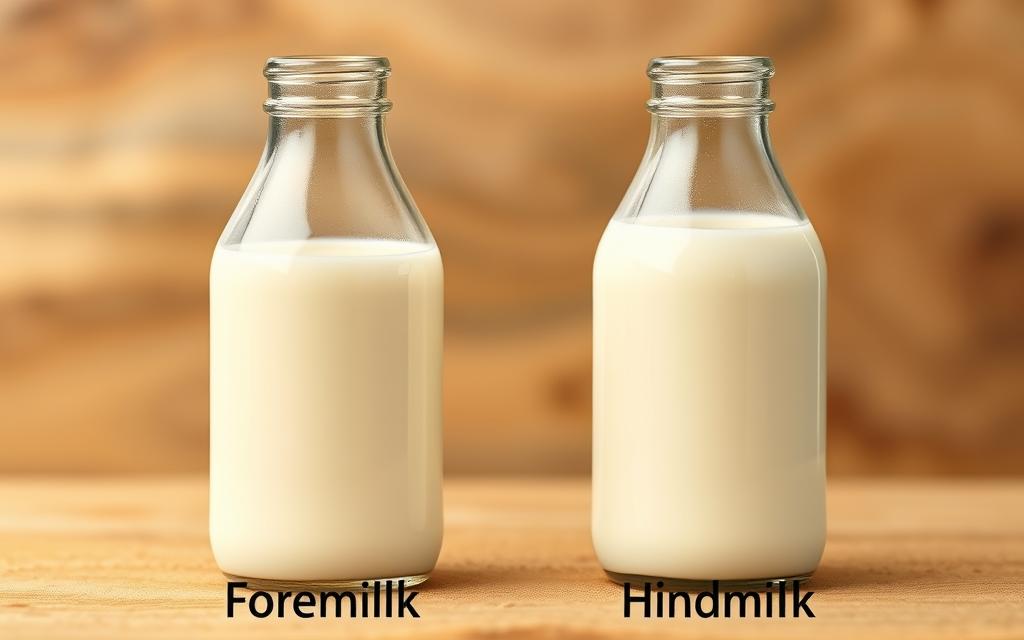
As a new mom, it’s key to know about foremilk vs. hindmilk for your baby’s nutrition. Breastfeeding offers many benefits, and understanding these two types of milk is vital. It helps ensure your baby gets the nutrients they need.
Foremilk and hindmilk are important for your baby’s diet. Knowing their unique qualities can boost your confidence in breastfeeding. By focusing on the benefits of breastfeeding and the role of foremilk vs. hindmilk, you can give your baby the best nutrition for growth.
Key Takeaways
- Foremilk and hindmilk are two types of milk produced during breastfeeding, each with unique characteristics and benefits for baby nutrition.
- Understanding the difference between foremilk vs. hindmilk can help you ensure your baby is getting the nutrients they need.
- Breastfeeding benefits are numerous, and knowing how to make the most of foremilk and hindmilk can enhance your breastfeeding experience.
- Foremilk vs. hindmilk is an important topic for new mothers to understand, as it can impact baby nutrition and overall health.
- By recognizing the importance of foremilk vs. hindmilk, you can provide your baby with the best possible start in life.
Understanding the Basics of Breast Milk Composition
Feeding infants with breast milk is the best choice. It’s a mix of proteins, fats, carbs, vitamins, and minerals. This mix changes during feeding to meet a baby’s needs for growth.
The main parts of breast milk are water, carbohydrates, proteins, and fats. These parts work together to help a baby grow and develop. For instance, carbs give energy, and proteins help build tissues.
Nutrient Balance in Breast Milk
A balanced breast milk is key for a baby’s health. It contains important nutrients like:
- Water: keeps the baby hydrated
- Carbohydrates: gives energy
- Proteins: builds and repairs tissues
- Fats: supports brain growth
Key Considerations for Feeding Infants
When feeding infants, consider these important points:
- How often to feed
- How long to feed
- When the baby is full
Understanding breast milk and following a feeding guide helps mothers give their babies a great start. Every baby is different. Always consult a healthcare professional for the best feeding plan.
Foremilk vs. Hindmilk: Essential Differences
Understanding the difference between foremilk and hindmilk is key in breastfeeding. Foremilk is the first milk in a feeding session, while hindmilk is the richer, fattier milk that comes later. This topic is often discussed by new mothers, as it affects milk supply.
To keep a healthy milk supply, it’s important to ensure your baby gets both foremilk and hindmilk. Let your baby feed on one breast until it’s empty before switching to the other. This helps regulate milk supply and ensures your baby gets the nutrients they need.
Remember, every mother’s milk supply is unique. What works for one may not work for another. But knowing about foremilk and hindmilk can help you regulate your supply. With practice and patience, you can master breastfeeding and give your baby the nutrients they need to grow.
Here are some important points about foremilk vs. hindmilk:
- Foremilk is richer in water and protein
- Hindmilk is richer in fat and calories
- A balance of both foremilk and hindmilk is essential for baby’s nutrition
- Milk supply regulation is key for a healthy milk supply
The Science Behind Milk Production and Release
Knowing how your body makes milk is key for good breastfeeding. It’s a mix of hormones, nerves, and blood vessels. Getting the right lactation advice is important for a healthy milk supply for your baby.
Milk production changes with hormones, which start the let-down reflex. This reflex happens when your baby sucks, making the milk flow. To help the let-down reflex, find a comfy and relaxed position while breastfeeding. This lets your body naturally meet your baby’s needs.
Some important things that affect milk production include:
- Hormonal balance: Hormones like prolactin and oxytocin are key for milk making and release.
- Feeding often: Regular feeding keeps the milk supply healthy.
- Right latching: A proper latch is important for good milk removal and comfort.
By knowing the science of milk production and release, mothers can improve their breastfeeding skills. This helps them give their babies the nutrients they need to grow strong.
Benefits of Hindmilk for Your Baby’s Development
Hindmilk is key for baby nutrition. It gives your baby the nutrients and energy they need to grow. As a mom, you might wonder how to make sure your baby gets enough hindmilk. The answer is simple: hindmilk is full of fat and calories, perfect for your baby’s needs.
Understanding the benefits of hindmilk is important for your baby’s growth. Here are some key advantages:
- Rich in fat and calories for energy and growth
- High in nutrients like protein, vitamins, and minerals
- Supports healthy weight gain and development
To get hindmilk into your baby’s diet, follow a good breastfeeding routine. As your baby nurses, the hindmilk will flow, giving them the nutrients they need. Also, a balanced diet for you is key to producing high-quality infant nutrition.
By focusing on baby nutrition and making smart choices about breastfeeding, you support your baby’s growth and health. Every baby is different, so always talk to your healthcare provider if you have any concerns.
Signs Your Baby Is Getting the Right Balance
As a mother, it’s key to know when your baby is getting the right mix of milk. This mix is vital for your baby’s growth and health. It’s one of the main benefits of breastfeeding.
A happy and relaxed baby is a sign they’re getting enough milk. You’ll also see them gaining weight well and having regular bowel movements. These signs mean your baby is getting the nutrients they need from your milk.

Physical Indicators During Feeding
- Proper latching and sucking
- Swallowing and gulping sounds
- Relaxed body language
Baby’s Growth and Satisfaction Signals
- Weight gain
- Regular bowel movements
- Contentedness after feeding
Common Imbalance Symptoms
- Gas and bloating
- Colic and fussiness
- Difficulty latching or sucking
By watching for these signs, you can make sure your baby gets the right milk mix. This is key for their growth and health. Plus, breastfeeding is good for you too, strengthening your bond and promoting a healthy lifestyle.
Optimizing Your Breastfeeding Technique
As a new mom, learning breastfeeding techniques is key. It helps you get a good latch and manage milk supply. With the right lactation advice, you can tackle common issues and give your baby the nutrients they need.
To improve your breastfeeding, try these tips:
- Make sure your baby has a good latch by placing them right and supporting their head and back
- Keep milk supply in check by feeding often and expressing milk when it’s needed
- If you face any discomfort or breastfeeding problems, get professional help
By following these tips and getting lactation advice when you need it, you can create a successful breastfeeding routine. This will give your baby the best start in life. Always stay relaxed and patient, as breastfeeding techniques take time to master.
Common Myths About Foremilk and Hindmilk
Many mothers are confused about Foremilk vs. Hindmilk. It’s key to know the difference for the best baby nutrition. Foremilk is not just water; it’s full of proteins, vitamins, and antibodies vital for baby’s growth.
Some think mothers can pick what their babies get. But, the mix of foremilk and hindmilk depends on how often and long babies nurse.
Debunking Popular Misconceptions
- Foremilk is not inferior to hindmilk
- Hindmilk is not the only source of nutrition for babies
- Mothers cannot control the amount of foremilk and hindmilk their babies receive
What Research Actually Shows
Research says the foremilk to hindmilk ratio isn’t as big a deal as thought. What matters most is that babies get enough milk for nutrition and hydration. Knowing the truth about Foremilk vs. Hindmilk and baby nutrition helps mothers make better choices for their breastfeeding journey.
Addressing Foremilk-Hindmilk Imbalance
As a breastfeeding mom, knowing about foremilk-hindmilk imbalance is key. It happens when babies don’t get enough hindmilk, which is full of fat and calories. Instead, they get too much foremilk, which has more water. To avoid this, it’s important to manage milk supply regulation and make sure the baby is latched right.
To stop foremilk-hindmilk imbalance, let the baby finish one breast before switching. This ensures they get a mix of both. Also, try expressing a bit of milk before feeding. This helps remove foremilk and lets hindmilk flow better. The breastfeeding benefits of balanced milk are huge, and with the right methods, babies can do great.
- Frequent feeding sessions
- Gas and bloating in the baby
- Loose, green stools
- Weight gain issues
If you think your baby has foremilk-hindmilk imbalance, get help from a lactation consultant or doctor. They can spot the problem and guide you. This way, your baby gets all the good from breastfeeding and a well-managed milk supply.
Tips for Maintaining Healthy Milk Supply
As a new mom, keeping your milk supply healthy is key for your baby’s growth. It’s important to use good breastfeeding techniques and get help from lactation advice experts when you need it. Eating right, drinking enough water, and feeding your baby on a regular schedule can help keep milk flowing.
Here are some important tips for a healthy milk supply:
- Feed your baby often to keep milk coming
- Try to avoid stress and get enough sleep for better lactation
- Drink lots of water and eat healthy foods to help make milk
It’s also good to know about common issues like changes in milk supply. Knowing how to handle these can give moms the help and advice they need. By following these tips and getting lactation advice when needed, moms can keep a healthy milk supply. This ensures their babies get the nutrients they need for growth and development.
By focusing on breastfeeding techniques and getting lactation advice from experts, moms can ensure a steady milk supply for their babies. Remember, every mom’s journey is different. Be patient and flexible with breastfeeding and lactation.
Conclusion: Nurturing Your Baby with Balanced Nutrition
The difference between foremilk and hindmilk is key for your baby’s best nutrition and development. Knowing what each type of breast milk offers helps you give your baby the right mix of nutrients. This supports their growth and health.
Breastfeeding is a journey, and every baby is different. Be kind to yourself and your baby as you figure out the best feeding technique. This will help keep a healthy milk supply and meet your child’s hunger needs. With the right steps, you can give your baby the balanced nutrition they need to grow strong.
Keep going on this special journey of parenthood. Trust your instincts, ask for help when you need it, and always put your baby’s health and happiness first. By giving your baby the right mix of foremilk and hindmilk, you’re helping them start life on a strong note.