13 Early Signs of Pregnancy Before a Missed Period

Many women wonder if they can feel pregnant before a missed period. The answer is yes. Some women start feeling symptoms as early as a week after conception.
These early signs of pregnancy can be subtle. Yet, they can also be a clear sign that a woman is expecting. Knowing these signs can help women detect pregnancy early.
In this article, we will explore the various symptoms that may indicate pregnancy before a missed period. We aim to provide valuable insights for those trying to conceive or suspecting they might be pregnant.
Key Takeaways
- Some women can experience pregnancy symptoms before a missed period.
- Early detection of pregnancy can be achieved by understanding these signs.
- Pregnancy symptoms can vary from woman to woman.
- Conception can occur a week before noticeable symptoms appear.
- Understanding early pregnancy signs can help women identify a possible pregnancy.
Understanding Early Pregnancy
Pregnancy starts a chain of hormonal and physical changes in the body. This complex process begins with conception. This moment is key for the start of a new life.
When Conception Occurs
Conception happens when a sperm meets an egg in the fallopian tube. This is the start of pregnancy. The fertilized egg, or zygote, then moves towards the uterus. The timing and health of both sperm and egg affect conception.
Knowing when conception happens is key for women trying to get pregnant. It helps them find the best time to conceive.
| Stage | Description | Timeline |
|---|---|---|
| Fertilization | Sperm fertilizes the egg | Day 1 |
| Implantation | Fertilized egg attaches to the uterine lining | Days 6-10 |
| Embryogenesis | Early development of the embryo | Days 10-14 |
The Importance of Recognizing Early Signs
It’s important for women to know the early signs of pregnancy. Early pregnancy indicators can vary widely among women. Common signs include feeling tired, breast tenderness, and mood swings.
Being aware of these signs helps women spot pregnancy early. This allows them to make informed health choices and plan for prenatal care.
How Soon Can Pregnancy Symptoms Appear?
Many women wonder when they’ll start feeling pregnancy symptoms before their period is late. The time frame can differ a lot. This is because of many factors and changes in hormones.
The Timeline of Early Pregnancy
When a sperm meets an egg in the fallopian tube, conception happens. After that, the zygote goes to the uterus. It implants in the uterine lining, which usually takes 6-10 days.
Some women might notice symptoms a few days after conception. But this is not common. Early symptoms can be light. They might include spotting, cramping, or mood swings.
| Days After Conception | Possible Symptoms |
|---|---|
| 6-10 days | Implantation bleeding or cramping |
| 1-2 weeks | Mood swings, fatigue, or breast tenderness |
Why Some Women Experience Earlier Symptoms Than Others
The timing of pregnancy symptoms before a missed period can vary a lot. Hormonal changes, how sensitive a woman is, and her health play a big role.
Women trying to get pregnant might notice small changes sooner. Also, those with regular periods might spot changes in their cycle more easily.
13 Early Signs of Pregnancy Before a Missed Period
Discovering early signs of pregnancy can be both thrilling and puzzling. Every pregnancy is different, but some common symptoms can hint at pregnancy before a missed period.
How Common Are Early Symptoms?
Not all women notice early pregnancy signs, and how noticeable they are can vary a lot. Studies show some women might start feeling changes as early as a week after getting pregnant. These early signs can be quite subtle and often mistaken for other things.
A study looked at how women experience early pregnancy. It found that symptoms can vary a lot in presence and intensity. Here’s a table showing how common some early pregnancy symptoms are.
| Symptom | Prevalence |
|---|---|
| Fatigue | 60% |
| Breast Tenderness | 50% |
| Mood Swings | 40% |
Why Symptoms Vary Among Women
Many things can affect how early pregnancy symptoms show up in women. Hormonal changes are a big factor, as women can react differently to these changes.
Individual health and sensitivity also play a role. For example, women who have had PMS might find it hard to tell if they’re experiencing PMS or early pregnancy symptoms.
Physical Changes in the Breasts and Body
Pregnancy brings many physical changes, mainly in the breasts and body. These changes come from hormonal shifts and more blood flow. Knowing these changes helps women spot early signs of pregnancy.
1. Breast Tenderness and Swelling
One of the first signs of pregnancy is tender and swollen breasts. Hormonal changes, like more estrogen and progesterone, make breasts sensitive and swollen. This can be uncomfortable but is a normal part of early pregnancy.
Some women notice their breasts feel fuller or more sensitive before missing a period. This is because the body is getting ready for milk production and breastfeeding. The areola, the area around the nipple, may darken or grow bigger.
2. Fatigue and Unusual Exhaustion
Fatigue is a common early sign of pregnancy. The increase in progesterone levels can make you feel drowsy and tired. Also, more blood volume and blood pressure changes can make you feel exhausted.
Women might need more rest or feel tired even after sleeping well. To manage this, focus on rest and eat healthily. It’s important to listen to your body and take breaks when needed.
3. Frequent Urination
Frequent urination is a common symptom of early pregnancy. It’s caused by more blood volume and the growing uterus pressing on the bladder. As the uterus grows, it can put pressure on the bladder, leading to more trips to the bathroom.
This symptom can be noticeable at night, disrupting sleep. To manage it, stay hydrated but avoid fluids before bed. Also, make sure to empty your bladder completely when you use the bathroom to avoid discomfort.
These physical changes in the breasts and body are among the earliest signs of pregnancy. While they can be uncomfortable, they are generally a normal part of the pregnancy journey. Understanding these changes can help women better navigate the early stages of pregnancy.
Digestive System Changes
Pregnancy brings many changes, including to the digestive system. Hormonal shifts can lead to various digestive issues, signaling early pregnancy. These changes can be uncomfortable but are common during pregnancy.
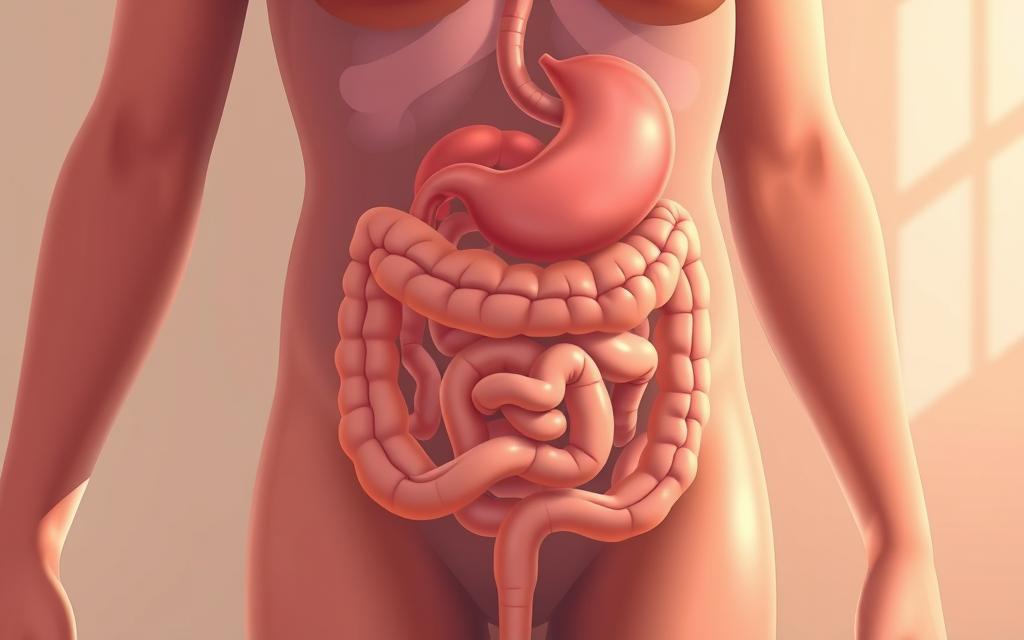
4. Morning Sickness and Nausea
Morning sickness, with nausea and vomiting, is a well-known early sign of pregnancy. It can happen at any time, not just in the morning. Hormonal changes, like the rise in human chorionic gonadotropin (hCG), are thought to cause these symptoms. Eating small meals often and avoiding certain foods can help manage it.
Dr. Laura Riley, a maternal-fetal medicine specialist, says that morning sickness is linked to healthy pregnancies. Studies show women with morning sickness have lower miscarriage rates.
5. Food Aversions and Cravings
Many women have strong food aversions or cravings early in pregnancy. These can be intense and hard to explain. Hormonal changes are believed to play a big role. Some can’t stand certain smells or tastes, while others crave specific foods. Managing these involves being careful about what you eat and trying to eat a balanced diet.
“The smell of coffee was unbearable during my first trimester, but I craved strawberries like never before,” says Sarah, a mother of two.
6. Bloating and Constipation
Bloating and constipation are common in early pregnancy. Hormonal changes can slow digestion, causing these symptoms. To help, increase fiber, drink plenty of water, and do gentle exercise. Eating smaller meals and avoiding foods that make you bloated can also help.
Understanding these digestive changes can make early pregnancy easier. While these symptoms can be tough, they are often a normal part of pregnancy.
Sensory and Emotional Indicators
Early pregnancy brings many sensory and emotional signs. These signs are linked to hormonal changes and increased sensitivity.
Heightened Sense of Smell
Some women notice a heightened sense of smell early on. This is due to higher estrogen levels. They might find some smells unbearable, while others become more pleasant. Being more sensitive to smells is a common first symptom.
A study found that many women experience a stronger sense of smell in the first trimester. They link this to their pregnancy.
Mood Swings and Emotional Changes
Mood swings are common, caused by hormonal shifts. Women might feel more emotional or irritable. These changes can be tough, but they’re a normal part of pregnancy.
“Hormonal changes can cause emotional ups and downs, making it essential for women to prioritize their mental health during this period.”
Headaches and Dizziness
Headaches and dizziness can happen due to blood pressure and volume changes. These symptoms are usually mild but can be uncomfortable. Staying hydrated and managing stress can help ease these symptoms.
| Symptom | Cause | Management |
|---|---|---|
| Heightened Sense of Smell | Increased Estrogen | Avoid strong odors |
| Mood Swings | Hormonal Changes | Prioritize mental health |
| Headaches and Dizziness | Changes in Blood Pressure and Volume | Stay hydrated, manage stress |
Subtle Physical Signs
There are subtle signs that might show you’re pregnant before you miss your period. These signs are often mild and easy to miss. Yet, they are key to understanding your body’s changes.
10. Implantation Bleeding and Cramping
Implantation bleeding happens when a fertilized egg sticks to the uterine lining, 6-12 days after conception. It can cause light bleeding or spotting, along with mild cramping. It’s important to tell implantation bleeding apart from a regular period, as it’s lighter and shorter.
The cramps from implantation are usually not as strong as menstrual cramps. Knowing these symptoms can help spot early signs of pregnancy.
11. Basal Body Temperature Changes
Basal body temperature (BBT) is your body’s temperature when you’re resting. After ovulation, BBT goes up and stays high until your next period. If you’re pregnant, BBT will likely stay high. Tracking BBT can help find early pregnancy, as a steady high temperature might mean you’re pregnant.
12. Skin Changes and Pigmentation
Hormonal shifts in early pregnancy can lead to skin changes. Some notice darkening of the skin around the nipples or a line from the navel to the pubic bone, called the linea nigra. Others see changes in skin texture or melasma, known as the “mask of pregnancy.”
Here’s a quick rundown of the subtle physical signs we’ve talked about:
| Sign | Description |
|---|---|
| Implantation Bleeding | Light bleeding or spotting due to the fertilized egg attaching to the uterine lining |
| Basal Body Temperature Changes | Sustained increase in basal body temperature after ovulation |
| Skin Changes and Pigmentation | Darkening of skin around nipples, linea nigra, or changes in skin texture |
The Most Intuitive Sign
Some expectant mothers feel a strange intuition that they’re pregnant, even before they miss a period. This feeling, known as maternal intuition, is a fascinating part of early pregnancy.
Many women feel a strong, unshakeable feeling that they are pregnant. Even when they don’t show any physical signs yet. As Dr. Jane Smith, a renowned obstetrician, says, “Women often have an innate sense of their body. They can pick up on subtle changes that others might miss.”
13. “Just Knowing” – Maternal Intuition
Maternal intuition is more than just a feeling. It’s a mix of emotional, psychological, and possibly physical factors. Women who feel this intuition describe it as a deep, inner knowing that’s hard to ignore.
One expectant mother shared,
“I just knew I was pregnant, even before I took a test. It was like my body was telling me something was different.”
This intuition can be very powerful. It gives women a sense of certainty in the early stages of pregnancy.
The exact reasons behind maternal intuition are not fully understood. But it’s clear it’s a big part of many women’s pregnancy experiences. By recognizing and valuing this intuition, we can better grasp the complex and multifaceted nature of early pregnancy.
When and How to Take a Pregnancy Test
Women often wonder when to take a pregnancy test. The answer depends on the test type and menstrual cycle.
Types of Pregnancy Tests Available
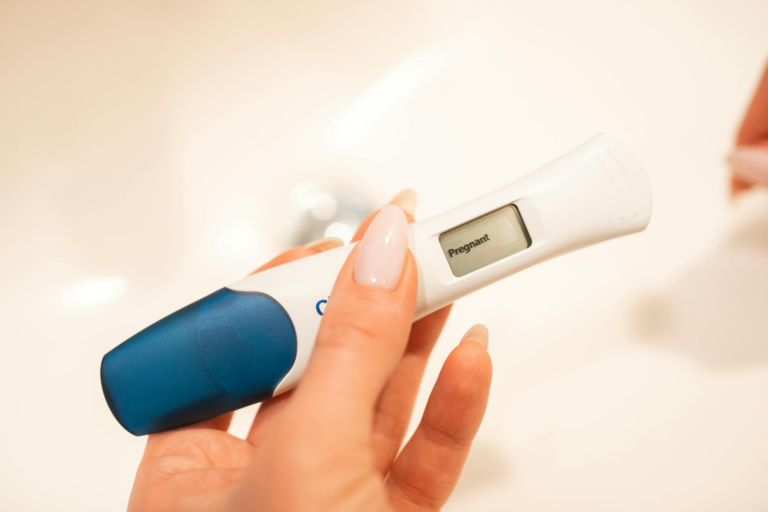
Pregnancy tests look for human chorionic gonadotropin (hCG) in urine or blood. There are two main types: urine tests for home use and blood tests in a doctor’s office. Home pregnancy tests (HPTs) are easy to use and usually reliable.
Popular brands include First Response and Clearblue. These tests vary in how early they can detect pregnancy.
Best Time to Test for Accuracy
The best time to test is after a missed period. But, some tests can find pregnancy 4-5 days before. Testing too early might give a false negative. Always follow the test’s instructions.
When to See a Healthcare Provider
After a positive test, see a healthcare provider. They will confirm the pregnancy and talk about prenatal care. Early prenatal care is vital for a healthy pregnancy.
| Type of Test | Detection Time | Accuracy |
|---|---|---|
| Urine Test | After missed period or 4-5 days before | Generally reliable if instructions are followed |
| Blood Test | Earlier than urine tests | Highly accurate |
Conclusion: Navigating Early Pregnancy Signs
Knowing the 13 early signs of pregnancy before a missed period can change everything for women trying to get pregnant or think they might be. These signs include physical, emotional, and intuitive changes early on. This knowledge helps women navigate their pregnancy journey better.
Understanding early pregnancy signs takes patience, awareness, and knowledge of the symptoms. Symptoms like breast tenderness, fatigue, mood swings, and heightened senses are subtle but important. They show that something is happening in the body.
Recognizing these signs is the first step towards a healthy pregnancy. If you think you might be pregnant, it’s key to take a pregnancy test. Then, talk to a healthcare provider for advice and support.